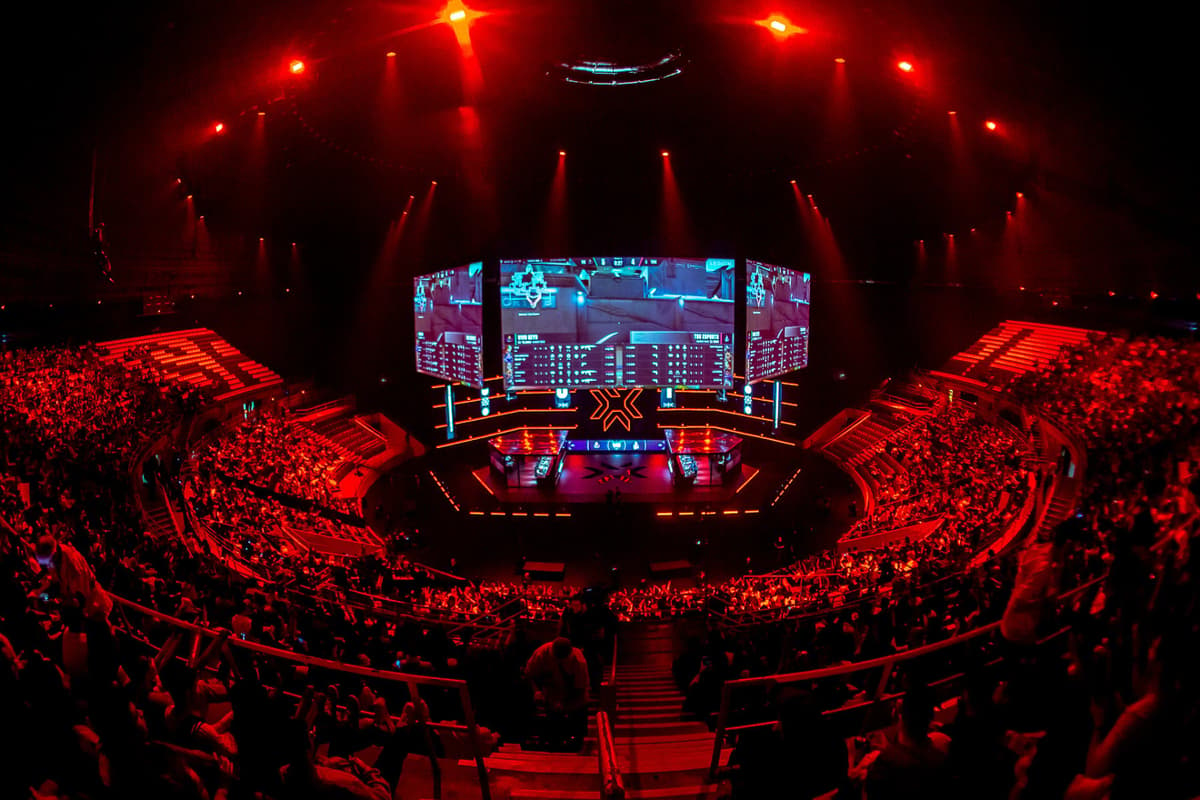
From a Pillar Model to a Cohesive Approach: Why Riot Games Merged Publishing and Esports
Why It Matters
The shift signals that major game publishers are prioritizing ecosystem synergies over isolated esports profitability, reshaping revenue models and advertiser strategies across the industry.
Key Takeaways
- •Riot merged publishing and esports into “PubSports” division.
- •Esports now seen as marketing driver, not profit center.
- •Post‑event players increase play time 25% and sustain 10% lift.
- •Half of Valorant players buy esports‑themed items after viewing events.
- •Sponsorship revenue rebounds, targeting young, hard‑to‑reach audience.
Pulse Analysis
Riot Games’ decision to collapse its publishing and esports arms into a single PubSports unit reflects a broader industry trend toward holistic ecosystem management. The former pillar model kept departments siloed, limiting cross‑functional insight. By uniting content creation, distribution, and competitive play under one roof, Riot can align product roadmaps with live‑event narratives, ensuring that game updates and esports storylines reinforce each other. This structural realignment also streamlines decision‑making, allowing the company to react faster to market shifts and audience preferences.
From a financial perspective, Riot is redefining the role of esports from a profit‑center to a growth catalyst for its core games. Data shared at the GamesBeat Summit showed that player activity spikes 25% in the weeks following major tournaments, with a lingering 10% uplift that translates into higher in‑game spend. Nearly 40% of League of Legends players and half of Valorant users reported purchasing digital items only after seeing them featured in esports broadcasts, underscoring the channel’s influence on consumer behavior. In 2023, Riot distributed over $100 million in digital‑item revenue to Valorant teams, reinforcing the symbiotic relationship between competitive scenes and monetization.
The revamped strategy also revitalizes sponsorship opportunities. As traditional advertising struggles to reach Gen‑Z gamers, esports offers a concentrated, engaged audience that brands find attractive. Riot noted a substantial rebound in sponsorship deals, driven by the platform’s ability to showcase non‑endemic products to a youthful demographic. This resurgence suggests that other publishers may follow suit, integrating esports more tightly with their broader business models to unlock new revenue streams and deepen player loyalty.
From a pillar model to a cohesive approach: Why Riot Games merged publishing and esports
Comments
Want to join the conversation?
Loading comments...