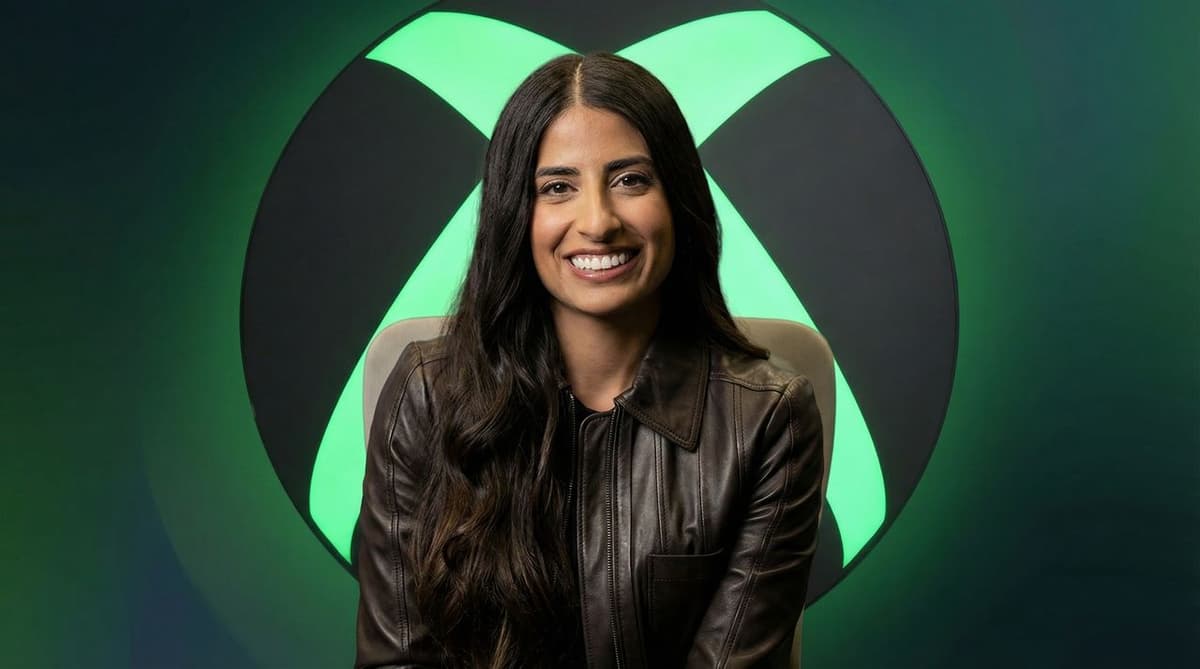
From Our Conversations with Xbox Leadership: A Firm Stand Against AI‑generated Junk — "We're Committed to Art Made by People"
•February 24, 2026
0
Why It Matters
The policy safeguards creative integrity while still permitting productivity gains, setting a benchmark for ethical AI use in the gaming industry. It reassures developers and consumers that human artistry remains central to Xbox titles.
Key Takeaways
- •New Xbox head previously led Microsoft CoreAI
- •She vows no AI‑generated junk in games
- •Developers can use AI tools voluntarily, no mandates
- •AI seen as assistive, not replacement for creativity
- •Ethical guidelines aim to preserve human‑made art
Pulse Analysis
The appointment of Asha Sharma, a former CoreAI leader, signals Microsoft’s intent to blend cutting‑edge technology with traditional game craftsmanship. Sharma’s background gives her credibility to navigate the fine line between leveraging AI for efficiency and protecting the artistic soul of Xbox titles. By publicly rejecting "AI slop," she positions the brand as a guardian of quality, reassuring both creators and fans that the console’s future will not be dominated by generic, algorithm‑driven content.
In practice, Microsoft’s new policy grants developers autonomy: they may employ AI for code debugging, asset optimization, or workflow automation, but no top‑down mandates dictate its use. This mirrors past technology adoptions—photoshop, motion capture—where tools enhanced productivity without supplanting human creativity. By framing AI as a supportive utility, Xbox aims to avoid the pitfalls of derivative or low‑effort outputs that could erode consumer trust. The clear ethical guidelines also help mitigate regulatory scrutiny as governments worldwide grapple with AI’s role in media.
Industry observers see this stance as a potential template for other publishers wrestling with AI integration. Allowing optional AI adoption could accelerate development cycles and lower costs, while the firm commitment to human‑made art preserves brand equity. As AI models become more sophisticated, the pressure to monetize them will grow, but Xbox’s approach balances innovation with artistic integrity, likely influencing market expectations and shaping the next wave of game development standards.
From our conversations with Xbox leadership: a firm stand against AI‑generated junk — "we're committed to art made by people"
0
Comments
Want to join the conversation?
Loading comments...