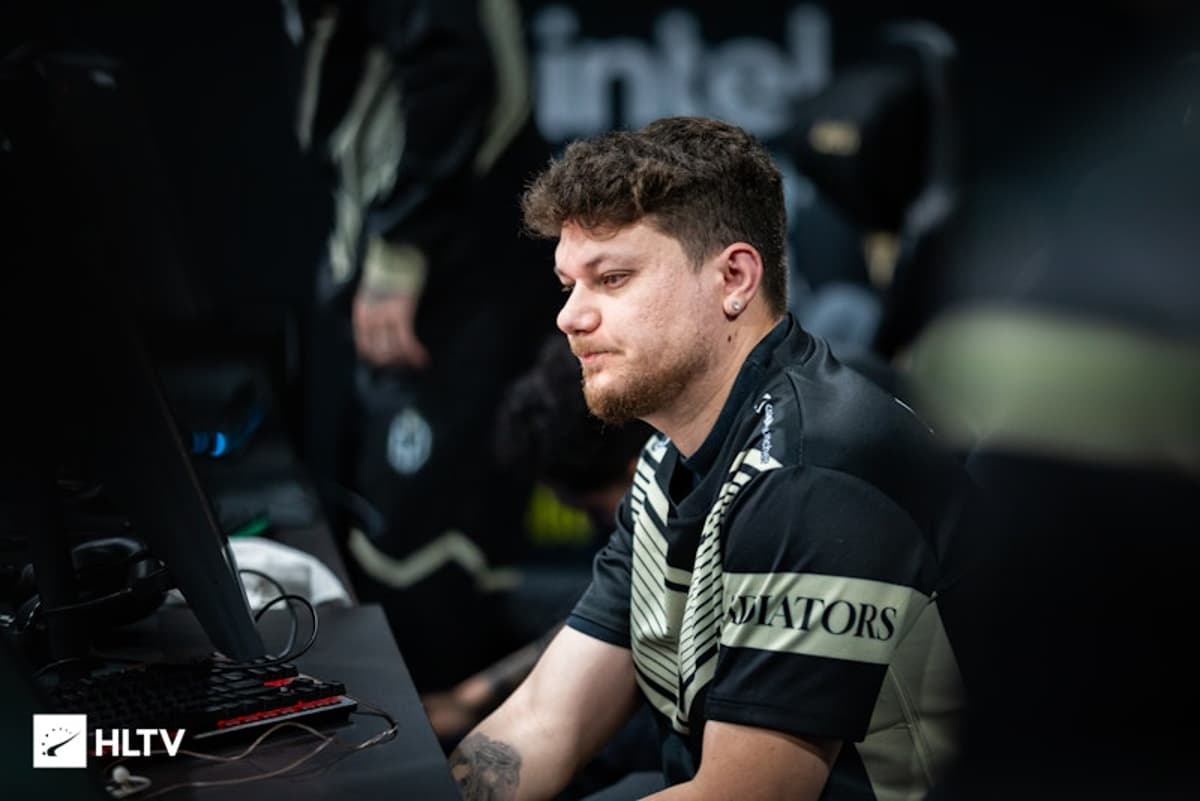
Gaimin Gladiators Bench Squad "in Light of Changes to the Major Revenue Structure"
Companies Mentioned

Valve
Why It Matters
The roster overhaul highlights how shrinking Major prize pools and revised revenue sharing force esports orgs to cut costs and rethink competitive strategies, signaling broader financial pressure across the industry.
Key Takeaways
- •GG benches core trio after Cologne Major loss
- •New Valve revenue model gives last place only 0.72% sticker share
- •Team's 23.5% round win rate contributed to poor performance
- •Roster changes aim to cut costs amid shrinking tournament payouts
- •GG plans to rebuild around Counter‑Strike 2 project
Pulse Analysis
Valve's recent overhaul of the Counter‑Strike Major revenue structure has dramatically reduced the financial upside for lower‑placing teams. By allocating only 0.72% of sticker sales to the last‑place finisher, the new model shrinks the cash pool that once helped sustain mid‑tier organizations. This shift forces teams to scrutinize operating costs, especially salaries and coaching staff, as the margin between competitive success and fiscal viability narrows.
Gaimin Gladiators exemplify the immediate impact of these changes. At the Cologne Major, the squad—then the tournament's oldest—failed to win a single map, posting a 0‑3 record and a meager 23.5% round‑win rate. The resulting payout was a fraction of prior years, prompting the org to bench its remaining core players—NEKIZ, HEN1, and Luken—and release recent additions. By trimming the roster, GG aims to lower payroll obligations while reallocating resources toward its Counter‑Strike 2 project, hoping to capture future revenue streams before the next Major.
The broader esports ecosystem is watching closely. As tournament organizers and game publishers experiment with payout formulas, organizations must balance competitive ambition with financial prudence. Frequent roster churn may become commonplace, and teams will likely prioritize versatile talent that can adapt to evolving game versions. For investors and sponsors, understanding these dynamics is crucial; sustainable growth will depend on aligning competitive performance with the evolving economics of esports events.
Gaimin Gladiators bench squad "in light of changes to the Major revenue structure"
Comments
Want to join the conversation?
Loading comments...