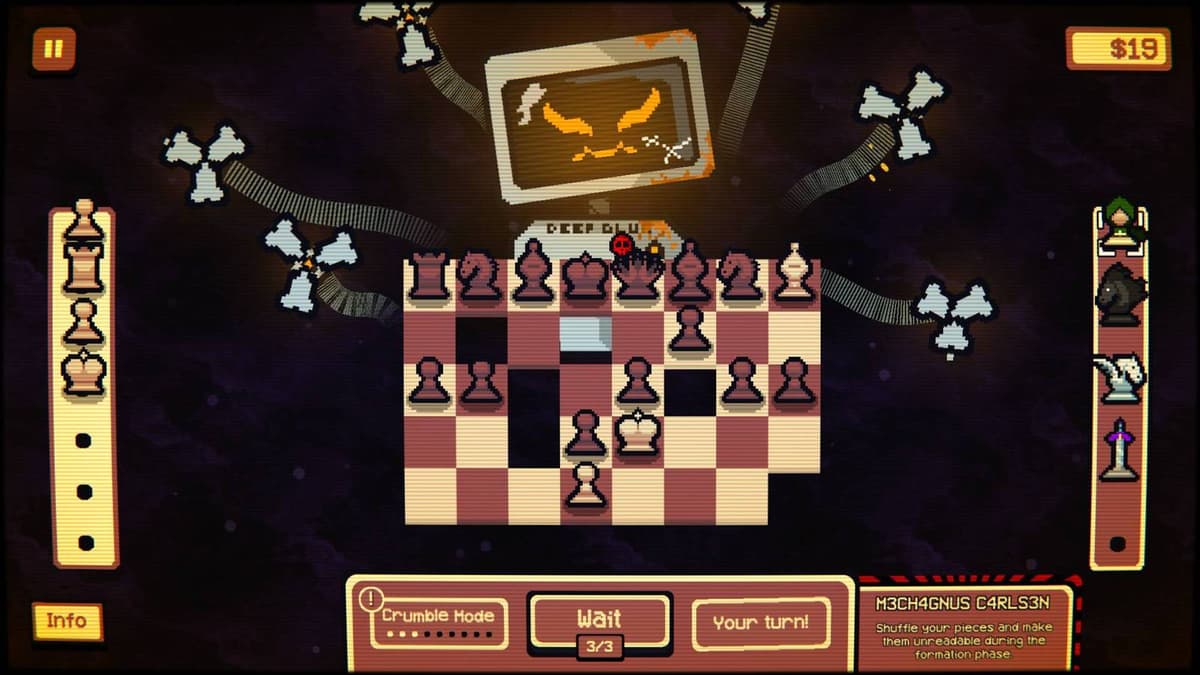
Gambonanza Is the Most Underappreciated Game of 2026 (so Far)
Why It Matters
Gambonanza demonstrates how constrained design—using familiar chess rules—can unlock fresh gameplay, highlighting indie studios’ ability to innovate within niche markets. Its modest yet engaged audience shows demand for hybrid experiences that blend classic strategy with roguelike randomness.
Key Takeaways
- •Gambonanza blends chess mechanics with roguelike randomness
- •Players equip modifiers, creating unpredictable piece synergies
- •Launch peaked at 2,000 concurrent players, now ~270 daily
- •Developer plans balance updates after AI behavior feedback
Pulse Analysis
Gambonanza’s core appeal lies in its clever use of constraints. By anchoring the experience to the universally understood rules of chess, developer Paul Giovannini sidestepped the steep learning curve typical of new indie titles. The familiar board and piece movements give players an instant foothold, while the introduction of jokers, gambits, and tile effects forces them to rethink strategy on the fly. This design philosophy mirrors the success of titles like Balatro, where a simple foundation supports deep, emergent gameplay.
From a market perspective, Gambonanza’s launch metrics illustrate the challenges indie games face in breaking through the crowded Steam ecosystem. The title attracted over 2,000 concurrent players during its debut—a respectable figure for a solo‑dev project—but settled into a daily peak of roughly 270 users. Steam Next Fest exposure helped generate buzz, yet sustained growth will likely depend on post‑launch support, community engagement, and word‑of‑mouth referrals. The recent 1.2.0 patch, which tweaks AI aggressiveness and defensive tendencies, reflects the developer’s responsiveness to player feedback and a willingness to fine‑tune the experience.
Looking ahead, Gambonanza signals a broader trend of genre hybridization in the indie sector. Combining classic board‑game mechanics with procedural roguelike elements creates a fresh niche that can attract both strategy purists and casual gamers seeking replayability. As more developers experiment with familiar frameworks—chess, Go, or even card games—the industry may see a surge in titles that leverage existing knowledge bases to lower entry barriers while delivering innovative twists. For investors and publishers, Gambonanza offers a case study in how modest budgets, focused design, and iterative updates can carve out a sustainable audience in a competitive market.
Gambonanza is the most underappreciated game of 2026 (so far)
Comments
Want to join the conversation?
Loading comments...