Game Engines Were Built for Video Games, but Japan Is Finding More Interesting Things to Do with Them
Why It Matters
By extending game‑engine capabilities into construction, disaster management, and virtual retail, Japanese firms unlock cost‑effective, immersive solutions that can reshape urban planning, public safety, and e‑commerce models.
Key Takeaways
- •Unity and Unreal power ~70% of global game engine market.
- •Taisei uses engines to create digital twins for urban redevelopment.
- •Cluster's platform simulates floods, letting residents flag hazards virtually.
- •Daimaru Matsuzakaya sells 3D kimonos on VRChat, creating new revenue.
- •Metaverse tools enable Japanese firms to address public‑service and retail challenges.
Pulse Analysis
The rise of real‑time 3D engines has blurred the line between entertainment software and enterprise tools. Unity and Unreal Engine, originally built for video games, now offer photorealistic rendering, physics simulation, and cross‑platform deployment that appeal to sectors seeking immersive visualizations. Their market dominance—about 70% of the traditional game‑engine space—means a mature ecosystem of plugins, talent, and support, making them attractive for non‑gaming innovators.
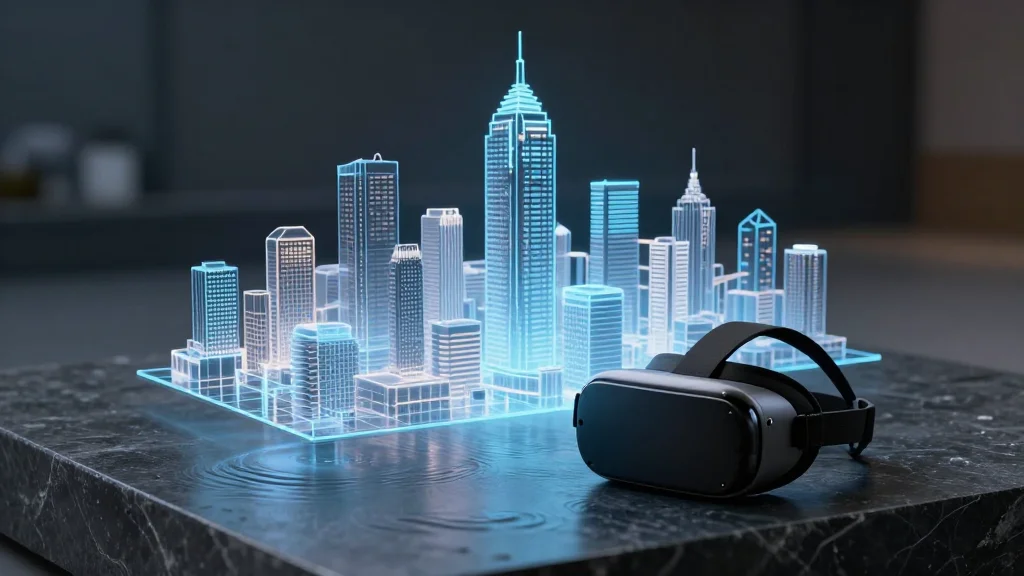
In Japan, construction leader Taisei has turned these engines into digital‑twin workhorses, recreating entire city blocks to test redevelopment concepts before breaking ground. Meanwhile, the startup Cluster applies the same technology to disaster preparedness, allowing residents of flood‑prone cities like Sendai to map hazards in a virtual environment and feed real‑time data to authorities. These use cases demonstrate how game‑engine physics and real‑time rendering can accelerate planning cycles, reduce costly physical mock‑ups, and improve community engagement.
Retail is also feeling the impact. Daimaru Matsuzakaya’s partnership with VRChat lets designers craft 3D kimono avatars that shoppers can try on virtually, creating a novel e‑commerce channel as traditional department‑store foot traffic wanes. The virtual performances and fashion showcases have attracted thousands of viewers, including a notable overseas audience, highlighting the global reach of such metaverse experiences. As Japanese firms continue to experiment, the convergence of gaming tech and business applications is set to drive new revenue streams and operational efficiencies across multiple industries.
Game engines were built for video games, but Japan is finding more interesting things to do with them
Comments
Want to join the conversation?
Loading comments...