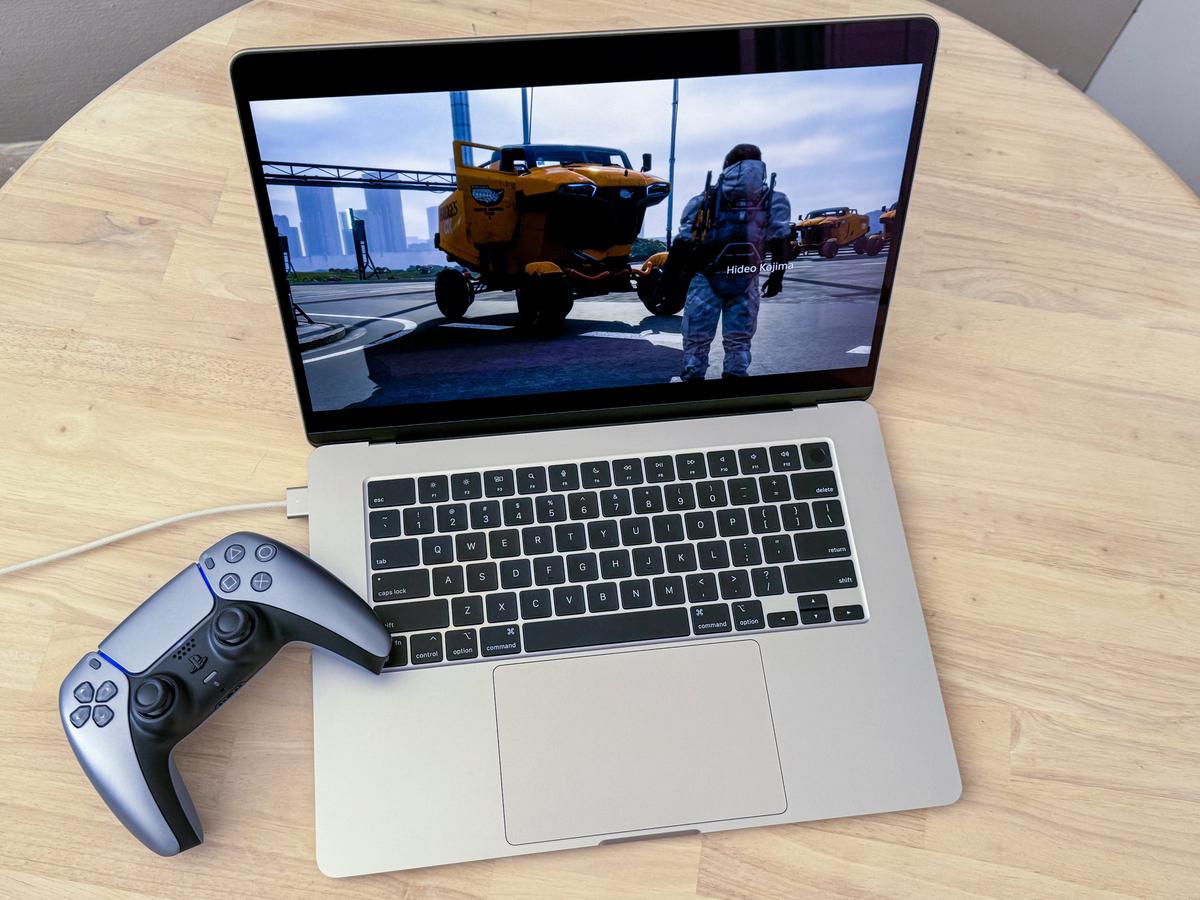
Gamers, Don’t Pass on a Mac for Your Next Computer
Why It Matters
The upgrades close the performance gap between macOS and Windows, expanding the market for high‑end games on Apple hardware and influencing developers’ platform strategies.
Key Takeaways
- •M3 chips add hardware‑accelerated ray tracing, boosting graphics fidelity
- •MetalFX Denoising mirrors Nvidia DLSS, improving frame rates
- •16 GB RAM is minimum; 24 GB recommended for AAA titles
- •Fan‑less Macs struggle with intensive games, limiting performance
- •Macs remain less upgradable than Windows PCs, affecting long‑term value
Pulse Analysis
Apple’s recent hardware and software strides have fundamentally altered the Mac’s gaming narrative. The introduction of the M3 chip in late 2023 brought native hardware‑accelerated ray tracing, a capability previously exclusive to high‑end GPUs. Coupled with macOS Tahoe’s MetalFX Denoising and Frame Interpolation—Apple’s answer to Nvidia’s DLSS—these technologies deliver smoother, higher‑quality visuals without the CPU overhead that plagued earlier Macs. For developers, the unified toolset means they can target macOS alongside Windows without sacrificing performance, prompting a wave of simultaneous releases for blockbuster titles.
Despite the technical gains, the Mac still faces structural disadvantages compared with Windows PCs. The Windows ecosystem boasts a vastly larger game library and the ability to swap or upgrade components such as RAM, SSDs, and occasionally GPUs. Apple’s sealed designs, especially in the MacBook line, limit post‑purchase upgrades to RAM and storage, and the CPU/GPU remain soldered. Consequently, power users who value long‑term configurability may still gravitate toward Windows laptops, even as Macs close the raw performance gap for most AAA games.
For gamers weighing a new machine, the key decision points are performance versus flexibility. Any Mac equipped with an M3 or later chip and at least 24 GB of RAM can comfortably run modern titles, while fan‑less models like the MacBook Air should be reserved for lighter indie games. As developers continue to embrace Apple’s MetalFX suite, the Mac’s relevance in the gaming market is set to rise, offering a compelling, premium‑design alternative for players who prioritize a sleek ecosystem over hardware tinkering.
Gamers, Don’t Pass on a Mac for Your Next Computer
Comments
Want to join the conversation?
Loading comments...