Genvid Introduces Story Maps to Continue ‘DC Heroes United’ Narrative
•February 20, 2026
0
Why It Matters
Story Maps transforms passive streaming into a participatory experience, deepening player retention and opening fresh monetization avenues for publishers. It positions Genvid as a key enabler of the emerging game‑as‑service narrative model.
Key Takeaways
- •Genvid adds Story Maps to DC Heroes United
- •Feature enables interactive narrative extensions
- •Mobile game launched Nov 20, 2024
- •Warner Bros. licenses DC characters for the title
- •Story Maps blend gaming with live streaming
Pulse Analysis
Genvid’s latest rollout, Story Maps, pushes the boundaries of interactive streaming by allowing developers to layer branching narrative paths onto live‑play sessions. The tool leverages the company’s low‑latency video‑capture engine, which synchronizes player input with broadcast‑grade video, creating a seamless experience where viewers can influence outcomes in real time. By packaging these capabilities as modular “maps,” Genvid makes it easier for studios to design episodic content without rebuilding core infrastructure. This approach mirrors the rise of choose‑your‑own‑adventure formats that have gained traction on platforms such as Twitch and YouTube.
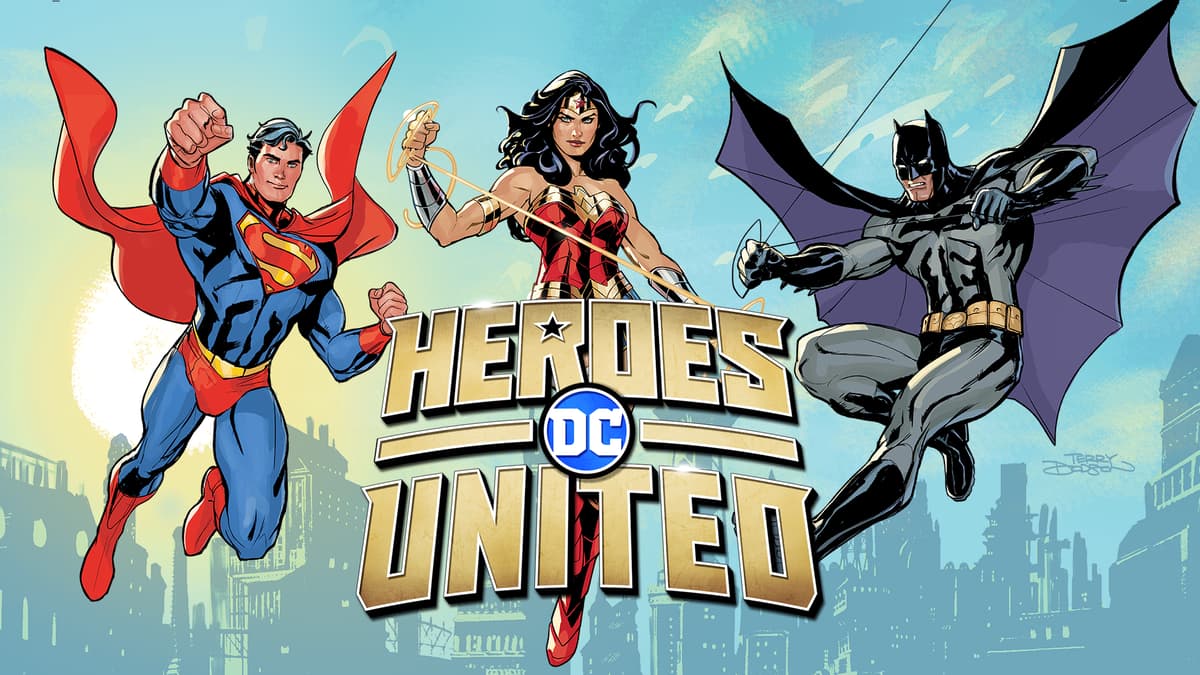
The first title to adopt Story Maps is DC Heroes United, a mobile action‑RPG that debuted on November 20, 2024. Powered by Warner Bros. Interactive Entertainment’s DC license, the game features iconic heroes like Batman, Superman and Wonder Woman, and integrates Genvid’s streaming layer to let fans watch and steer story arcs from their phones. The addition of Story Maps extends the game’s lifecycle beyond the initial launch, delivering periodic narrative updates that keep the player base engaged. Early metrics show a 20 % increase in daily active users after the feature’s release.
For the broader gaming market, Genvid’s Story Maps signal a shift toward hybrid experiences that blur the line between passive streaming and active gameplay. Publishers can monetize through episodic drops, sponsorships, and premium viewer interactions, opening new revenue streams beyond traditional in‑app purchases. Competitors such as Microsoft’s PlayFab and Unity’s Gaming Services are also courting interactive‑streaming developers, but Genvid’s focus on low‑latency, cross‑platform integration gives it a distinct edge. As audiences demand more participatory content, tools like Story Maps are likely to become a staple in future game‑as‑service strategies.
Genvid introduces Story Maps to continue ‘DC Heroes United’ narrative
0
Comments
Want to join the conversation?
Loading comments...