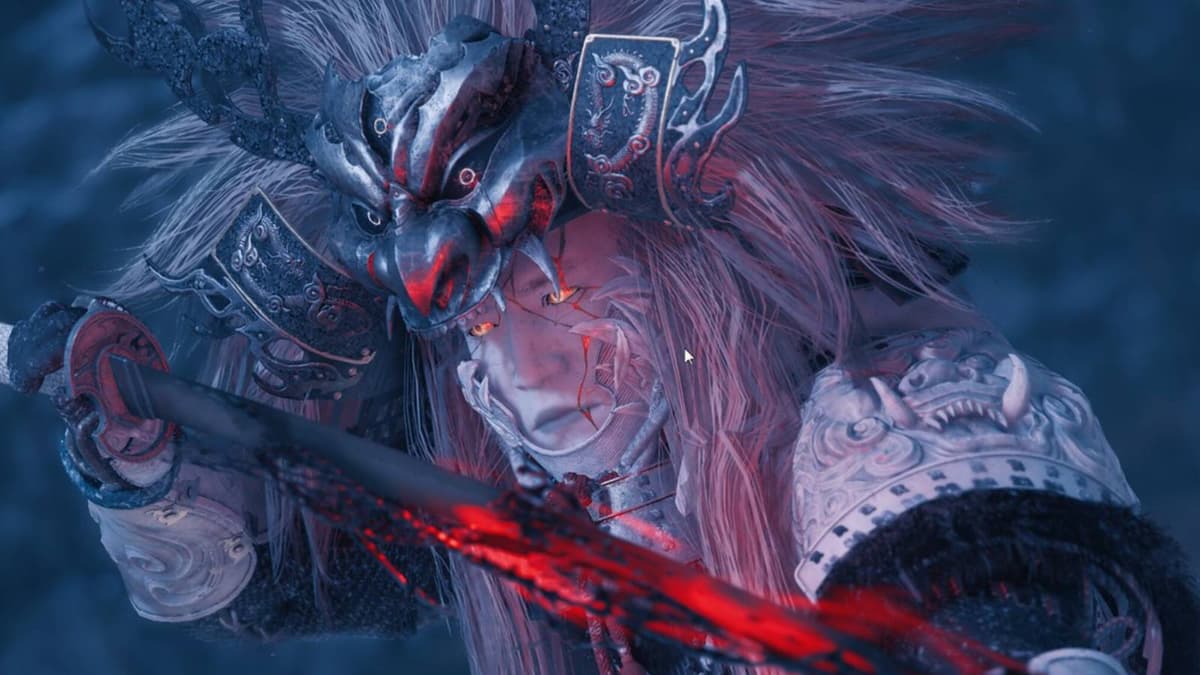
Ghost Of Yotei's Multiplayer Updates Lasted A Tenth As Long As Tsushima's
Companies Mentioned
Why It Matters
The abrupt end to Legends underscores the financial and operational challenges of maintaining live‑service modes, influencing how studios allocate resources and set player expectations.
Key Takeaways
- •Legends launched March 10, last major update in May.
- •Content support lasted ~2 months vs 18 months for Tsushima Legends.
- •Yotei sold 3.3 million copies first month, third‑best PS5 seller 2025.
- •No further multiplayer updates planned; mode now in maintenance.
Pulse Analysis
When Ghost of Yotei: Legends debuted on March 10, expectations were high. Sucker Punch positioned the mode as a supernatural‑rich evolution of the acclaimed Ghost of Tsushima multiplayer, promising deeper raids and a fresh narrative thread. Yet the development team announced in mid‑May that the May Raid update would be the final planned content drop, effectively ending active production after just two months. By comparison, Tsushima: Legends received a steady stream of expansions for over eighteen months, highlighting a stark contraction in the live‑service window for Yotei.
Despite the abrupt multiplayer shutdown, the core game performed strongly. Yotei moved 3.3 million units in its first month, outpacing its predecessor and ranking as the third‑best‑selling PS5 title of 2025. Those numbers reassure Sony that the franchise remains profitable, but they also expose a disconnect between single‑player success and multiplayer sustainability. Maintaining a live‑service mode demands continuous content creation, server costs, and community management; if player engagement plateaus quickly, the return on investment can dwindle, prompting studios to reallocate resources toward new IPs or single‑player expansions.
The rapid sunset of Legends signals a broader industry shift toward shorter, event‑driven live‑service cycles. Developers are learning to balance hype‑driven launches with realistic post‑launch roadmaps, often opting for limited‑time content that drives immediate revenue rather than long‑term upkeep. For Sucker Punch, the experience may inform future multiplayer ambitions, encouraging tighter integration with the single‑player narrative or a modular approach that can be scaled back without jeopardizing the brand. Players, meanwhile, can expect clearer communication about content timelines, reducing the frustration that accompanies sudden mode closures.
Ghost Of Yotei's Multiplayer Updates Lasted A Tenth As Long As Tsushima's
Comments
Want to join the conversation?
Loading comments...