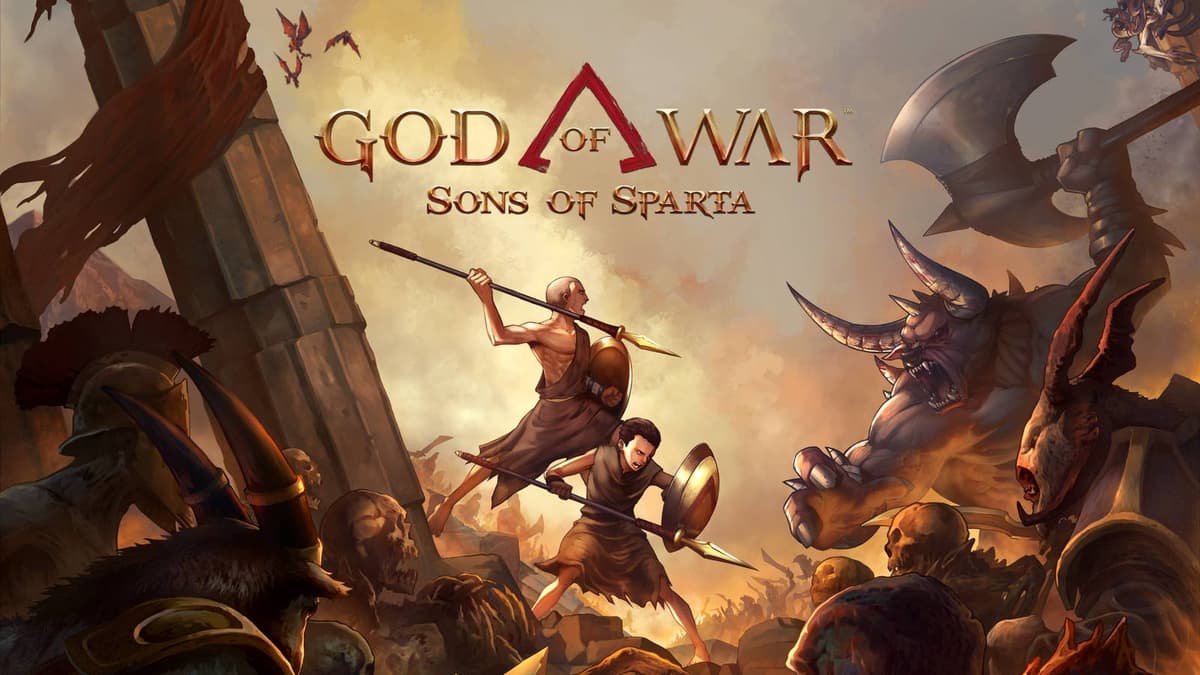
God of War Sons of Sparta Review: A Satisfactory, but Uncompelling, Greek Era Return
•February 23, 2026
0
Companies Mentioned

Why It Matters
The title signals Santa Monica’s intent to revitalize the neglected Greek era and test genre diversification, influencing future franchise direction and fan expectations.
Key Takeaways
- •2‑D Metroidvania revives Greek‑era Kratos story.
- •Pacing drags early, but ending strong.
- •Combat blends Greek and Norse mechanics, lacks signature weight.
- •Exploration offers diverse Greek locations, but upgrades delayed.
- •Serves as bridge before full Trilogy remake.
Pulse Analysis
The God of War franchise has spent the past decade entrenched in Norse mythology, leaving its original Greek era under‑explored and largely absent from modern consoles. By announcing a full Trilogy remake and pairing it with a spin‑off like Sons of Sparta, Santa Monica Studio acknowledges a growing demand from long‑time fans for a deeper dive into Kratos’ origins. This strategic pivot also aligns with the upcoming Amazon TV series, which skips the Greek timeline, creating a cross‑media opportunity to re‑introduce the classic mythos.
Sons of Sparta attempts to translate the series’ hallmark action into a 2‑D Metroidvania framework, a bold genre shift that could attract both God of War devotees and indie‑game enthusiasts. While the game succeeds in delivering a rich tapestry of Greek locales and a nuanced pre‑story, its pacing suffers from delayed ability unlocks and a sluggish early loop. Combat incorporates familiar elements such as Red Orbs and weapon customization, yet the lack of the franchise’s trademark weight and visceral feedback leaves the experience feeling serviceable rather than spectacular.
From a business perspective, partnering with Mega Cat Studios allows Sony to experiment with lower‑budget titles while keeping the God of War brand active between major releases. Positive reception to the narrative and world‑building could bolster anticipation for the forthcoming Trilogy remake, whereas criticism of pacing may inform future design choices. Ultimately, Sons of Sparta acts as a litmus test for genre diversification, signaling how the franchise might evolve to balance nostalgic storytelling with innovative gameplay mechanics.
God of War Sons of Sparta Review: A Satisfactory, but Uncompelling, Greek Era Return
0
Comments
Want to join the conversation?
Loading comments...