
Why It Matters
By updating a beloved but technically dated RPG, the remake taps into the lucrative nostalgia market and sets a benchmark for how legacy titles can be modernized without alienating core fans, potentially driving strong sales and revitalizing the franchise.
Key Takeaways
- •Deeper environmental storytelling adds visual narrative cues
- •New traversal skills enable climbing and swimming exploration
- •Dynamic economy simulates supply‑demand with fluctuating merchant stock
- •Adjustable difficulty broadens appeal while preserving hardcore challenge
- •Expanded crafting, magic, and alchemy deepen survival gameplay
Pulse Analysis
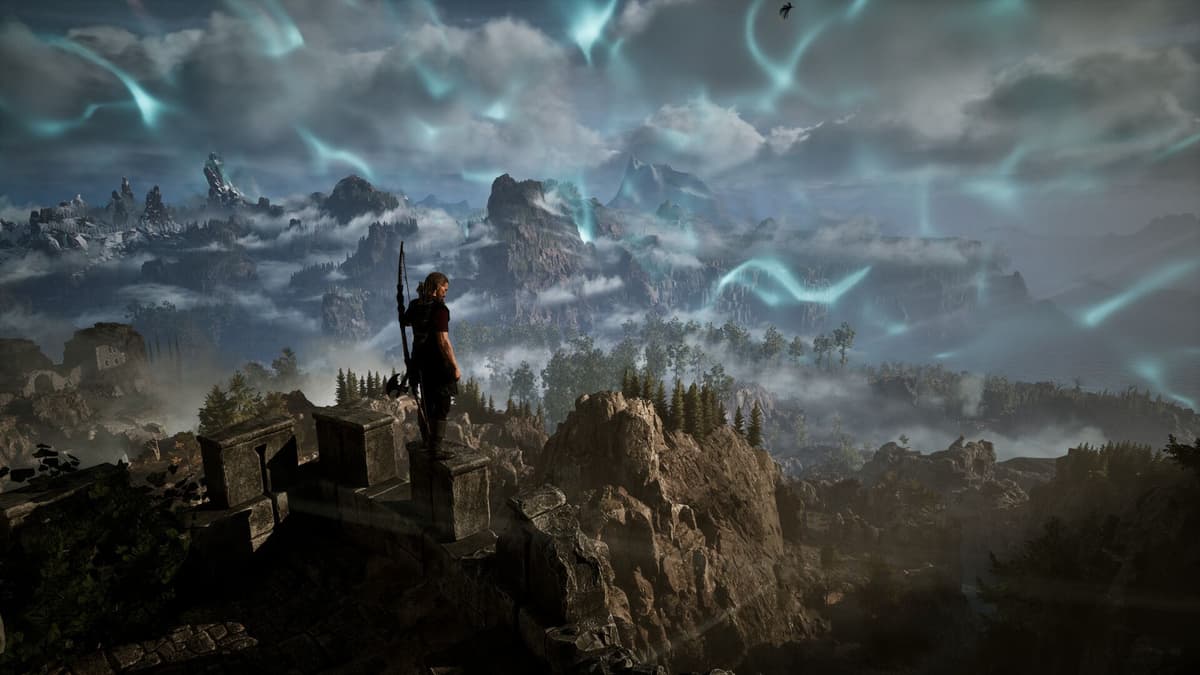
Remakes have become a cornerstone of the video‑game industry, allowing publishers to monetize established IPs while reaching a new generation of players. Gothic 1, a cult classic known for its unforgiving worldbuilding, fits perfectly into this trend. The remake’s visual overhaul—high‑resolution textures, realistic creature models, and spatial audio—addresses the original’s technical constraints, positioning the title alongside contemporary RPGs on platforms like Steam and PlayStation. By preserving the game’s oppressive atmosphere, the developers keep the core identity that long‑time fans cherish, while the polished presentation invites newcomers who might have been deterred by dated graphics.
Beyond aesthetics, the remake introduces substantive gameplay refinements that reshape the player experience. Environmental storytelling now uses visual cues and NPC routines to convey lore, reducing reliance on cryptic text. Expanded traversal mechanics, including climbable surfaces and swimming, turn exploration into a skill‑based activity, rewarding players with hidden loot. A dynamic barter system mirrors real‑world supply‑and‑demand, ensuring markets fluctuate and prices reflect scarcity. Meanwhile, adjustable difficulty settings and a softened early‑game learning curve lower the entry barrier, yet the hardest mode retains the punishing challenge that defines Gothic’s legacy. These changes collectively modernize the title while honoring its roots.
From a business perspective, the Gothic 1 Remake illustrates how strategic reinvention can rejuvenate a dormant franchise. The blend of nostalgia and fresh content is likely to drive pre‑orders and sustained engagement, especially as the RPG market continues to grow. Moreover, the updated voice cast and reimagined soundtrack add premium value, justifying a higher price point and potential DLC expansions. Success could encourage other studios to adopt a similar philosophy—preserving spirit while overhauling systems—thereby shaping the future of classic game remakes.
Gothic Remake – What’s New?
Comments
Want to join the conversation?
Loading comments...