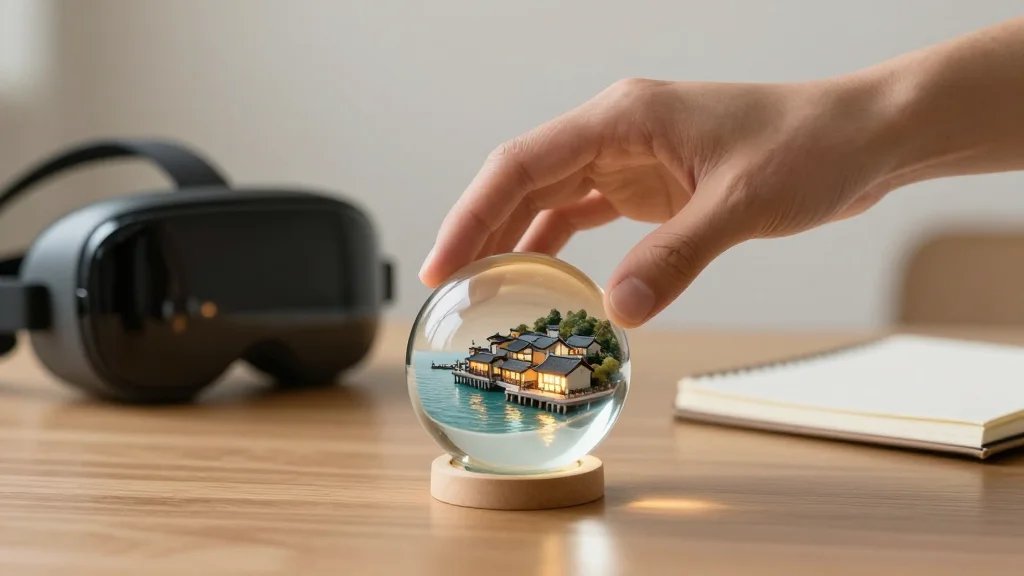
Hajime Tabata Launches Revitalization Project in Shimabara Peninsula with Ryugu Nation Integration
Why It Matters
By blending real‑world geography with a persistent RPG, the project creates a new revenue stream for struggling municipalities while showcasing how gaming can drive economic revitalization. It signals a shift toward location‑based metaverse experiences that monetize cultural heritage.
Key Takeaways
- •Shimabara Geo‑Chronicle merges tourism with a real‑world RPG
- •Local mascots become AI guides in the Ryugu Nation metaverse
- •Children's discoveries become quests, turning natural assets into IP
- •Project targets depopulation in Shimabara, Minami‑Shimabara, and Unzen
Pulse Analysis
Hajime Tabata, known for directing the acclaimed *Final Fantasy* titles, has shifted his creative energy to JP Universe, a venture that blends location‑based storytelling with a persistent metaverse called Ryugu Nation. The newly announced Shimabara Peninsula Geo‑Chronicle Project positions the UNESCO Global Geopark on Kyushu’s Shimabara Peninsula as Japan’s first “Real Adventure RPG.” By overlaying game mechanics onto the volcanic landscape, the initiative invites players to explore real geography while contributing narrative content that feeds directly into the digital world. The initiative also aligns with Japan’s broader push for digital tourism.
The three municipalities—Shimabara, Minami‑Shimabara and Unzen—have faced steady population decline, prompting local officials to seek innovative revitalization tools. Incorporating each city’s mascots—Shimabaran, Captain Beiga and Oyuppy—as AI navigators creates a familiar cultural hook that encourages families and school groups to venture outdoors. As children uncover geological features or folklore, their findings are logged as quests, effectively converting natural heritage into intellectual property that can be monetized through in‑game items, sponsorships, or educational licensing agreements. These digital assets can later be licensed to museums and travel agencies.
From an industry perspective, Tabata’s model illustrates a growing convergence of tourism, education and gaming, echoing trends seen in augmented‑reality experiences worldwide. If the Geo‑Chronicle can generate sustainable foot traffic and a viable revenue stream, it could inspire similar collaborations between developers and regional authorities seeking to combat rural depopulation. However, success will depend on seamless integration of real‑world data, robust AI navigation, and clear pathways for creators to profit from the emergent IP, setting a benchmark for future “real‑world RPG” ventures. Long‑term, the model may reshape how cultural heritage is monetized globally.
Hajime Tabata launches revitalization project in Shimabara Peninsula with Ryugu Nation integration
Comments
Want to join the conversation?
Loading comments...