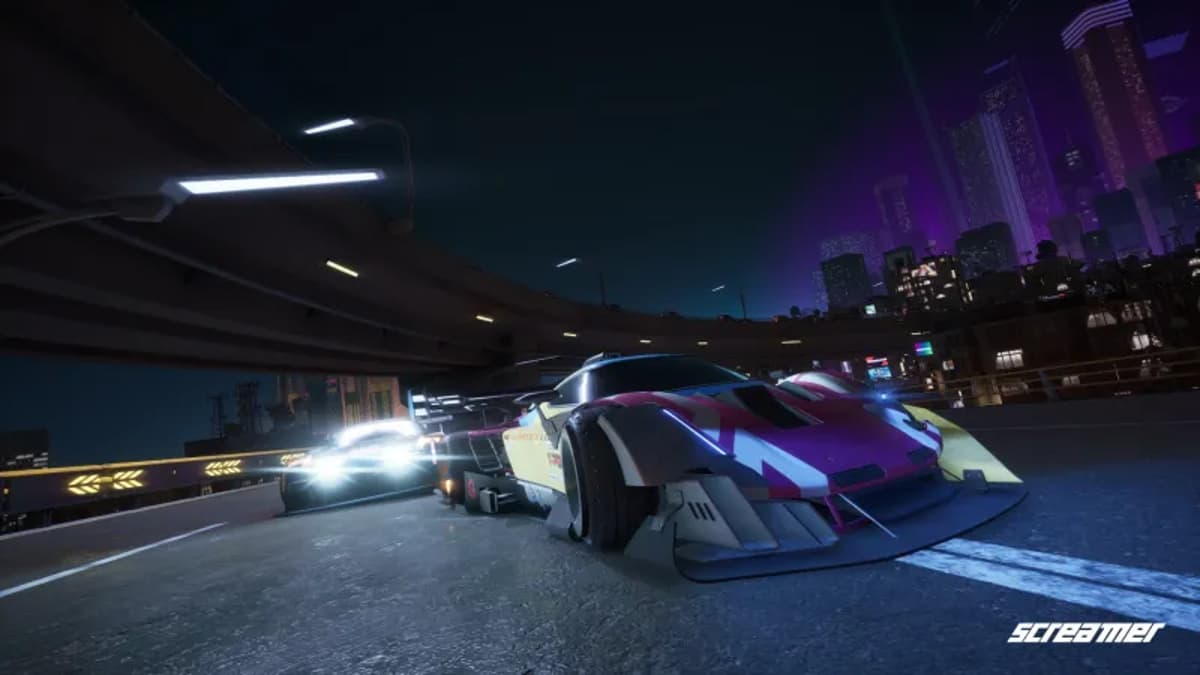
Hands-On With Screamer, An Anime-Inspired Narrative Racer
•February 17, 2026
0
Why It Matters
Screamer demonstrates how narrative integration can revitalize the racing genre, potentially attracting both arcade gamers and anime audiences. Its innovative controls and combat‑driven mechanics may set new standards for future hybrid racers.
Key Takeaways
- •Milestone blends arcade racing with anime narrative
- •Drift controls use right stick for intuitive feel
- •Entropy energy powers boost and attack mechanics
- •Story mode features auto‑translator tech, revenge plot
- •Release set for March 26, 2026 across platforms
Pulse Analysis
Milestone has built a reputation on simulation‑heavy titles like MotoGP and Monster Jam, yet the company is now pivoting toward a more cinematic experience. By embedding an anime‑style revenge storyline within a traditional racing framework, Screamer taps into the growing consumer appetite for genre‑crossing games. This approach mirrors recent successes such as Need for Speed: Heat, where narrative hooks complement high‑octane gameplay, and signals a broader industry shift toward storytelling as a differentiator in crowded console line‑ups.
The gameplay innovations in Screamer aim to refresh arcade racing conventions. A right‑stick drift mechanic replaces the typical button‑press combo, offering a more fluid, analog feel that rewards precision. Meanwhile, the Entropy energy system introduces a layered risk‑reward loop: players can expend energy for a fleeting speed boost that detonates opponents, or conserve it for defensive shields and a powerful Overdrive mode. These mechanics encourage aggressive tactics while maintaining balance, echoing the design philosophies of titles like Burnout and Wipeout but with a modern, controller‑centric twist.
From a market perspective, Screamer’s release timing positions it to capture both the holiday sales window and the spring launch cycle. Its multi‑platform availability ensures broad reach, while the mature rating and anime aesthetic target a niche yet lucrative demographic of gamers seeking narrative depth alongside fast‑paced action. If the final product delivers on its promising hands‑on preview, it could inspire a new sub‑genre of narrative‑driven racers, prompting competitors to explore similar hybrid designs and expanding the overall racing game ecosystem.
Hands-On With Screamer, An Anime-Inspired Narrative Racer
0
Comments
Want to join the conversation?
Loading comments...