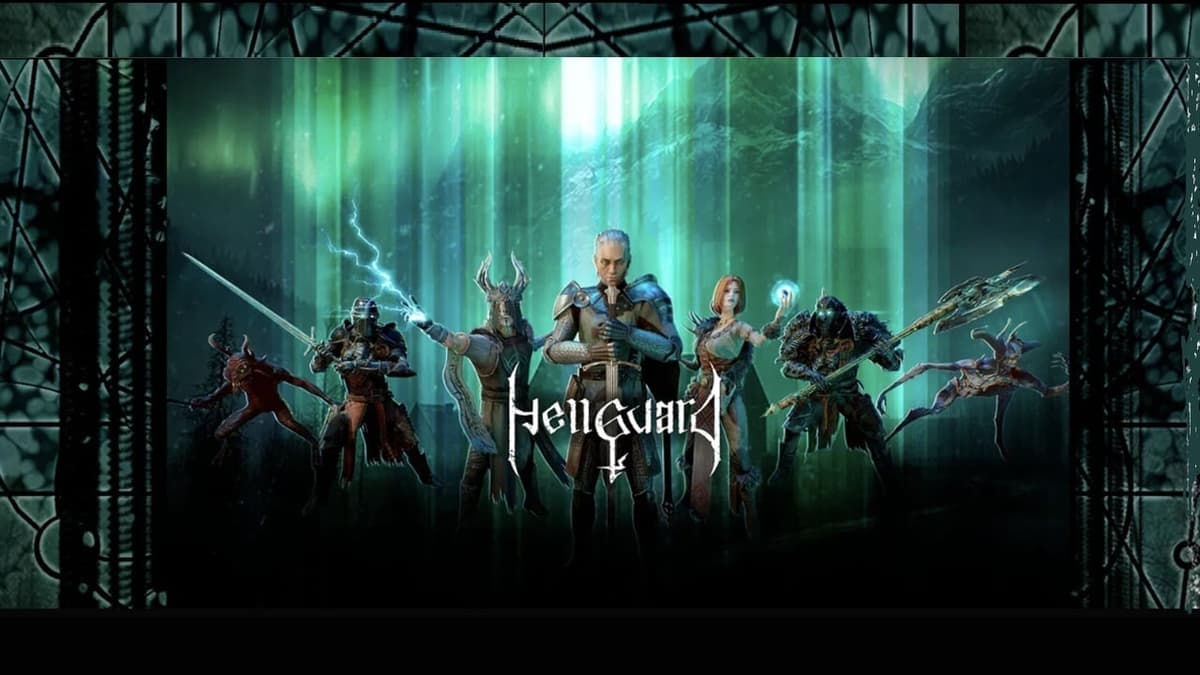
Hellguard Is an Upcoming Dark Action MMORPG for Mobile with Co-Op Raids
•February 25, 2026
0
Why It Matters
The title brings a console‑level, skill‑driven MMORPG experience to mobile, expanding the genre’s reach and setting new expectations for procedural content and co‑op raids on smartphones.
Key Takeaways
- •Five-year development culminates in mobile dark action MMORPG
- •Procedurally generated maps and loot create endless replayability
- •Co‑op raids and PvP arenas emphasize skill over automation
- •Multiple heroes with branching talent trees enable diverse builds
- •Free‑to‑play model with pre‑registration on Google Play
Pulse Analysis
The mobile gaming landscape has seen a surge in high‑budget titles that aim to replicate console experiences, and Hellguard is positioned to ride that wave. Developed by Black Anvil Studio in the United Arab Emirates, the game leverages five years of iterative design to deliver a dark, action‑focused MMORPG tailored for touch interfaces. Its medieval‑inspired setting, complete with failing ancient seals and invading spirits, taps into the growing appetite for narrative‑rich, atmospheric worlds on smartphones, differentiating it from more casual mobile offerings.
Gameplay depth is a core selling point, with procedurally generated environments ensuring each expedition feels fresh. Players can choose from several heroes, each equipped with distinct combat styles and a sprawling talent tree that supports highly customized builds. The randomised dungeon layouts, weather conditions, and time‑of‑day variations keep loot drops and boss encounters unpredictable, encouraging strategic planning over rote grinding. Cooperative raids demand coordinated skill, while arena duels and large‑scale PvP provide competitive outlets, all while deliberately avoiding autoplay shortcuts that could dilute the experience.
From a business perspective, Hellguard’s free‑to‑play model and early pre‑registration campaign aim to capture a broad audience before launch. By offering a premium, skill‑centric experience without upfront cost, the game can monetize through cosmetic items, battle passes, and optional convenience features, aligning with proven mobile revenue strategies. Its emphasis on co‑op content also opens avenues for community building and long‑term player retention, critical factors in the crowded mobile MMORPG market. If execution matches its ambitious design, Hellguard could set a new benchmark for depth and quality in mobile multiplayer RPGs.
Hellguard Is an Upcoming Dark Action MMORPG for Mobile with Co-Op Raids
0
Comments
Want to join the conversation?
Loading comments...