Here's What Cities: Skylines 2’s New Developer Is Updating First
Companies Mentioned
Why It Matters
Improving usability and visual fidelity addresses core community complaints, helping retain and grow the city‑builder’s player base. The changes also signal Paradox’s commitment to sustaining the title without reliance on third‑party mods.
Key Takeaways
- •Iceflake takes over Cities: Skylines 2 development.
- •First patch focuses on UI and visual enhancements.
- •Custom color options added without needing mods.
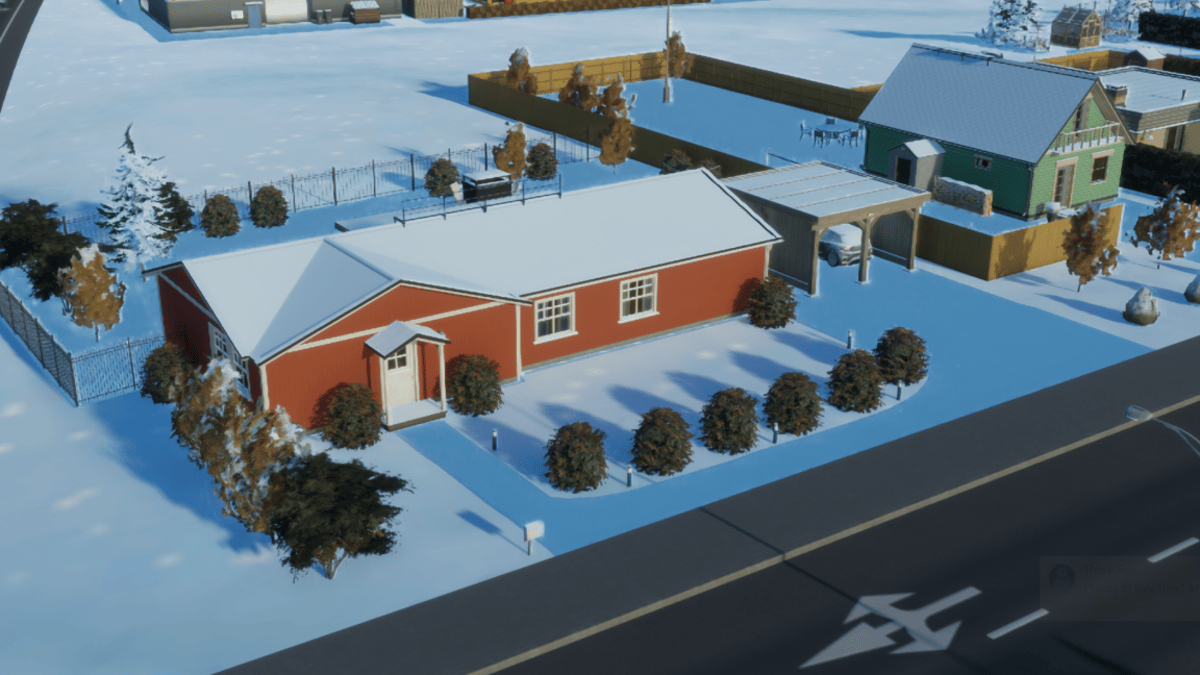
- •Weather system overhaul adds controllable clouds, snow, lighting.
- •Patch slated for late February, pending bug fixes.
Pulse Analysis
The transition of Cities: Skylines 2 to Iceflake marks a rare mid‑lifehand-off for a live‑service title, underscoring Paradox’s willingness to protect its investment by partnering with a studio experienced in post‑launch support. Iceflake’s background on Survival‑type games brings a fresh perspective to the city‑building genre, where user experience often determines long‑term engagement. By prioritizing a more intuitive interface and clearer visual cues, the upcoming patch directly tackles the steep learning curve that has deterred newcomers, potentially expanding the game’s demographic beyond its hardcore fanbase.
User interface refinements are more than cosmetic tweaks; they reshape how players interact with complex simulation tools. A streamlined onboarding process, context‑aware icons, and a color‑coded toolbar aim to reduce friction when establishing new cities, while the promised in‑game Encyclopedia will centralize knowledge that currently lives in scattered community wikis. The addition of native custom‑color options eliminates the need for external mods, empowering creators to personalize skylines instantly and fostering a more vibrant mod‑free ecosystem. These visual upgrades not only enhance aesthetic appeal but also improve accessibility, a critical factor for retaining players in a competitive simulation market.
The weather overhaul introduces granular control over cloud cover, fog, and snowfall, aligning the game’s atmospheric dynamics with real‑world climate patterns. Such realism can deepen immersion and open new strategic layers for city planners, who must now consider seasonal impacts on infrastructure and services. By rolling out these features in a February patch, Iceflake signals a rapid development cadence, reassuring the community that lingering performance issues from the 2023 launch will be addressed. Continued developer diaries promise further mechanical tweaks, suggesting a roadmap that balances visual polish with substantive gameplay improvements, essential for sustaining the franchise’s relevance in the evolving simulation landscape.
Here's what Cities: Skylines 2’s new developer is updating first


Comments
Want to join the conversation?
Loading comments...