Why It Matters
The title showcases how indie developers can innovate core strategy mechanics, setting a new standard for network‑centric tower defense. Its unique blend of aesthetics and persistent progression may influence future genre‑bending games.
Key Takeaways
- •Combines steampunk aesthetics with moving tower defense.
- •Introduces interconnected energy grid affecting weapon functionality.
- •Roguelike structure forces adaptive strategies each mission.
- •Permanent ship upgrades persist across gameplay sessions.
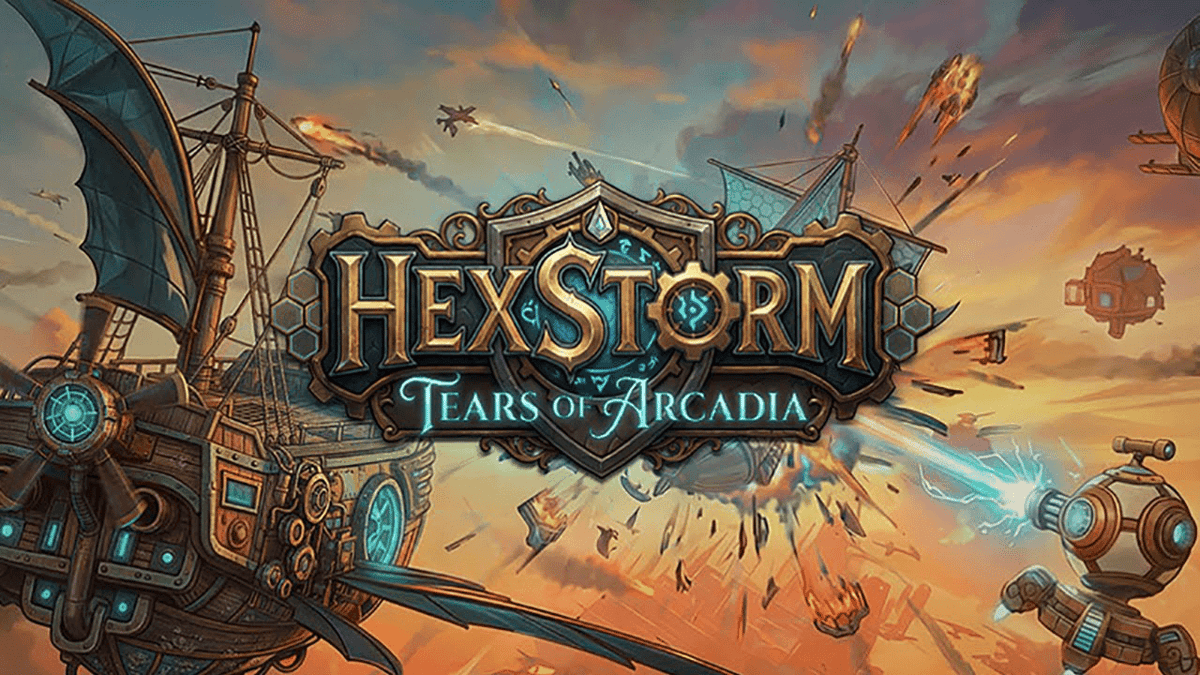
- •Hand‑painted visuals evoke classic RTS atmosphere.
Pulse Analysis
Hexstorm: Tears of Arcadia arrives at a time when indie developers are pushing the boundaries of traditional tower‑defense games. By marrying steampunk art direction with a mobile battlefield, the title differentiates itself from static grid‑based competitors. This hybrid approach appeals to both strategy veterans and players seeking fresh visual storytelling, positioning the game for strong niche traction on platforms like Itch.io. The blend of roguelike progression and persistent ship upgrades also taps into the growing demand for games that reward long‑term investment. Early player feedback highlights the game's steep learning curve, which many view as a rewarding challenge.
The core mechanic revolves around an interconnected energy network that powers every turret and module on the Arcadia frigate. Losing a single node can cascade failures across multiple defenses, forcing players to prioritize network integrity as much as firepower. Adaptive positioning on a moving hexagonal grid adds a layer of spatial reasoning rarely seen in the genre. Combined with dynamic enemy tactics that strike from all directions, each encounter feels like a tactical puzzle, encouraging experimentation with boost modules and temporary upgrades. The system also rewards coordinated team play in co‑op modes, expanding its replayability.
Visually, Hexstorm leans on hand‑painted celestial art that recalls classic real‑time strategy titles while embracing a distinct steampunk vibe. This artistic direction not only enhances immersion but also signals a commitment to high production values uncommon among small‑scale releases. As the indie market continues to reward originality, the game's blend of deep systems and striking aesthetics could inspire future titles to explore network‑centric designs. Success on distribution channels would reinforce the viability of niche, genre‑bending experiences in a crowded digital storefront. Community modders have already begun crafting custom ship skins, further extending its lifespan.
Hexstorm: Tears of Arcadia
0
Comments
Want to join the conversation?
Loading comments...