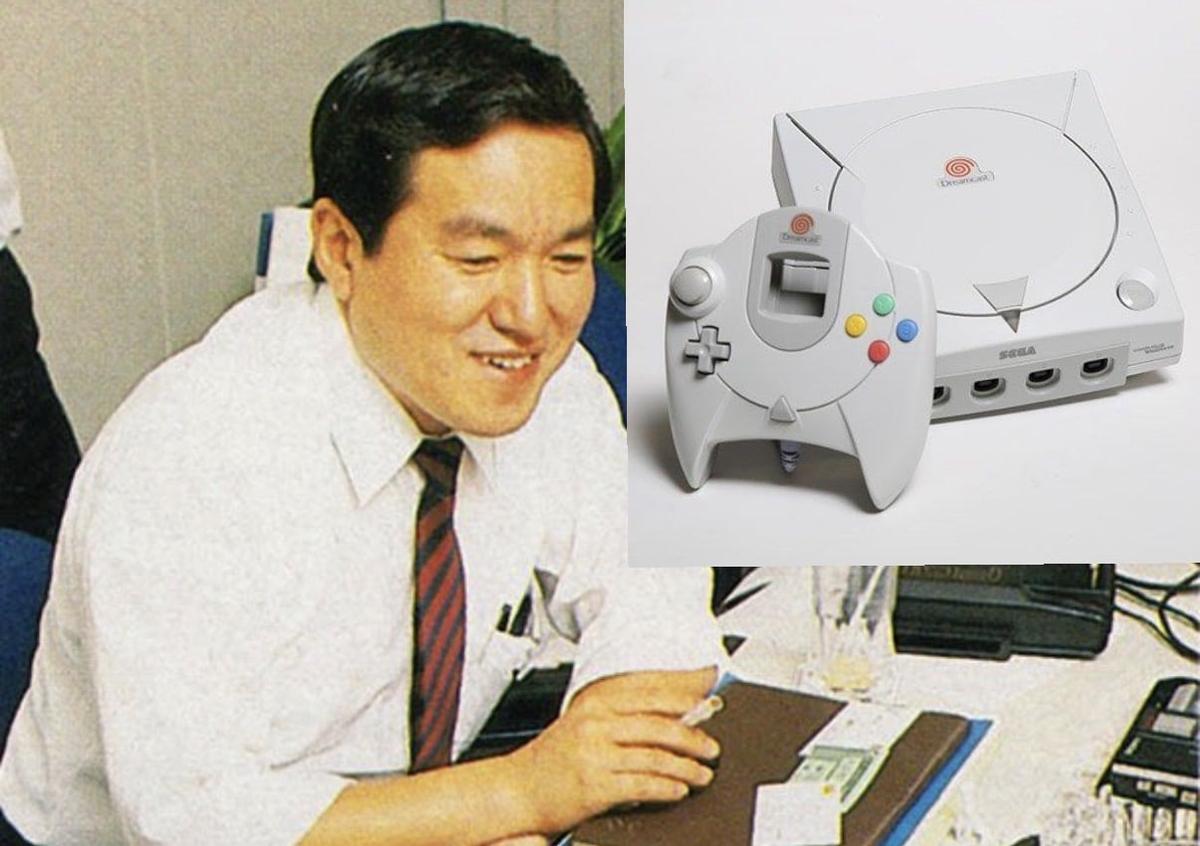
Hideki Sato, Designer of All Sega’s Consoles, Has Died
•February 15, 2026
0
Why It Matters
Sato’s innovations set hardware standards that still influence console design, and his leadership helped Sega become a cultural touchstone in the 1990s gaming boom.
Key Takeaways
- •Designed Sega's Master System, Genesis, Saturn, Dreamcast.
- •Led Sega as president 2001‑2003, left 2008.
- •Emphasized arcade tech influencing home consoles.
- •Dreamcast focused on online play, communication.
- •His legacy shaped modern gaming hardware.
Pulse Analysis
Hideki Sato’s tenure at Sega reads like a timeline of the industry’s most iconic hardware milestones. Starting in the early 1970s, he helped transition Sega from arcade‑only to a full‑fledged console manufacturer, overseeing the SG‑1000 and SC‑3000 before spearheading the 16‑bit Mega Drive. His engineering mindset—leveraging cutting‑edge arcade CPUs for home use—gave Sega a competitive edge during the "bit wars" and cemented the Genesis as a global bestseller. This blend of arcade pedigree and consumer focus became a hallmark of Sega’s design philosophy.
Sato’s later projects, the Saturn and Dreamcast, illustrate his willingness to push technical boundaries despite market pressures. The Saturn’s dual‑CPU architecture attempted to rival Sony’s PlayStation, while the Dreamcast introduced built‑in modem connectivity and VMU linking, foreshadowing today’s online‑first gaming ecosystems. Though the Dreamcast ultimately marked Sega’s exit from hardware, its emphasis on real‑time communication and downloadable content pre‑empted trends that dominate modern consoles and cloud gaming services.
Beyond specific consoles, Sato’s legacy endures in how contemporary developers view hardware integration. His advocacy for borrowing arcade innovations for home platforms resonates in today’s cross‑platform development, where GPU and CPU advancements quickly migrate from high‑end PCs to consoles. Moreover, his focus on player interaction—evident in the Dreamcast’s networking ambitions—mirrors the industry’s current push toward social play and streaming. As the gaming world continues to evolve, Sato’s contributions serve as a blueprint for marrying technical ambition with consumer relevance.
Hideki Sato, designer of all Sega’s consoles, has died
0
Comments
Want to join the conversation?
Loading comments...