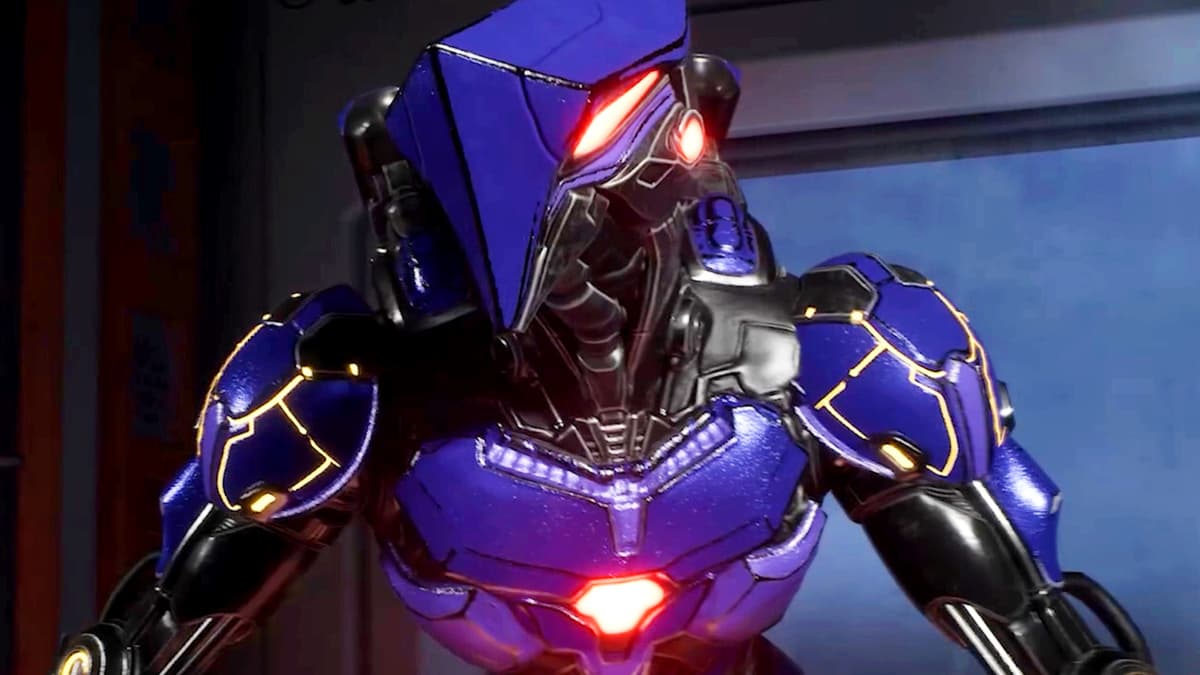
High-Octane FPS Deadzone Rogue Responds to Sudden Sequel Controversy: "DLC Limits How Much We Can Experiment"
Companies Mentioned

Valve
Why It Matters
Choosing a sequel instead of DLC lets Prophecy experiment without fragmenting its co‑op community, potentially boosting long‑term player retention and revenue. This strategy reflects a broader industry shift toward larger, standalone updates for live‑service shooters.
Key Takeaways
- •Deadzone Rogue 1 reached nearly 1 million players
- •Prophecy opts for a sequel to avoid DLC constraints
- •Free demo will launch on Steam before full sequel release
- •Sequel aims to add new characters, mechanics, and story depth
Pulse Analysis
Prophecy Games' decision to forego paid DLC for Deadzone Rogue 2 mirrors a growing trend among indie studios to prioritize full sequels over incremental content drops. By leveraging a rapid, iterative development cycle—similar to the one‑year sprint that took the original from announcement to launch—the studio can gather early feedback through a free demo, refine core mechanics, and avoid the design compromises often forced by DLC monetization. This approach not only accelerates innovation but also aligns with player expectations for fresh, cohesive experiences rather than fragmented add‑ons.
The co‑op nature of Deadzone Rogue makes the DLC debate especially salient. Paid expansions can split player groups, creating a barrier for friends who cannot all afford or choose to purchase the same content. Offering a free demo sidesteps this friction, allowing the entire community to test new features simultaneously and provide unified feedback. Moreover, the promise of optional cosmetic microtransactions in the sequel suggests a balanced revenue model that respects the player base while still generating post‑launch income.
From a market perspective, the move positions Deadzone Rogue 2 to compete with other high‑octane roguelike shooters that have successfully launched standalone sequels, such as Risk of Rain 2 and Hades. By pricing the sequel similarly to the original and delivering substantive gameplay expansions, Prophecy can attract both returning fans and newcomers, potentially expanding its user base beyond the current million. The strategy underscores a broader industry shift: developers are increasingly viewing sequels as a means to deliver meaningful, long‑term value without the pitfalls of DLC‑driven fragmentation.
High-octane FPS Deadzone Rogue responds to sudden sequel controversy: "DLC limits how much we can experiment"
Comments
Want to join the conversation?
Loading comments...