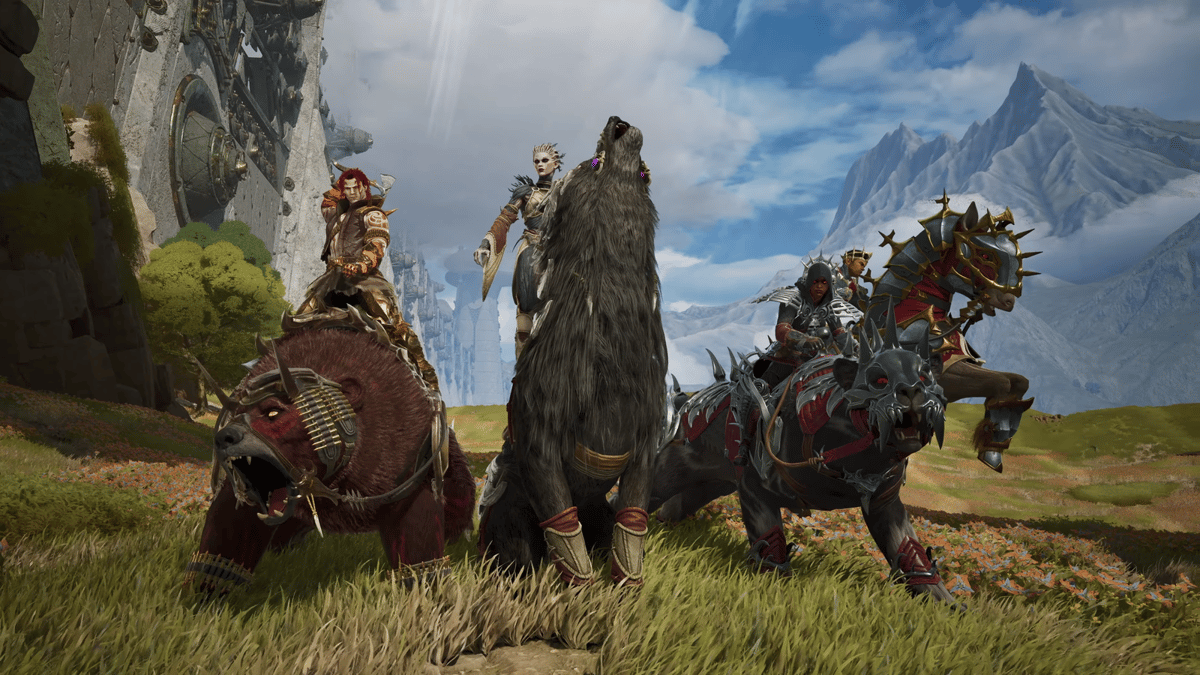
Highguard Is Making Less Money On Steam Than A Single Monster Hunter Outfit
•February 23, 2026
0
Companies Mentioned

Why It Matters
The steep revenue drop signals a potential failure for a high‑budget multiplayer launch, warning investors and developers about market saturation and the importance of post‑launch support. It also reshapes expectations for future hero shooters on PC platforms.
Key Takeaways
- •Highguard ranks ~2,458 on Steam revenue chart.
- •Revenue below 2003 Call of Duty and BioShock Infinite.
- •Only 508 concurrent players, 45% positive reviews.
- •Launch plagued by layoffs and negative perception.
- •Monster Hunter armor out-earning Highguard per item.
Pulse Analysis
The hero‑shooter genre has become increasingly crowded, with big studios betting on live‑service models that promise ongoing revenue. Highguard entered the market with a high‑profile reveal at The Game Awards, yet its generic premise and lack of distinguishing features quickly alienated the core audience. Early negative sentiment amplified by developer layoffs created a feedback loop that stifled community growth, a pattern seen in other recent launches that failed to secure a dedicated player base.
Steam’s revenue charts prioritize actual spend over download numbers, making Highguard’s position especially alarming. Ranking below titles released over a decade ago—such as Call of Duty (2003) and BioShock Infinite—illustrates that even modestly priced legacy games can out‑perform a new, full‑price multiplayer title. With only 508 concurrent players and a sub‑50% positive review rate, the game struggles to convert its limited audience into meaningful microtransaction revenue, a critical lifeline for live‑service titles.
For Wildlight Entertainment, the immediate challenge is to reverse the financial bleed through content updates, pricing adjustments, or strategic partnerships that can re‑engage disillusioned players. Industry observers will watch how the studio reallocates resources, perhaps shifting focus to niche markets or leveraging cross‑platform play to broaden reach. The broader lesson underscores that hype alone cannot sustain a multiplayer launch; sustained community management, clear value propositions, and responsive post‑launch support are essential to avoid becoming another cautionary footnote in the crowded PC gaming ecosystem.
Highguard Is Making Less Money On Steam Than A Single Monster Hunter Outfit
0
Comments
Want to join the conversation?
Loading comments...