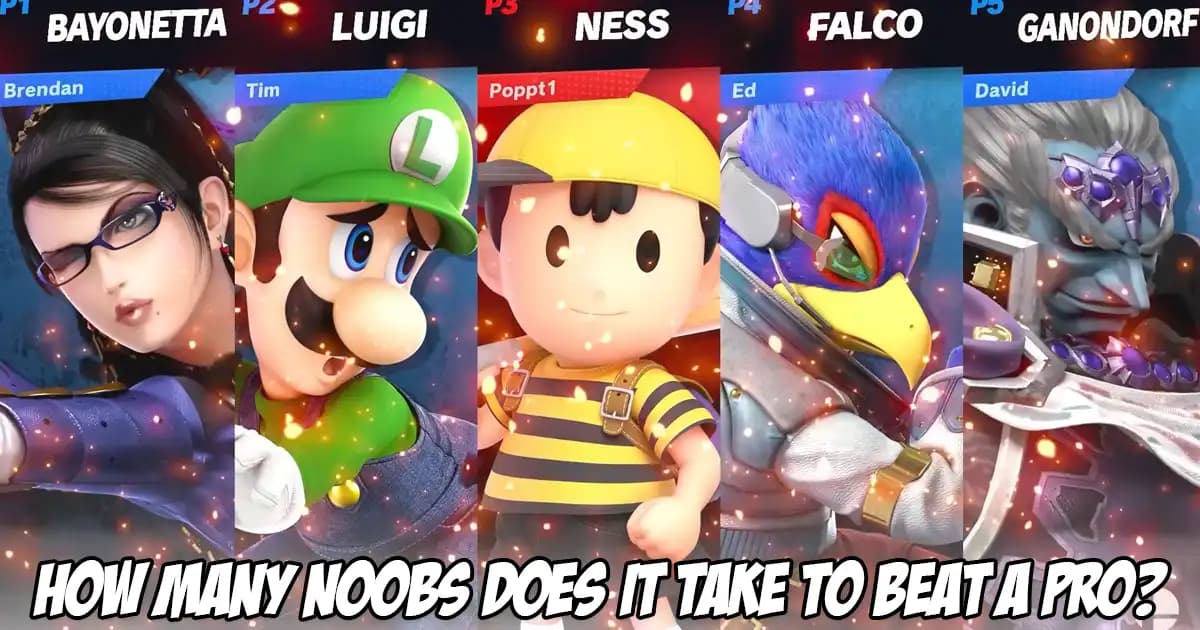
How Many 'Noobs' Does It Take to Take Former Pro Poppt1 Down in Super Smash Bros. Ultimate?
•February 28, 2026
0
Why It Matters
The stunt highlights how former pros leverage creator platforms to engage fans, while illustrating the widening skill gap that can be dramatized for viewership. It underscores the evolving business model of esports where content, not just competition, drives revenue.
Key Takeaways
- •Poppt1 transitioned from pro player to content creator
- •Video pits him against increasing numbers of novice opponents
- •First stock lost when facing four noobs simultaneously
- •Five noobs overwhelmed him, highlighting skill disparity
- •Experiment showcases community interaction and entertainment value
Pulse Analysis
Super Smash Bros. Ultimate remains a cornerstone of the fighting‑game esports ecosystem, with regional circuits like Australia producing talent that can compete on the global stage. Poppt1’s rise from a local underdog to a recognized pro illustrates the pathway many players follow: grassroots tournaments, sponsorships, and eventually a pivot to streaming when competitive peaks wane. His legacy carries weight, making any public test of his abilities a natural draw for both long‑time fans and newcomers seeking insight into high‑level play.
The video’s format—incrementally adding inexperienced opponents—serves a dual purpose. From a gameplay perspective, it quantifies the diminishing returns of skill when faced with numerical superiority, a concept familiar to team‑based shooters but novel in a 1‑vs‑N fighting context. From a content standpoint, each added opponent creates a narrative crescendo, encouraging viewers to stay for the climax. This approach mirrors broader trends where creators craft “challenge” series to boost watch time, subscriber growth, and platform algorithms, turning personal skill tests into monetizable entertainment.
For the broader esports community, Poppt1’s experiment signals a shift toward hybrid content that blurs competition and spectacle. Brands can sponsor similar formats, leveraging the authenticity of a former pro while tapping into the viral potential of underdog stories. As more athletes transition to creator roles, we can expect an influx of data‑driven challenges that both educate aspiring players and generate ad‑friendly viewership, reinforcing the symbiotic relationship between competitive success and digital media presence.
How many 'noobs' does it take to take former pro Poppt1 down in Super Smash Bros. Ultimate?
0
Comments
Want to join the conversation?
Loading comments...