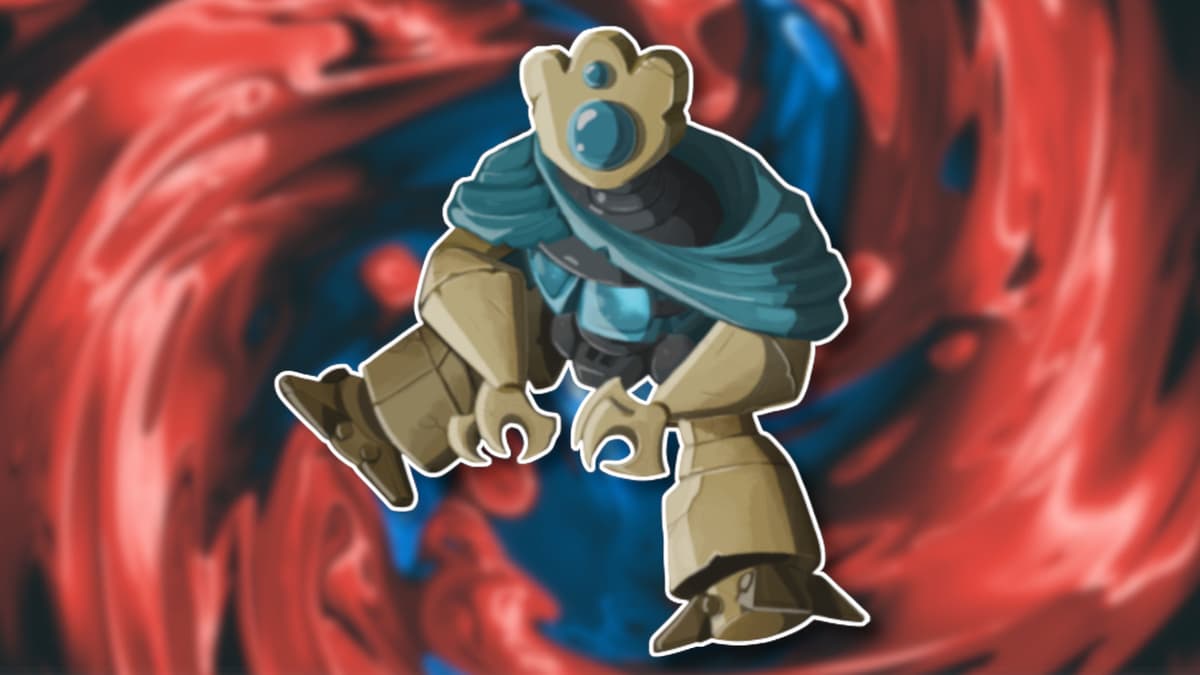
How Roguelikes Like Slay the Spire 2 and Balatro Changed My Life, and Why I Love Them for It
Why It Matters
Roguelikes demonstrate how high‑stakes, replayable gameplay can boost player engagement while providing a constructive outlet for stress, signaling a lucrative niche for developers focused on mental‑wellness and retention.
Key Takeaways
- •Author logged 80+ hours in Slay the Spire 2 since early access
- •Balatro exceeds 300 hours on Steam Deck, plus ~50 on Apple Arcade
- •Roguelike loops force constant decisions, reducing existential rumination
- •Permadeath failure creates meaningful lessons, helping players cope with setbacks
- •High engagement signals strong market demand for challenging, replayable indie games
Pulse Analysis
Roguelike games have surged in popularity because they fuse simple controls with deep strategic layers. Each run presents a fresh combination of cards, items, or abilities, forcing players to evaluate risk versus reward in real time. This high‑frequency decision loop creates a dopamine‑driven feedback cycle that keeps users returning for "just one more" attempt. Beyond pure entertainment, the genre’s built‑in failure mechanic—permadeath—offers a clear, low‑stakes environment for practicing resilience, a quality increasingly valued by gamers coping with modern stressors.
The author’s personal data illustrates the genre’s magnetic pull: more than 80 hours in Slay the Spire 2 since its March 5 early‑access launch and an astonishing 300 plus hours in Balatro on a single Steam Deck. Such engagement dwarfs typical casual‑game sessions and mirrors broader market signals. Indie titles that prioritize procedural generation and meaningful loss are outperforming many big‑budget releases in daily active users and average session length. Investors are taking note, allocating capital toward studios that can deliver tight loops, high replay value, and community‑driven content updates.
For developers, the lesson is clear: design systems that reward incremental mastery while preserving the sting of failure. Integrating narrative breadcrumbs—like Hades 2’s evolving story—adds emotional weight without sacrificing the core loop. Moreover, positioning roguelikes as tools for mental‑health support can open partnerships with wellness platforms and broaden audience reach. As the line between gaming and self‑care blurs, the roguelike formula stands poised to shape the next wave of profitable, purpose‑driven interactive experiences.
How roguelikes like Slay the Spire 2 and Balatro changed my life, and why I love them for it
Comments
Want to join the conversation?
Loading comments...