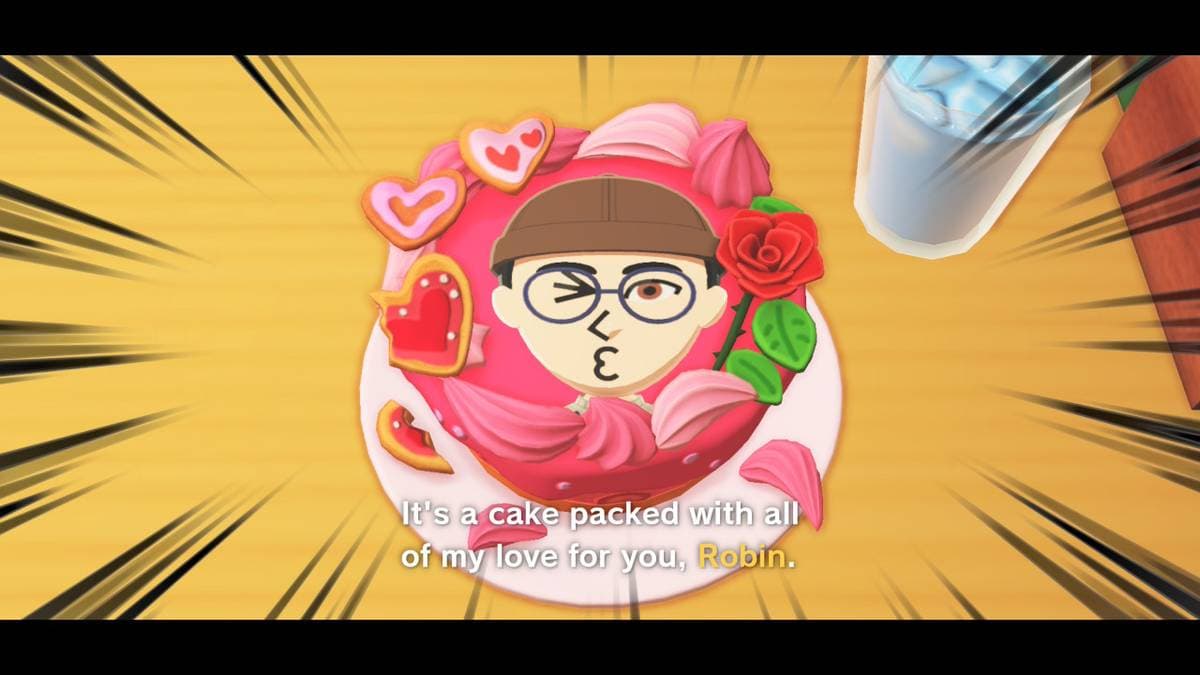
How Romance Works in Tomodachi Life: Living the Dream
Why It Matters
Understanding these mechanics helps players maximize in‑game relationships and offers insight into how randomness and player agency shape social simulation design.
Key Takeaways
- •Romance develops only through repeated Mii interactions
- •Reciprocity required; mismatched gender preferences block crushes
- •Miis can only hold one crush at a time
- •Real‑life partner settings have minimal effect on outcomes
- •Rejected Miis become depressed and need cheering up
Pulse Analysis
Nintendo’s Tomodachi Life: Living the Dream blends casual simulation with a surprisingly nuanced romance engine. While the game appears whimsical, the underlying system relies on stochastic algorithms that trigger crush events after enough shared activities. Players who keep Miis engaged—through island events, mini‑games, or simple conversation—boost the probability of a crush forming, but they cannot directly script the attraction. This design mirrors real‑world social dynamics where repeated exposure increases affinity, yet outcomes remain partly unpredictable, keeping gameplay fresh.
A critical rule in the romance model is reciprocity. The game enforces gender‑based compatibility: a Mii that only likes the opposite gender cannot develop a crush on a same‑gender partner, effectively preventing unreturnable feelings. Moreover, each Mii is limited to a single crush, so new attractions prompt a choice prompt, forcing players to prioritize relationships. Existing partnerships do not block new crushes, allowing overlapping romantic threads that can lead to dramatic break‑ups or multi‑Mii love triangles, adding depth to the island’s social fabric.
From a design perspective, the limited impact of the “real‑life partner” setting underscores Nintendo’s focus on emergent storytelling over static player input. The setting may appear in news broadcasts, but it does not steer the algorithm, highlighting the developers’ intent to let randomness drive narrative moments. For players, recognizing this nuance means they should concentrate on fostering interaction rather than tweaking settings, ensuring their Miis stay happy, avoid depression, and continue contributing to the island’s lively ecosystem.
How romance works in Tomodachi Life: Living the Dream
Comments
Want to join the conversation?
Loading comments...