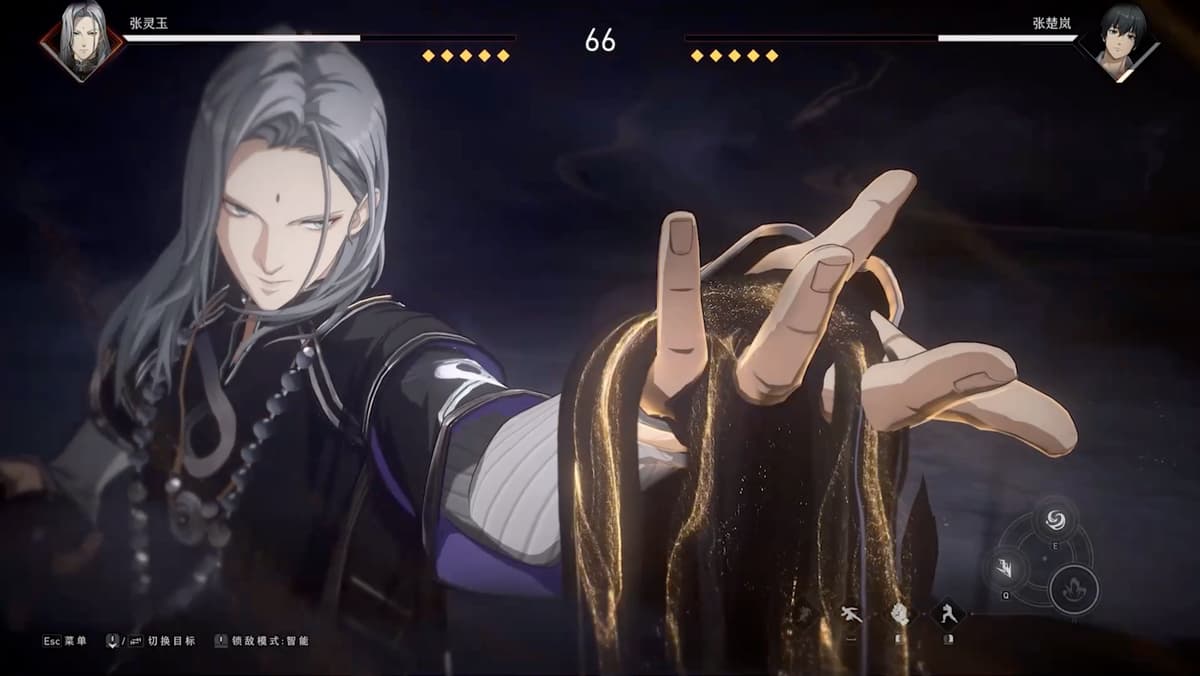
How Tencent Is Using AI to Make Fighting Games More Fluid | GDC Interview
Companies Mentioned
Why It Matters
Real‑time AI‑driven animation can dramatically shorten development cycles while delivering higher visual fidelity, giving Tencent a strategic advantage in the fast‑growing fighting‑game segment.
Key Takeaways
- •MoreFun Studios uses generative AI for real‑time motion refinement
- •AI reduces animation lag while preserving game performance
- •The Hidden Ones will showcase AI‑driven fluid combat
- •Tencent aims to set new standard for fighting‑game realism
- •Industry watchers note AI could cut development cycles
Pulse Analysis
Tencent’s push into AI‑enhanced game development reflects a broader industry shift toward machine‑learning tools that automate traditionally labor‑intensive tasks. At the recent GDC Festival of Gaming, MoreFun Studios unveiled a pipeline that leverages generative AI to synthesize and adjust kung‑fu motions on the fly. By feeding motion‑capture data into a neural network, the system can generate nuanced variations in real time, allowing animators to focus on high‑level choreography rather than frame‑by‑frame tweaking. This technology not only improves visual fluidity but also aligns with the stringent latency requirements of fighting games, where split‑second reactions are critical.
The technical core of Tencent’s solution lies in a hybrid model that combines pre‑trained motion generators with a lightweight inference engine optimized for console hardware. Unlike offline rendering, the AI operates within the game loop, delivering responsive adjustments as players execute combos. This real‑time capability mitigates the classic trade‑off between animation quality and performance, enabling richer character expression without inflating CPU or GPU budgets. Moreover, the system’s ability to learn from player behavior opens the door to adaptive animations that evolve with gameplay, a prospect that could redefine player immersion in competitive titles.
For the broader market, Tencent’s AI‑driven animation pipeline signals a potential paradigm shift. Development studios facing talent shortages and rising production costs can adopt similar tools to accelerate timelines and reduce reliance on extensive motion‑capture sessions. As AI models become more accessible, we may see a wave of fighting games that prioritize fluidity and responsiveness as standard features rather than differentiators. Tencent’s early adoption positions it as a benchmark for innovation, prompting rivals to explore comparable solutions to stay competitive in an increasingly AI‑centric gaming landscape.
How Tencent is using AI to make fighting games more fluid | GDC interview
Comments
Want to join the conversation?
Loading comments...