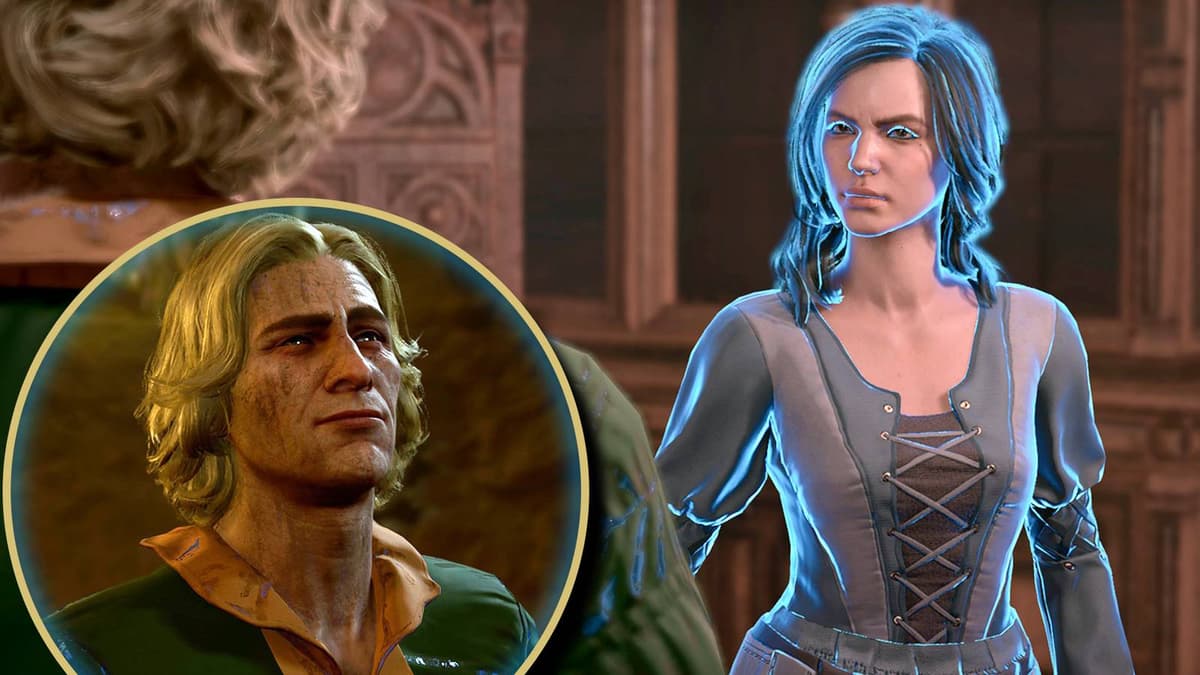
Why It Matters
The quest deepens BG3’s narrative complexity and showcases Larian Studios’ emphasis on player agency, affecting story branching and reward outcomes.
Key Takeaways
- •Find Oskar in Zhentarim Hideout after speaking to Brem
- •Convince Brem via dialogue check to release Oskar
- •Use See Invisibility methods to subdue Oskar’s ghost fight
- •Acquire Torch of Revocation to break curse in estate
- •Persuade or defeat Kerri to finish Free The Artist quest
Pulse Analysis
Baldur’s Gate 3’s “Free The Artist” quest weaves a multi‑act storyline that begins in the Zhentarim Hideout and culminates in a haunted mansion in the Lower City. By introducing characters like Rugan, Olly, and merchant Brem, Larian Studios creates a narrative thread that rewards exploration and careful dialogue choices. The quest’s early segment hinges on a simple dialogue check that, when passed, releases Oskar and sets the stage for a deeper, supernatural conflict later in Act Three.
The mechanical design of the quest highlights the game’s robust systems. Players must employ See Invisibility options—such as Volo’s Ersatz Eye, potions, or spells—to reveal hidden poltergeists during Oskar’s subdual. Acquiring the Torch of Revocation adds a strategic layer, allowing the party to bypass or neutralize cursed obstacles in Lady Jannath’s estate. These mechanics encourage diverse character builds and showcase how BG3 blends role‑playing, puzzle‑solving, and combat into a cohesive experience.
From a broader industry perspective, “Free The Artist” exemplifies modern RPG trends that prioritize player choice and emergent storytelling. The quest’s branching outcomes—whether persuading Kerri, fighting her, or allowing Oskar’s demise—directly influence narrative resolution and reward distribution. This flexibility not only enhances replay value but also aligns with community expectations for agency‑driven content, reinforcing Larian Studios’ reputation for deep, player‑centric design in the competitive RPG market.
How To Complete Free The Artist In BG3
0
Comments
Want to join the conversation?
Loading comments...