Why It Matters
Enabling jump reduces travel time and simplifies crafting routes, boosting overall gameplay efficiency. It demonstrates how targeted micro‑quests can deepen engagement in open‑world titles.
Key Takeaways
- •Jump unlocked via Magikarp after completing habitat request
- •Requires Rock Smash ability from Hitmonchan early game
- •Create ocean fishing spot with rod, seat, water square
- •Press R to jump; low height but speeds travel
- •Jump aids material gathering and building tasks
Pulse Analysis
In Pokopia, movement mechanics have evolved beyond basic walking, offering players nuanced ways to traverse the sprawling islands. The jump ability, while modest in vertical range, fills a critical gap between climbing and swimming, allowing seamless transitions over fences, furniture, and low obstacles. By integrating this skill into a side quest rather than a default feature, the developers encourage exploration and reward players who engage with the world’s hidden corners, reinforcing the game’s discovery‑driven ethos.
The unlocking process is deliberately layered. First, players acquire Rock Smash from Hitmonchan, a staple early‑game tutor that introduces environmental interaction. This ability then grants access to a sealed cave near Professor Tangrowth’s lab, where a unique rock formation blocks the path to a secluded beach. Once broken, the player encounters Magikarp, a seemingly ordinary fish that becomes the gatekeeper for jump. To earn Magikarp’s trust, the player must construct an ocean fishing habitat—combining a fishing rod, a seat, and a single ocean tile—mirroring real‑world habitat creation and adding a tactile crafting element to the quest.
From a design perspective, the jump ability exemplifies how incremental mobility upgrades can reshape player behavior. With faster vertical movement, users spend less time navigating mundane terrain and more time focusing on core loops such as crafting, building, and battling. This shift not only enhances user satisfaction but also increases session length, as players can more efficiently pursue high‑value activities. For seasoned gamers, mastering the jump early translates into quicker resource acquisition, smoother base construction, and a competitive edge in time‑sensitive events.
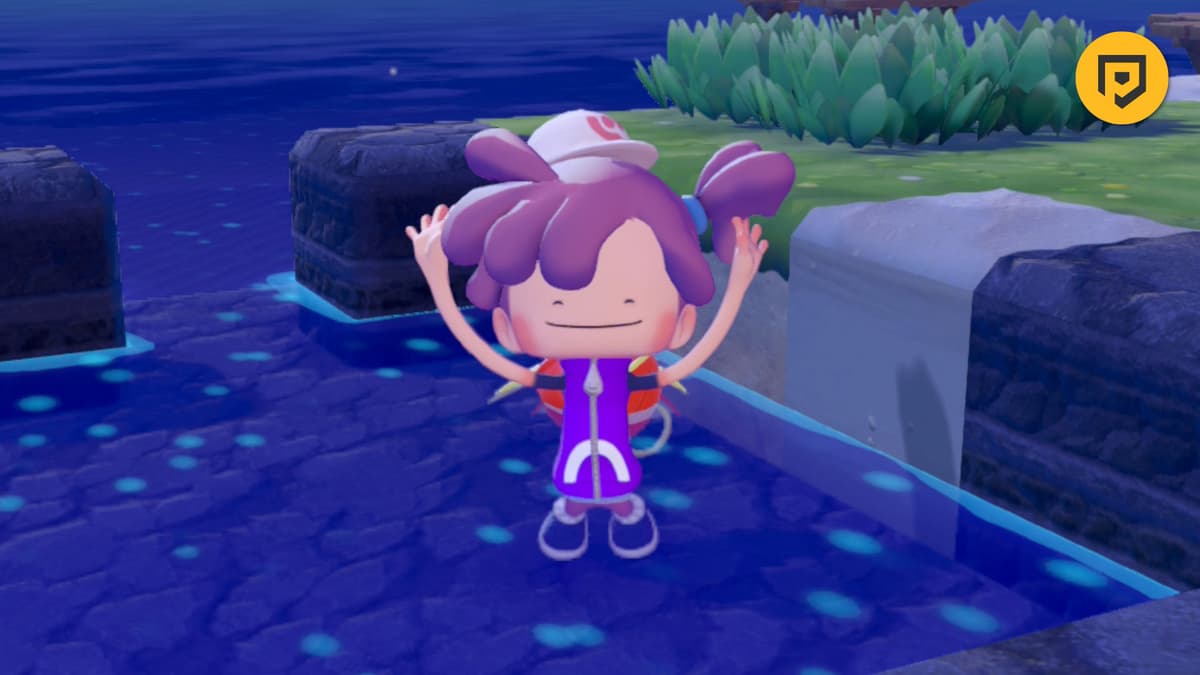
How to jump in Pokopia
0
Comments
Want to join the conversation?
Loading comments...