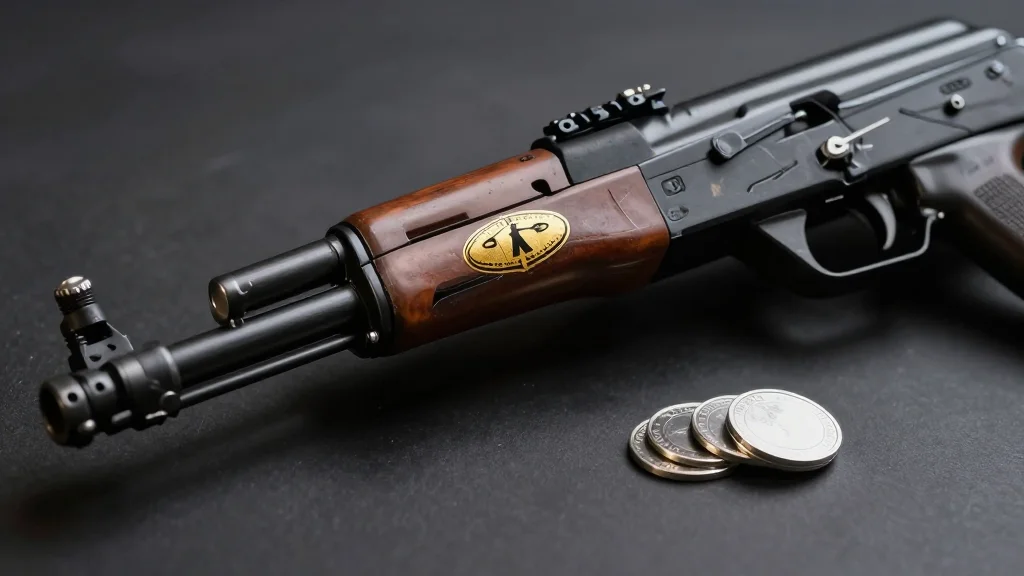
How to Use the CS2 Souvenir-O-Matic: Craft Your Own IEM Cologne 2026 Souvenir Skin
Companies Mentioned

Valve
Why It Matters
The shift gives players direct control over Souvenir value, reshaping the CS2 secondary market and creating new revenue streams for both Valve and esports sponsors.
Key Takeaways
- •Souvenir‑O‑Matic replaces random drops with player‑chosen crafts
- •Tokens cost $0.01 each; up to 900 tokens earnable via Pick’Em
- •Gold stickers on Souvenirs drive secondary‑market premiums
- •Prices rise for Covert skins and popular teams like Vitality
- •Crafts are permanent; StatTrak skins cannot be used
Pulse Analysis
The removal of random Souvenir drops in the May 2026 CS2 patch marks a decisive move toward player‑driven monetisation. By centralising the crafting process in the Souvenir‑O‑Matic, Valve turns a passive loot‑box model into an interactive marketplace where users decide which skins become collectible memorabilia. This change not only heightens engagement during the IEM Cologne 2026 major but also aligns the game’s economy with broader trends in digital ownership, giving gamers a tangible stake in the items they create.
At the heart of the new system is a token economy that mirrors real‑world micro‑transactions. Each token equates to about $0.01, and players can earn up to 900 tokens by correctly predicting match outcomes in the Pick’Em challenge. Prices for crafted Souvenirs fluctuate based on team popularity, player performance, and skin rarity, especially for Covert‑grade weapons. Savvy traders watch match results and wait for price corrections after a win or loss, leveraging the dynamic pricing to either flip high‑demand items or avoid overpaying on fleeting hype. The permanent nature of the craft adds scarcity, further influencing secondary‑market valuations.
Beyond CS2, the Souvenir‑O‑Matic signals a broader shift in esports merchandising. Gold stickers and player autographs now function as limited‑edition digital collectibles, blurring the line between in‑game cosmetics and tradable assets. This model could be replicated across future majors, offering sponsors new branding avenues and investors a novel asset class tied to tournament outcomes. As the ecosystem matures, we can expect tighter integration between game developers, tournament organisers, and third‑party marketplaces, cementing digital skins as a staple of esports economics.
How to Use the CS2 Souvenir-O-Matic: Craft Your Own IEM Cologne 2026 Souvenir Skin
Comments
Want to join the conversation?
Loading comments...