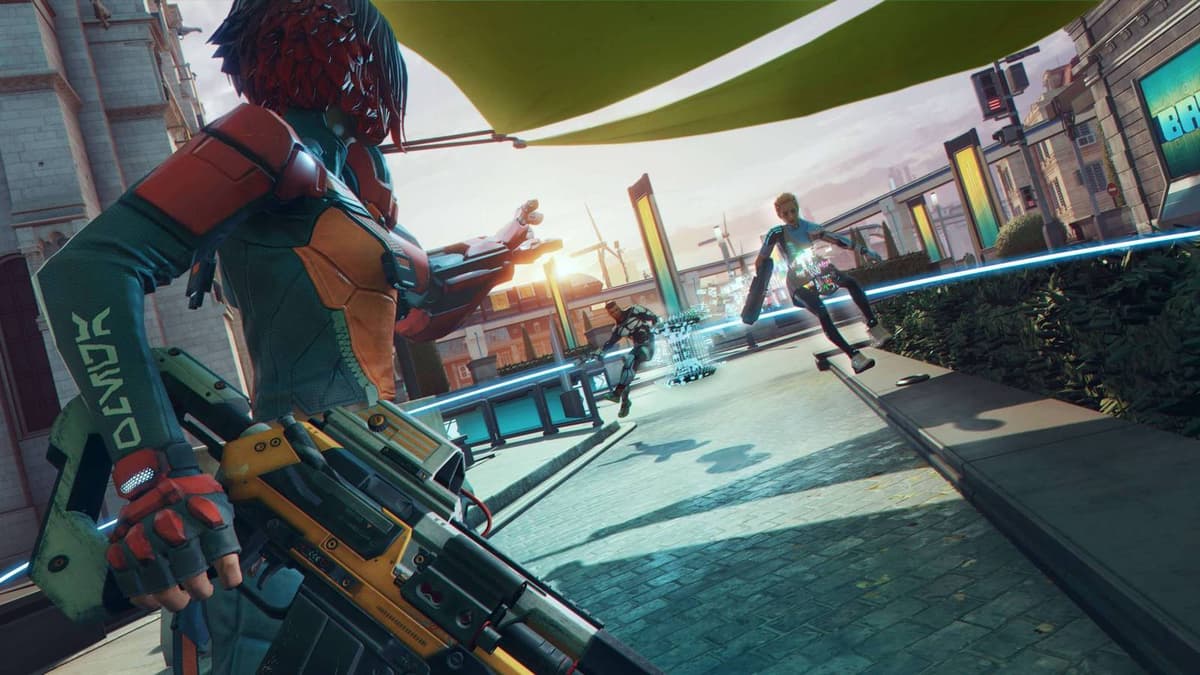
Hyper Scape, the Long-Forgotten Ubisoft Battle Royale, Is Being Revived by Fans
•February 17, 2026
0
Why It Matters
The fan‑driven revival highlights how engaged communities can extend a title's lifecycle, offering studios insight into unmet demand and potential revenue streams. It also underscores the challenges live‑service games face when initial launches falter.
Key Takeaways
- •Fans launch Hyper Scape revival project
- •Early alpha restores single‑player functionality
- •Community response overwhelmingly nostalgic
- •Revival may inform future Ubisoft live‑service strategies
- •Long‑term player retention remains uncertain
Pulse Analysis
The resurgence of Hyper Scape illustrates a growing trend where passionate player bases take development into their own hands. By reverse‑engineering the game's code and sharing functional builds, fans not only preserve a piece of gaming history but also create a testbed for Ubisoft to gauge lingering interest. This grassroots effort mirrors similar community‑led projects for titles like *Anthem* and *XDefiant*, suggesting that developers might benefit from monitoring fan initiatives as informal market research.
From a business perspective, fan revivals can serve as low‑cost proof‑of‑concepts for re‑launches or re‑imagined sequels. Ubisoft can analyze engagement metrics—such as video views, forum activity, and download numbers—to assess whether investing in an official update would yield a positive return. Moreover, the buzz generated by fan projects can rejuvenate brand perception, turning a perceived failure into a narrative of resilience and community loyalty, which is valuable for investor confidence and future marketing campaigns.
However, relying on fan‑driven restoration carries risks. Without official support, technical stability, server infrastructure, and legal compliance remain uncertain, potentially leading to fragmented experiences and consumer disappointment. Companies must weigh the benefits of endorsing such projects against the liability of unmet expectations. Ultimately, Hyper Scape's revival underscores the importance of early, responsive post‑launch support and the untapped potential of engaged communities to shape a game's destiny.
Hyper Scape, the long-forgotten Ubisoft battle royale, is being revived by fans
0
Comments
Want to join the conversation?
Loading comments...