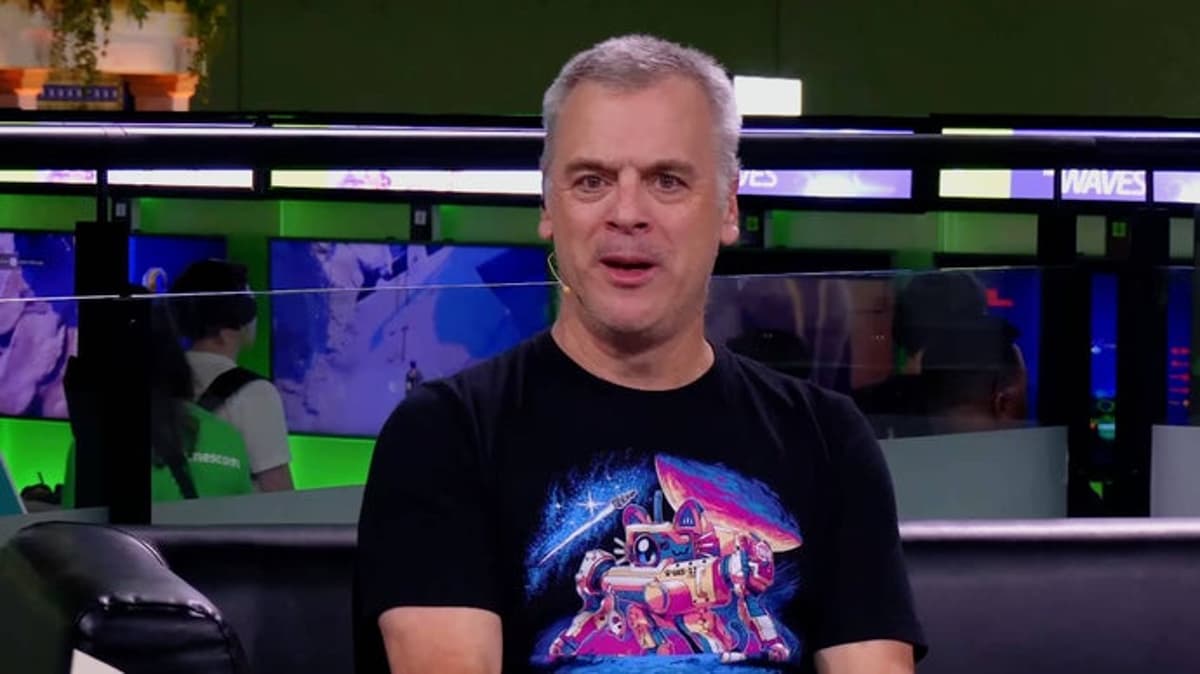
"I Couldn't Protect It" Pete Hines Says He Left Microsoft-Owned Bethesda because He Didn't Want to Watch It Be "Damaged and Broken Apart and Frankly Mistreated, Abused"
Companies Mentioned
Why It Matters
The exit highlights growing pains in Microsoft’s integration of Bethesda, raising concerns about leadership stability and studio culture that could affect upcoming game releases and investor confidence.
Key Takeaways
- •Pete Hines quit Bethesda citing inability to protect studio under Microsoft
- •He felt mental health deteriorated watching studio "damaged, broken apart, abused"
- •Hines praised Todd Howard for supporting his exit after Starfield delays
- •Departure highlights cultural tension after Microsoft’s 2021 acquisition of ZeniMax
- •Retaining talent like Erin Losi remains critical for Bethesda’s brand
Pulse Analysis
Microsoft’s purchase of ZeniMax Media in 2021 was hailed as a strategic move to secure premier IPs like Fallout and The Elder Scrolls. Yet the integration has revealed friction points, especially around preserving the creative autonomy that made Bethesda a powerhouse. Pete Hines, who steered Bethesda’s publishing arm for over two decades, voiced his frustration that corporate oversight was eroding the studio’s efficient, developer‑first ethos. His comments echo broader industry worries that large tech conglomerates may dilute the distinct cultures that drive innovative game development.
Leadership turnover at a flagship studio sends a clear signal to investors and developers alike. Hines’ departure, framed by concerns over mental‑health and an inability to intervene in what he described as mistreatment, underscores the human cost of rapid post‑acquisition restructuring. The loss of a veteran publisher who understood Bethesda’s internal pipelines could disrupt release schedules, marketing cohesion, and talent morale. Moreover, his public praise for Todd Howard’s personal support hints at the reliance on individual relationships to navigate corporate turbulence.
Looking ahead, Bethesda must balance Microsoft’s broader strategic goals with the need to retain its core creative talent. Stabilizing the publishing leadership, reinforcing transparent decision‑making, and safeguarding the studio’s legacy culture will be essential to maintain consumer trust and protect upcoming titles such as the next Elder Scrolls installment. For shareholders, the episode serves as a reminder that successful integration hinges not just on financial metrics but on preserving the intangible assets—leadership continuity and developer goodwill—that drive long‑term value in the gaming sector.
"I couldn't protect it" Pete Hines says he left Microsoft-owned Bethesda because he didn't want to watch it be "damaged and broken apart and frankly mistreated, abused"
Comments
Want to join the conversation?
Loading comments...