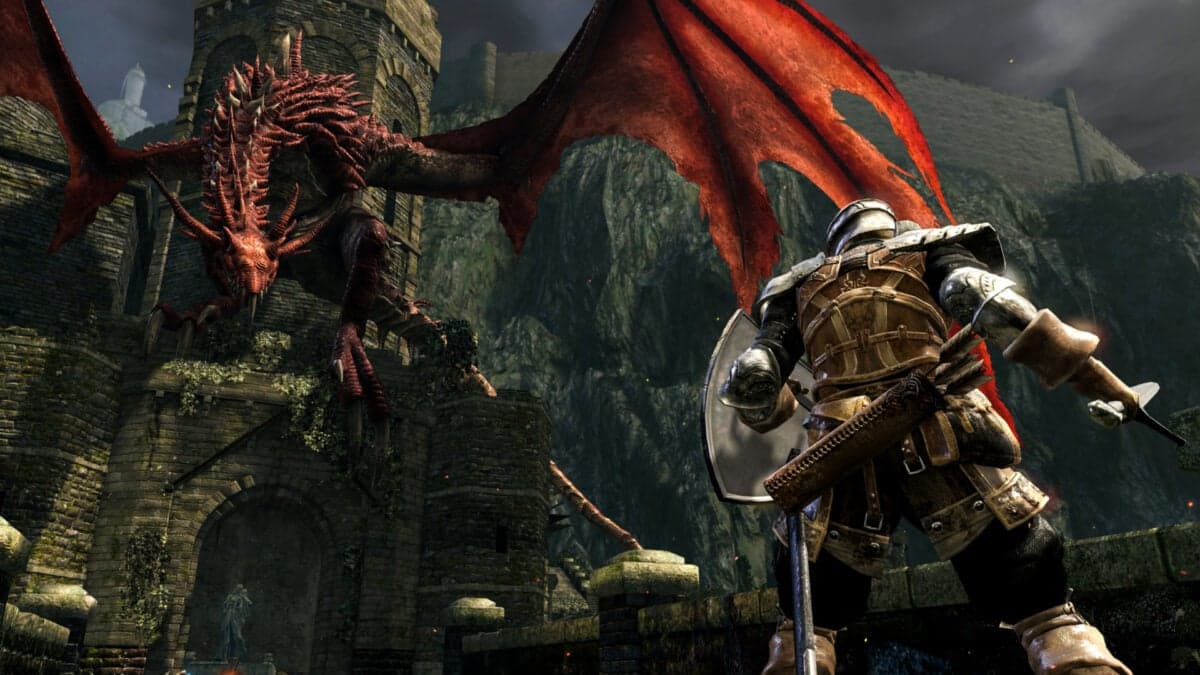
I Played Dark Souls For The First Time In 2026 And It Really Is The Best Ever

Why It Matters
The story illustrates untapped market potential among under‑represented gamers, urging publishers to prioritize inclusive design and outreach. It signals that removing psychological barriers can expand player bases and revenue streams.
Key Takeaways
- •Female gamers often doubt competence in hardcore games
- •Dark Souls' difficulty cultivates growth mindset through repeated failure
- •Inclusive marketing can unlock new revenue segments
- •Player perseverance translates into higher engagement metrics
- •Gender bias limits market expansion in the gaming industry
Pulse Analysis
Dark Souls has become a cultural touchstone for the "hardcore" gaming segment, generating over $500 million in cumulative sales since its 2011 launch. Its reputation for unforgiving difficulty creates a loyal community that drives long‑tail revenue through DLC, streaming, and merchandise. Yet the franchise’s steep learning curve also acts as a gatekeeper, deterring potential players who lack confidence or prior exposure to such challenges. Understanding this dynamic is crucial for studios seeking to balance depth with accessibility while preserving the core experience that defines the brand.
Psychological research, such as the findings cited by Psychology Today, reveals that girls are often socialized to view ability as static, leading to avoidance of challenging tasks. In gaming, this translates to lower participation rates among women in titles perceived as "hard" or "male‑oriented." Wertheimer’s narrative exemplifies how direct exposure and supportive mentorship can shift a growth mindset, turning frustration into mastery. For industry leaders, fostering environments that encourage trial, error, and community support can mitigate these gendered expectations and broaden the player demographic.
From a business perspective, embracing inclusive design and targeted outreach can unlock significant growth. Companies that highlight diverse success stories, invest in adaptive difficulty options, and cultivate welcoming online communities stand to capture a larger share of the $159 billion global gaming market. Moreover, advertisers and sponsors are increasingly valuing audiences that reflect broader societal diversity. By addressing psychological barriers and promoting representation, publishers not only enhance brand equity but also position themselves for sustained profitability in an evolving market.
I Played Dark Souls For The First Time In 2026 And It Really Is The Best Ever
Comments
Want to join the conversation?
Loading comments...