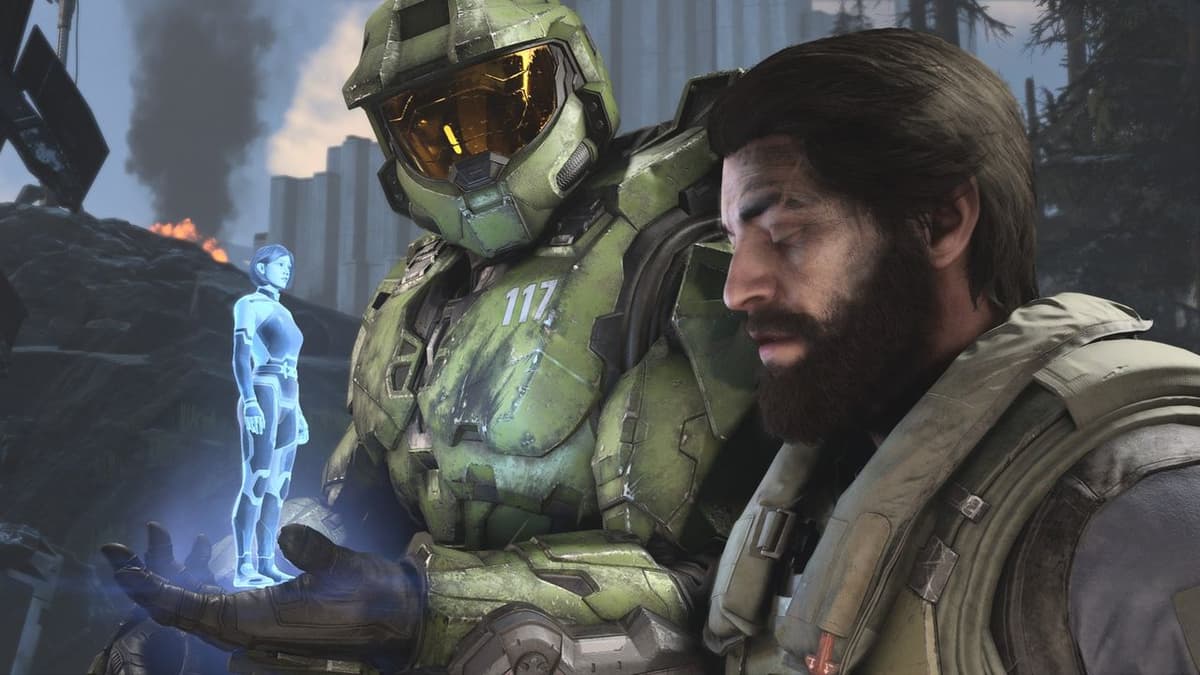
"I Regard It as a Great Missed Opportunity": Former DOOM Dev Reveals New Details About Xbox's Canceled Halo 'Titan' MMO that Never Saw the Light of Day
Companies Mentioned
Why It Matters
Titan’s cancellation illustrates how internal corporate decisions can forfeit potentially lucrative IP expansions, affecting both franchise evolution and Xbox’s competitive positioning against rivals like World of Warcraft. The disclosed assets also inform current Halo development, showing how legacy concepts can be repurposed.
Key Takeaways
- •Titan MMO development began in 2004 under Ensemble Studios.
- •Project cancelled in 2007 after internal leadership changes.
- •Playable factions included Forerunners and the Covenant with new races.
- •Forerunner races featured cyborgs, sigmas, hardlights, and humans.
- •Concepts later resurfaced as Prometheans in Halo 4 and 5.
Pulse Analysis
When Xbox launched its first foray into the MMO market in the mid‑2000s, the goal was clear: create a Halo experience that could rival Blizzard’s World of Warcraft. Codenamed “Titan,” the title entered full production in 2004, leveraging Ensemble Studios’ real‑time strategy pedigree. By 2007, the project boasted extensive art pipelines, mission designs, and a fleshed‑out lore framework, positioning it as a potential flagship for Microsoft’s gaming ecosystem before the company’s later acquisition of Activision‑Blizzard.
Titan’s narrative was set before the Forerunners activated the Halo rings, pitting a nascent Forerunner civilization against the Covenant. The Forerunners were divided into four playable races—cyborgs, humans, space‑adapted sigmas, and hard‑light entities—while the Covenant introduced new alien types such as “Mimics.” These hard‑light concepts later echoed in the Promethean enemies of Halo 4 and 5, suggesting that the MMO’s design DNA survived beyond its cancellation. The game’s ambitious faction system promised a deeper exploration of Halo’s mythos, potentially expanding the franchise’s storytelling canvas.
The abrupt termination of Titan, reportedly to protect a short‑term executive bonus, underscores the financial pressures that can override long‑term creative investments. While the immediate loss was a missed revenue stream—potentially worth hundreds of millions of dollars—the longer‑term impact includes a gap in Xbox’s MMO portfolio and a delayed evolution of Halo’s universe. Modern developers can learn from Titan’s fate: aligning incentive structures with product longevity and preserving valuable IP assets can turn a shelved project into future innovation, as seen with the repurposing of hard‑light ideas into later Halo titles.
"I regard it as a great missed opportunity": Former DOOM dev reveals new details about Xbox's canceled Halo 'Titan' MMO that never saw the light of day
Comments
Want to join the conversation?
Loading comments...