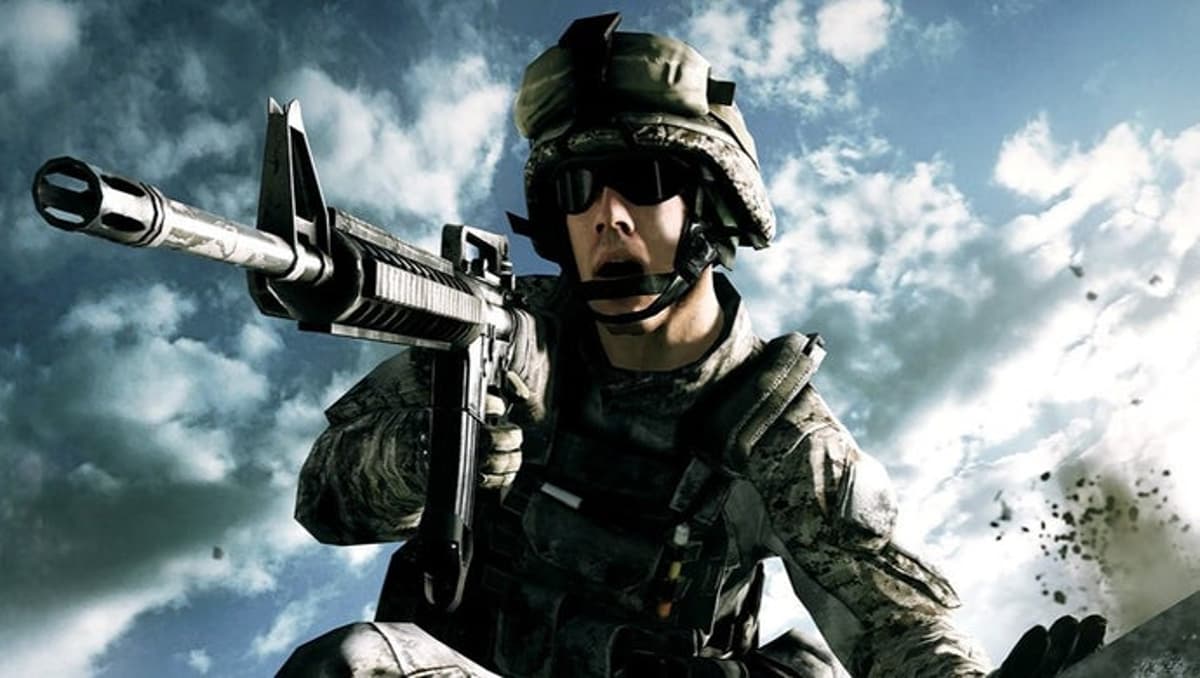
"I Wanted You to Feel Bad": Former Battlefield Audio Designer Recalls Punching Himself to Record More Realistic Gunshot Screams

Why It Matters
The anecdote highlights the extreme lengths game audio teams may go for realism, raising questions about workplace health and the moral responsibilities of developers in war‑focused titles. It also underscores how immersive sound can affect both players and creators, influencing design decisions in the broader industry.
Key Takeaways
- •Pajor punched himself to record authentic bullet‑hit screams for Battlefield
- •Colleague experienced anxiety attacks, prompting removal of the visceral audio
- •DICE pursued a documentary‑style aesthetic for its shooter franchise
- •Pajor left DICE after 15 years, citing relief from war‑game pressure
Pulse Analysis
The quest for hyper‑realistic audio in first‑person shooters has long been a competitive edge, and Battlefield set a high bar by treating sound as a narrative device. By recording genuine pain responses, designers like Bence Pajor aimed to blur the line between player and combatant, creating a visceral experience that mirrors documentary war footage. However, this pursuit can clash with employee well‑being, as the intense Foley session described on the Game Makers Notebook podcast demonstrates. When a designer suffered panic attacks from the very sounds meant to heighten immersion, DICE faced a stark reminder that authenticity must be balanced against mental health considerations.
Industry observers note that such extremes are not isolated. Method‑acting techniques have seeped into game development, with creators sometimes subjecting themselves to physical discomfort to capture authentic reactions. While this can yield compelling audio that deepens player engagement, it also raises ethical concerns about workplace safety and the culture of over‑work in high‑budget studios. Companies are increasingly scrutinized for fostering environments where “passion‑driven” sacrifice becomes the norm, prompting calls for clearer guidelines and support systems for creative staff.
Pajor’s move to Arc Raiders illustrates a broader shift: seasoned audio veterans are applying their realism expertise to new genres while reassessing personal boundaries. In extraction shooters, realistic gun sounds remain crucial, but the emphasis is shifting toward balancing immersion with sustainable production practices. As the industry continues to push technical fidelity, the conversation around ethical sound design—especially in war‑centric games—will likely shape hiring policies, project timelines, and the very definition of what constitutes an immersive player experience.
"I wanted you to feel bad": former Battlefield audio designer recalls punching himself to record more realistic gunshot screams
Comments
Want to join the conversation?
Loading comments...