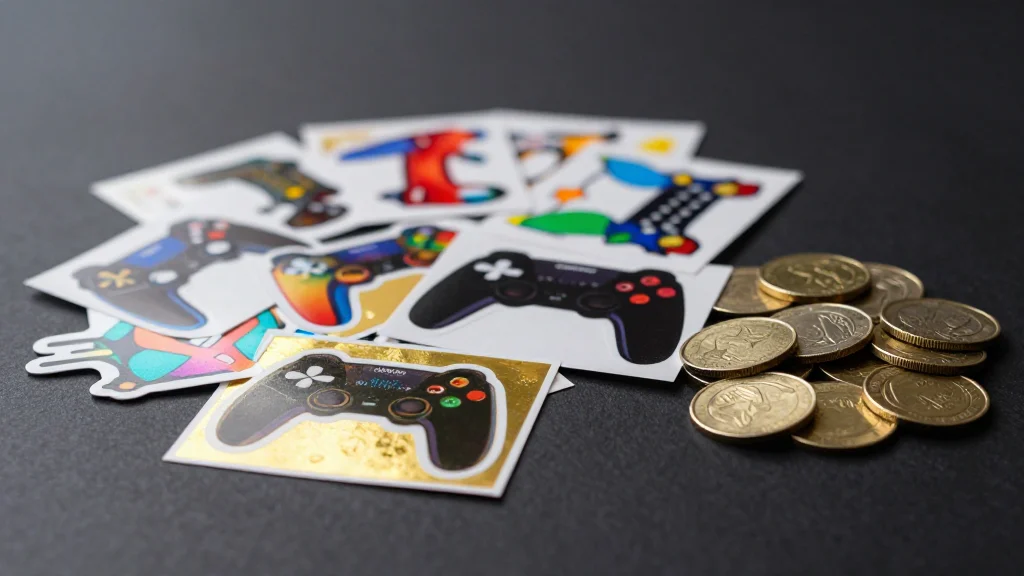
IEM Cologne 2026 Major Shop: Every Sticker You Can Buy and Dynamic Pricing Explained
Companies Mentioned

Valve
Why It Matters
By eliminating loot‑box mechanics, Valve boosts its profit margin and sidesteps growing regulatory scrutiny, while giving players a transparent way to acquire coveted esports cosmetics.
Key Takeaways
- •Major Shop uses tokens at $1 = 100 tokens.
- •Sticker prices adjust dynamically with global demand.
- •Valve now captures 100% of sticker sale revenue.
- •768 stickers released, featuring paper, foil, holo, gold variants.
- •Price‑drop refunds trigger if price falls >25 tokens within 24 hours.
Pulse Analysis
Valve’s introduction of the IEM Cologne 2026 Major Shop marks a decisive move away from the random‑draw model that has defined Counter‑Strike sticker distribution for years. By converting the purchase process to a token‑based marketplace, the company gives players direct control over which stickers they acquire, while the dynamic pricing algorithm reflects real‑time demand. This model mirrors broader trends in digital goods, where transparency and immediacy are becoming essential to retain a competitive edge in the esports economy.
From a financial perspective, the shift dramatically improves Valve’s revenue capture. Under the legacy capsule system, Valve earned a modest fixed fee per opening, regardless of the secondary‑market value of the sticker inside. The new shop funnels 100% of each transaction to Valve, aligning earnings with the actual market price of high‑profile player stickers. Coupled with a built‑in price‑drop refund mechanism, the system also mitigates consumer backlash over volatile pricing, a concern that has fueled regulatory interest in loot‑box practices worldwide.
For the community, the Major Shop reshapes collecting behavior. High‑demand stars such as donk, ZywOo and NiKo will command premium token costs, incentivizing speculative buying and potential resale on third‑party platforms. Conversely, emerging Tier 2 talent remains affordable, encouraging broader fan engagement across the competitive ladder. As esports titles increasingly experiment with direct‑purchase models, Valve’s approach could set a benchmark for monetizing in‑game cosmetics while navigating the delicate balance between profit, player satisfaction, and regulatory compliance.
IEM Cologne 2026 Major Shop: Every Sticker You Can Buy and Dynamic Pricing Explained
Comments
Want to join the conversation?
Loading comments...