Iter-8 showcases how hybrid indie games can refresh familiar mechanics, appealing to players seeking both strategic resource management and fast‑paced defence action. Its upward‑mining twist may inspire further genre mash‑ups in the crowded indie market.
The indie gaming scene continues to thrive on inventive hybrids, and Iter-8 exemplifies this trend by marrying classic platform mining with modern tower‑defence dynamics. By forcing players to mine upward—a reversal of the downward descent seen in titles like Dome Keeper—the game introduces fresh spatial challenges that keep the core loop engaging. This directional shift not only differentiates the experience but also encourages developers to rethink level design conventions in resource‑gathering games.
Beyond its core loop, Iter-8 layers in light‑based puzzles that reward players with base upgrades, adding a cerebral element to the otherwise action‑heavy gameplay. These puzzles break up the rhythm of mining and combat, offering a brief strategic interlude that deepens player investment. Such design choices reflect a broader industry movement toward multi‑mechanic titles that cater to diverse player preferences, blending reflexive combat with problem‑solving to broaden appeal.
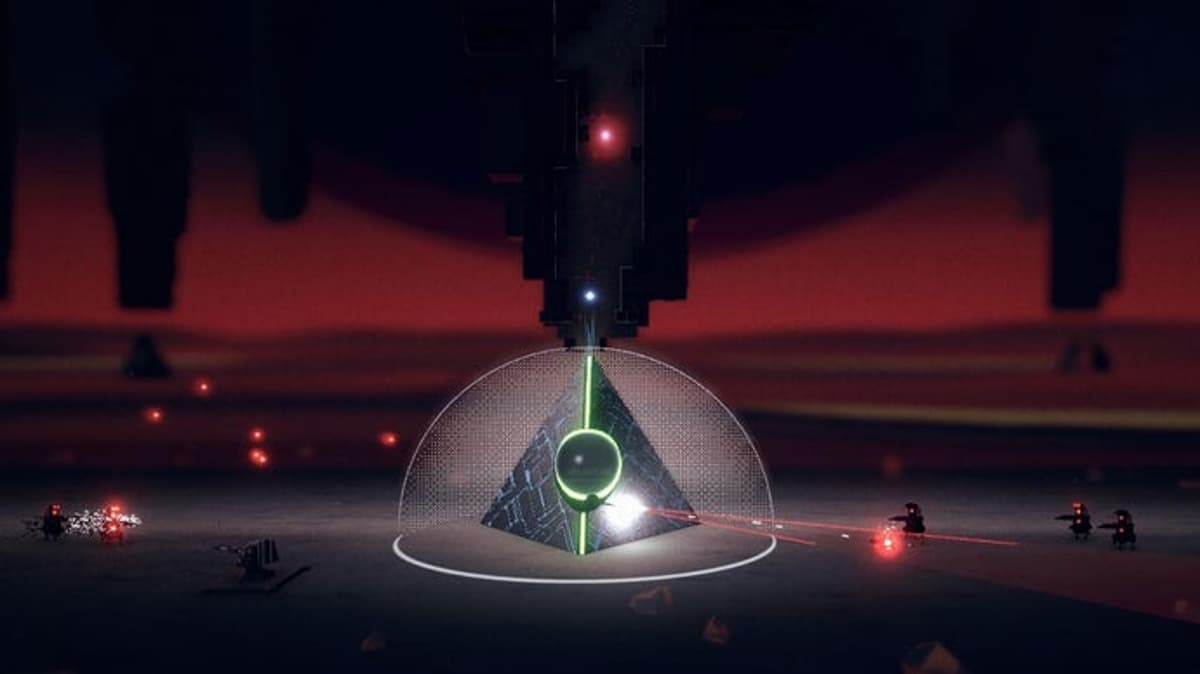
Visually, the game leans into a tilt‑shift aesthetic, rendering the monolith’s brutalist architecture as a stylized miniature world. This artistic direction not only enhances immersion but also aligns with current market demand for distinctive visual identities that stand out on crowded storefronts. As Iter-8 moves from demo to full release, its combination of upward mining, tower‑defence, and puzzle elements positions it as a noteworthy case study in hybrid game design, potentially influencing future indie projects seeking to innovate within established genres.
I dig this subgenre

Image credit: Rock Paper Shotgun / Fireshine Games / fluckyMachine
I'm just a tiny mining droid trying to carve an upward path through the brutalist monolith that dominates the skyline. Not hurting anyone, am I? Yet, I'd be making much better progress if it weren't for the pesky red‑eyed monsters that keep attacking my base. They're just afraid of change – NIMBYs the lot of them.
Every few floors I climb, I have to race home to blast the incoming creeps with my base's gun turret. But then that's the ever‑present challenge of Iter‑8, the latest half‑mining, half‑tower‑defence game to have stolen my attention.

Image credit: Rock Paper Shotgun / Fireshine Games / fluckyMachine
This isn't the first time I've played a game that pairs the digging of Manic Miner with the Missile Command‑style base defence. Iter‑8's structure is extremely similar to Dome Keeper and Wall World – two games I'm also a sucker for (less so Wall World 2). As in those games, there is a clear divide to the action: in the mines you're drilling for resources, dragging ore and scavenged equipment back to your base; back at base, your focus is purely on shredding the incoming waves.
Again, similar to Dome Keeper and Wall World, you spend resources extracted from the mine on upgrades, either to your mining equipment or base weaponry. That could be a more powerful mining laser, a larger carry bag for ore, or a faster‑firing turret. Fail to mine enough resources between the waves of enemies and you can't afford to keep pace with the enemies' growing strength.

Iter‑8 isn’t identical to those other games. It differs in two important ways. In Dome Keeper you mine down. In Wall World you mine to the right. In Iter‑8 you mine upwards. That’s not the biggest difference, but it’s nice to see a game that lets you mine in a new direction. Iter‑8 also introduces a tower‑defence layer and a little light‑puzzle solving.
As you climb the monolith, you will uncover gold‑coloured wires connecting sprawling nodes. Dig out every node in the chain and you will unlock a relic that you can convert into a tower back at your base. In the demo I’ve played, I’ve only come across a cannon and a howitzer so far, but I suspect (and hope) there are more varied towers to come. While towers don’t radically change the dynamic, they do make incoming waves a little more forgiving, especially as your mining operation takes you further from your home base.
The puzzles are a small departure. On each floor of the monolith you’ll find a door leading to a platform dotted with mirrors, stacked concrete blocks, and a glass shard. Your job is simple: use the mirrors to reflect a shaft of light into the glass shard, rotating mirrors and clearing blocks that block the beam. Your reward is a nice little upgrade for your home base.
These additions don’t radically change what is on offer in Dome Keeper and Wall World, but they’re different enough to excite my little brain and convince me I’m playing something new enough to while away an hour or two – long after I’ve gotten through what’s available in the demo. I’m also a big fan of games that use a tilt‑shift effect, giving every object and enemy the appearance of a figurine.
Comments
Want to join the conversation?
Loading comments...