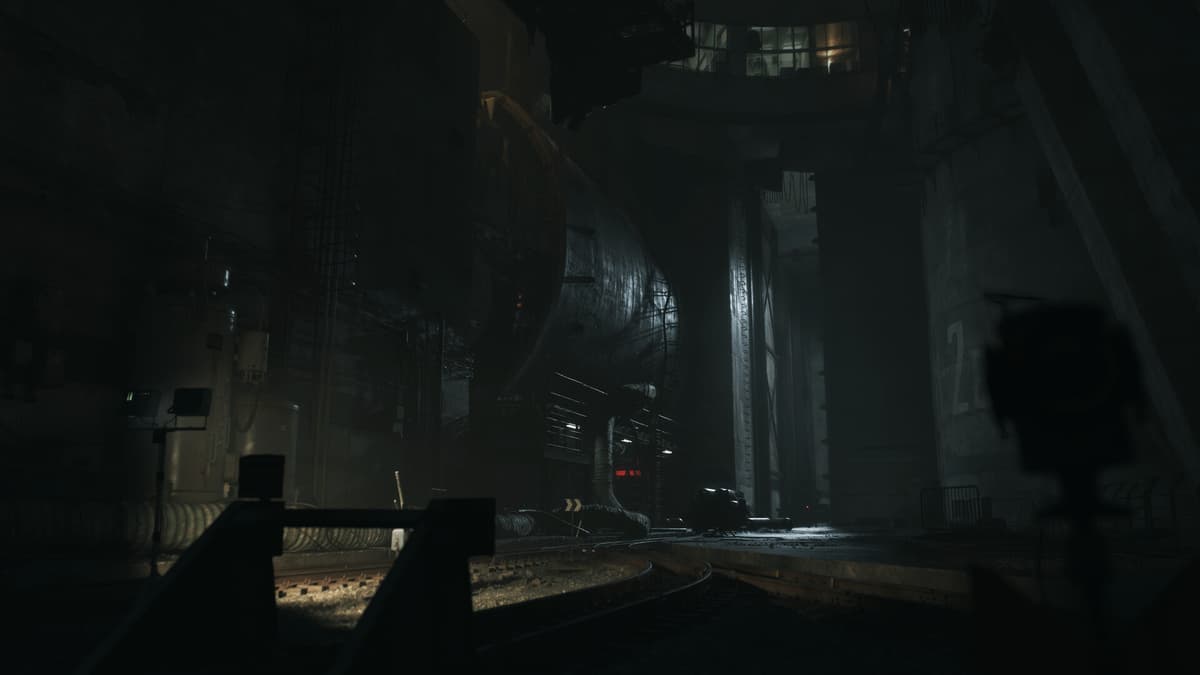
ILL Won’t Make You Feel Like “An Unstoppable Action Hero,” But It Won’t Overtly Punish Either

Why It Matters
ILL’s calibrated difficulty could set a new standard for indie survival‑horror games, drawing both casual and veteran audiences and shaping future genre design.
Key Takeaways
- •Trailer reveals 2027 PS5 and PC release
- •Resource scarcity forces tactical gameplay decisions
- •Makeshift weapons degrade, adding realism
- •Balances horror tension with accessible action
- •Potential multiple difficulty modes for varied players
Pulse Analysis
The survival‑horror genre has seen a resurgence in recent years, driven by both blockbuster franchises and indie experiments. Players now expect atmospheric storytelling alongside challenging gameplay, yet many titles stumble by leaning too heavily into either punishing difficulty or shallow action. ILL arrives at this crossroads, positioning itself as a title that respects the genre’s roots while modernizing the experience for a broader audience. By promising scarce resources and weapon degradation, the game taps into the tension that made classics like Resident Evil and Silent Hill compelling, while its Unreal Engine 5 visuals promise a fresh, immersive aesthetic.
Design-wise, ILL’s emphasis on tactical resource management reflects a growing trend among developers to embed strategic depth without alienating newcomers. The decision to make makeshift melee weapons degrade over time adds a layer of realism that encourages players to think ahead, mirroring the survival mechanics seen in titles such as The Last of Us. Drawing inspiration from Half‑Life 2’s environmental puzzles, the game also appears to reward creative use of surroundings, suggesting a gameplay loop that blends combat, exploration, and puzzle‑solving. This hybrid approach could differentiate ILL in a crowded market, appealing to gamers who crave both adrenaline‑pumping action and methodical, horror‑driven decision‑making.
From a business perspective, ILL’s planned 2027 release gives Team Clout ample time to refine its difficulty curve and potentially roll out multiple difficulty settings, a strategy that can broaden its market reach. By targeting both PS5 and PC, the game taps into the most lucrative console and PC ecosystems in the United States, aligning with consumer spending trends that favor high‑budget, high‑visibility releases. If the title successfully balances accessibility with hardcore challenge, it could become a benchmark for indie studios seeking to compete with larger publishers, influencing future investment in survival‑horror projects and shaping consumer expectations for genre hybrids.
ILL Won’t Make You Feel Like “An Unstoppable Action Hero,” But It Won’t Overtly Punish Either
Comments
Want to join the conversation?
Loading comments...