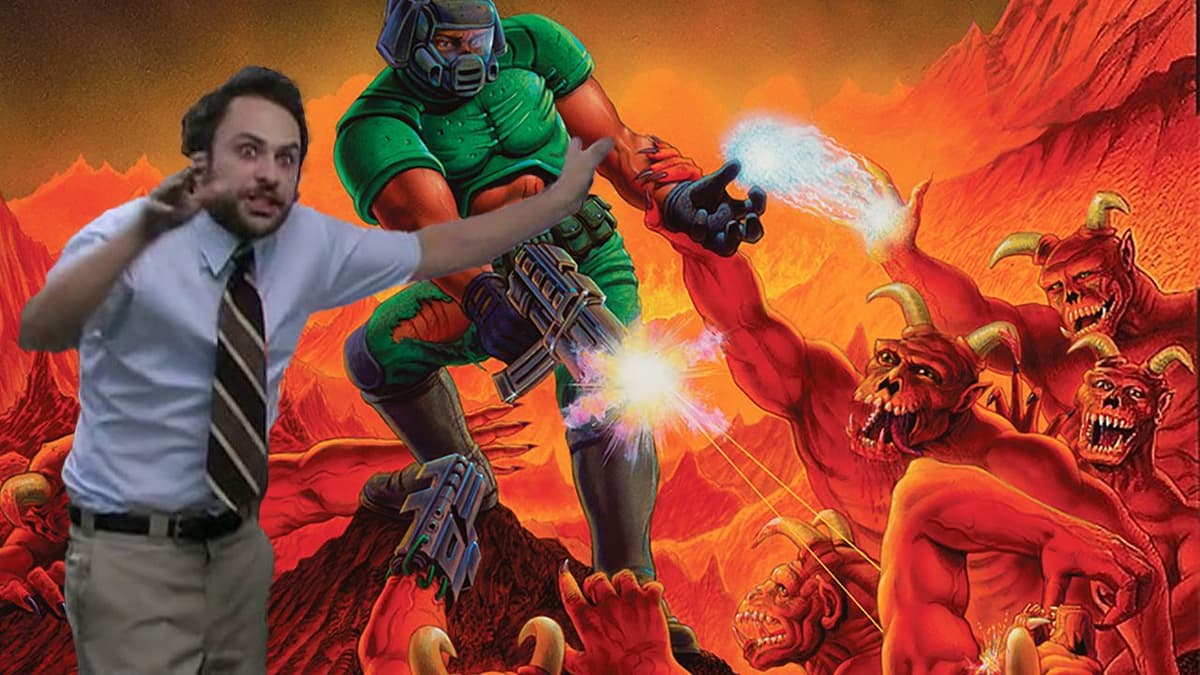
In the Early 1990s, Doom Was Famously Installed on More PCs than Windows Itself—But How Many Was that, Actually?
Companies Mentioned
Microsoft
MSFT

Valve
Why It Matters
The fact that Doom may have outinstalled Windows highlights the disruptive reach of shareware and early viral distribution, a precedent for today’s digital platforms. It shows that software popularity can far exceed traditional sales metrics, reshaping how the industry measures success.
Key Takeaways
- •Doom shareware downloaded 20 million times by 1996.
- •Gabe Newell recalled study showing 30 million PCs ran Doom.
- •Windows used on roughly 30 million US PCs in early 1990s.
- •Discrepancy suggests Doom may have outpaced Windows by up to 10 million installs.
- •Shareware model and piracy amplified Doom’s reach beyond official counts.
Pulse Analysis
The early 1990s PC market was dominated by MS‑DOS, with Windows 3.1 still a niche graphical shell. id Software leveraged the shareware model, releasing the first episode of Doom for free and distributing it on floppy disks, bulletin‑board systems, and early internet archives. By 1995 the game had been downloaded 20 million times, a figure that already eclipsed the roughly 30 million United States PCs running Windows according to a contemporaneous Microsoft study. This mismatch highlighted how a single entertainment title could achieve distribution scale comparable to an operating system.
Gabe Newell, then a Microsoft engineer, later recalled the same study in a 2013 interview, noting that Windows was the second‑most‑installed product after Doom. The methodology—physically inspecting 10,000 machines—provided a rare snapshot of real‑world software usage, bypassing retail sales data that often under‑reported copy‑to‑copy sharing. Doom’s popularity was amplified by rampant piracy and informal LAN copying, meaning the official 20 million shareware downloads likely omitted another ten million installations. The gap between the 20‑million and 30‑million figures underscores how early digital distribution bypassed traditional metrics.
The episode foreshadowed today’s direct‑to‑consumer platforms such as Steam, which Newell later built on the same insight that users were already obtaining software outside retail channels. For modern developers, Doom’s case study illustrates the power of low‑friction access, community sharing, and viral adoption in driving market penetration. It also serves as a cautionary tale for analysts who rely solely on sales figures, as true install bases can be dramatically larger. Understanding these historical dynamics helps explain why contemporary games can reach hundreds of millions of players with minimal upfront cost.
In the early 1990s, Doom was famously installed on more PCs than Windows itself—but how many was that, actually?
Comments
Want to join the conversation?
Loading comments...