Inside the Quixotic Team Trying to Build an Entire World in a 20-Year-Old Game
•February 24, 2026
0
Why It Matters
The effort demonstrates how sustained community collaboration can extend a legacy game’s lifespan and generate commercial‑grade content without official support, highlighting a viable model for long‑term user‑generated expansion in the gaming industry.
Key Takeaways
- •Volunteers add hundreds of hours of handcrafted content.
- •Incremental releases keep community engaged and attract new devs.
- •Open-source tools like Blender accelerate asset creation.
- •Project timelines extend to 2035, showing long‑term commitment.
- •Structured onboarding reduces dev turnover and speeds contributions.
Pulse Analysis
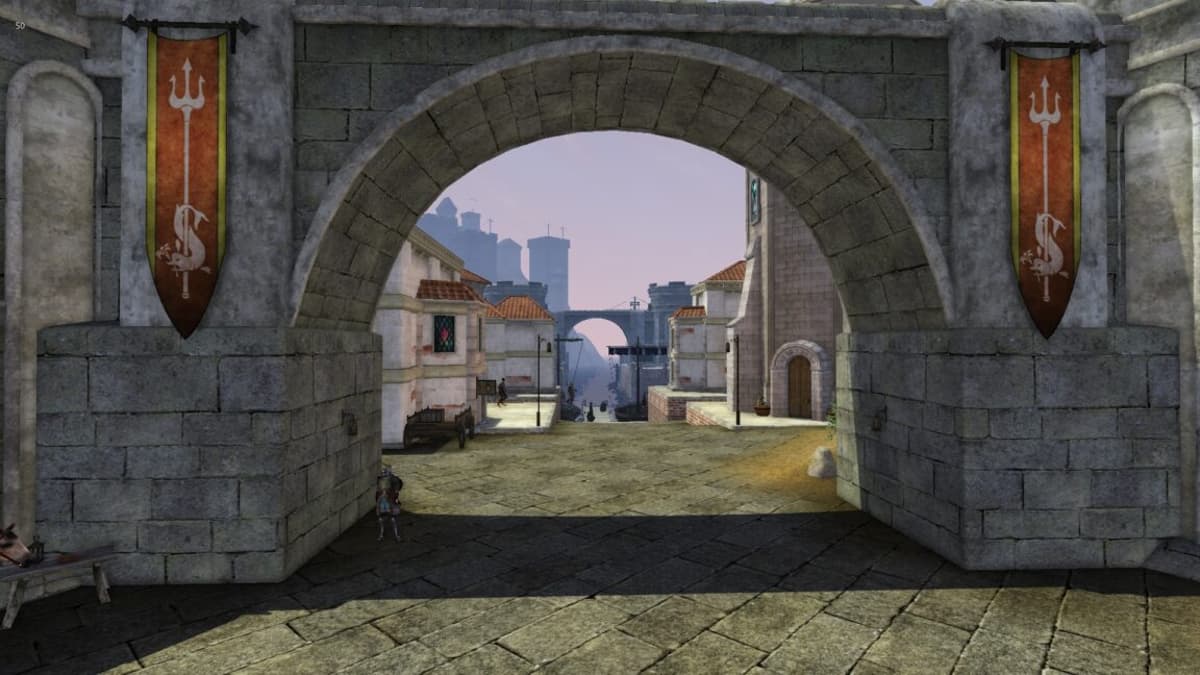
The Elder Scrolls III: Morrowind may be over two decades old, but its open architecture has turned it into a living platform for one of the most ambitious fan‑driven projects in gaming history. Tamriel Rebuilt and Project Tamriel have collectively mapped an area comparable to a small nation, stitching together provinces that were never originally present. By delivering nine major releases, the teams have added hundreds of hours of handcrafted quests, dungeons, and terrain, effectively transforming a single‑island RPG into a continent‑scale sandbox. This sustained activity keeps the original title relevant for new and veteran players alike.
A key to that endurance is the projects’ development methodology. Rather than waiting for a monolithic finish, the modders ship frequent, self‑contained updates that generate hype, provide proof of life, and act as recruitment magnets. Their onboarding pipeline—known as showcases—filters for tool competence and can move a newcomer from interest to active contribution within a week. The adoption of open‑source software such as Blender has lowered the barrier to creating custom assets, accelerating iteration cycles. Together, these practices create a virtuous loop where fresh talent fuels faster releases, which in turn attract more volunteers.
For the broader industry, the Tamriel initiatives illustrate the commercial potential of structured, community‑generated content. Studios can extend a game’s revenue curve by nurturing mod ecosystems that deliver high‑quality, lore‑consistent expansions without direct development costs. The projects also showcase how transparent governance, shared asset repositories, and clear documentation preserve institutional knowledge despite inevitable turnover. As game engines become more accessible and collaborative tools improve, we can expect more long‑term, crowd‑sourced world‑building efforts that blur the line between developer and player, reshaping the economics of post‑launch support.
Inside the quixotic team trying to build an entire world in a 20-year-old game
0
Comments
Want to join the conversation?
Loading comments...