Is It Me or Is High Fps Gaming a Bit Overrated?
•March 8, 2026
0
Companies Mentioned

Why It Matters
Understanding the fps threshold helps gamers optimize performance without overtaxing hardware, and guides manufacturers in marketing realistic refresh‑rate benefits.
Key Takeaways
- •Perceived smoothness plateaus after ~90 fps for most games
- •High refresh monitors boost color and motion clarity
- •Controller‑based titles gain little from >120 fps frame rates
- •Ultra‑high fps raises power use and hardware stress
- •Competitive edge remains only in fast‑reaction twitch shooters
Pulse Analysis
While the gaming community often equates higher frame rates with smoother experiences, scientific studies and player feedback reveal a perceptual ceiling. Most users notice a clear improvement when moving from 60 fps to 90 fps, but the incremental gain between 90 fps and 120 fps is subtle, especially in titles played with a controller or those lacking rapid, twitch‑style action. The human visual system processes motion at roughly 60–75 Hz, and beyond that the brain filters out minor temporal differences, making ultra‑high fps feel marginal for many gamers.
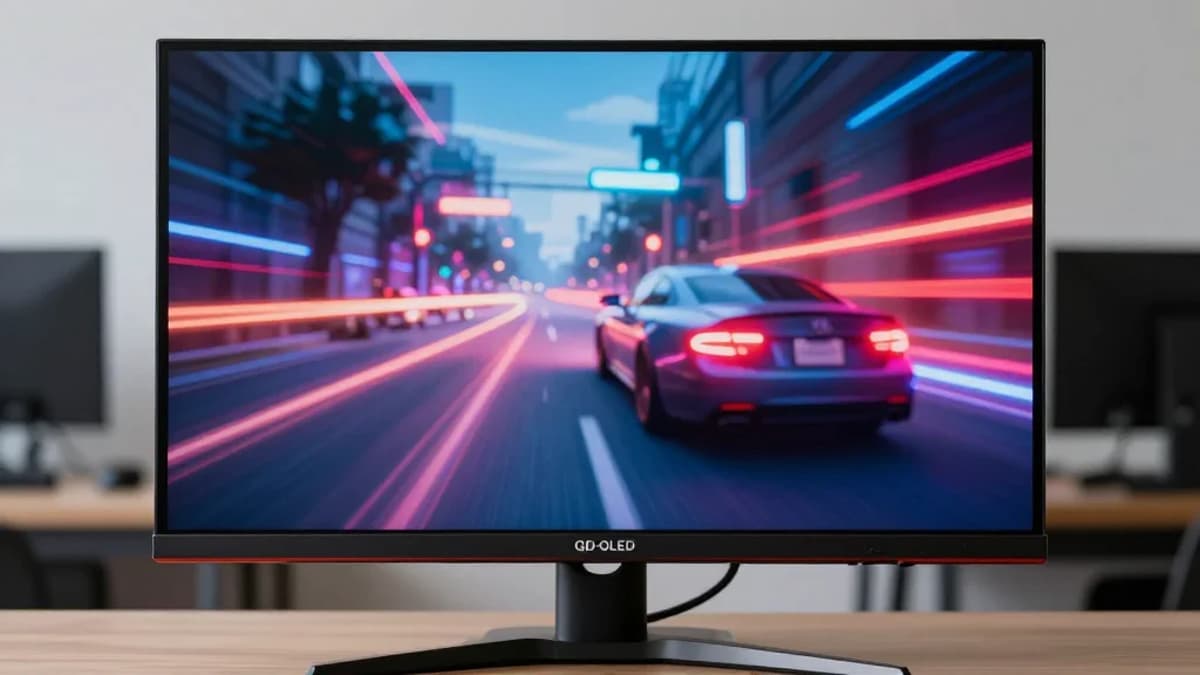
The MSI MPG 271QRX QD‑OLED illustrates how a 360 Hz panel can deliver visual benefits that extend beyond sheer frame count. OLED technology provides deep blacks, near‑instant pixel response, and a wide color gamut, which together reduce motion blur and enhance perceived sharpness even at modest frame rates. However, achieving true 360 fps demands top‑tier GPUs and significant power, and the audible fan noise and heat output can offset the aesthetic gains. For most consumers, the sweet spot lies between 90 fps and 144 fps, where color fidelity and low input lag are maximized without excessive hardware strain.
From a business perspective, the perception of diminishing returns influences GPU pricing, marketing strategies, and the rise of adaptive‑sync technologies. Manufacturers are promoting variable refresh rates and frame‑rate caps as energy‑saving features, appealing to eco‑conscious gamers and enterprises managing large PC fleets. Advising users to cap games at 90 fps can extend hardware lifespan, lower electricity bills, and still deliver a competitive experience in most genres. As developers optimize titles for a broader range of refresh rates, the market will likely shift toward balanced performance rather than chasing absolute frame‑rate supremacy.
Is it me or is high fps gaming a bit overrated?
0
Comments
Want to join the conversation?
Loading comments...