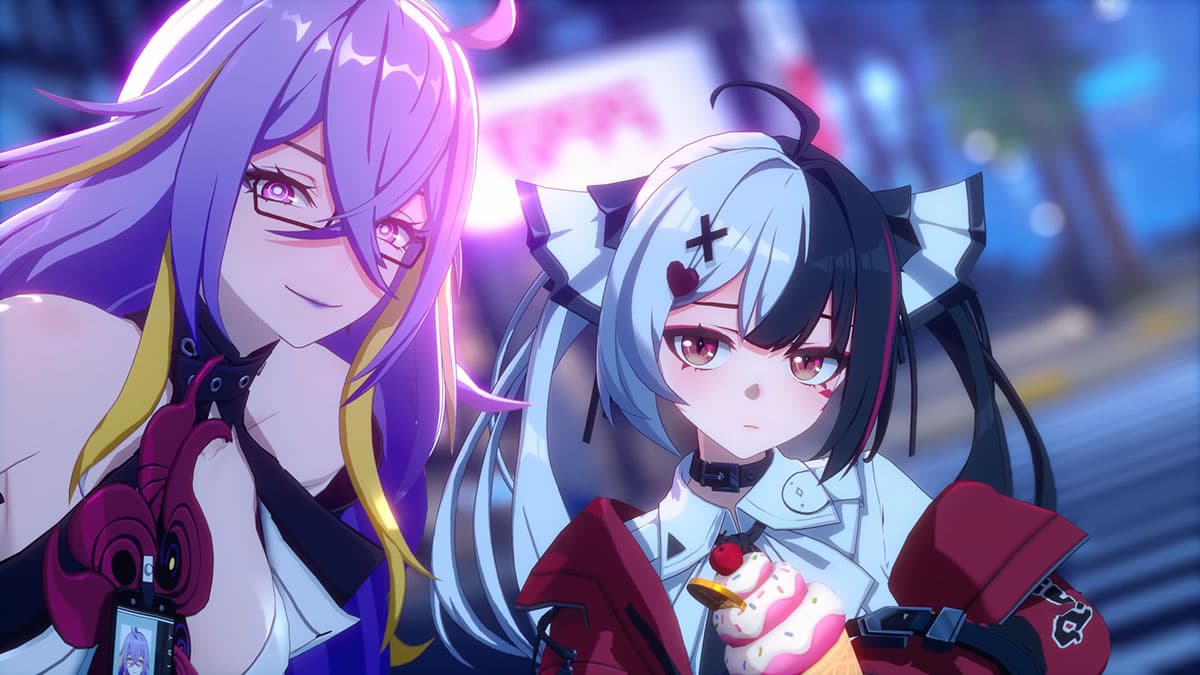
It Seems Neverness to Everness’ Developer Replaced AI Slop with… Even Sloppier AI Slop
Why It Matters
The incident shows that unchecked AI use can damage a game's reputation and erode consumer trust, especially in cost‑driven free‑to‑play markets. It signals a broader industry need for clearer standards and oversight of generative content.
Key Takeaways
- •Developers patched some AI assets but left a new AI billboard
- •Fans flagged AI art resembling Makoto Shinkai style on in-game billboard
- •Free‑to‑play gacha titles often rely on cheap AI for background assets
- •Developer promises human‑crafted content, yet AI replacements persist after patches
Pulse Analysis
The video‑game industry is at a tipping point where generative AI tools are moving from prototype to production. Developers can instantly generate textures, concept art, or entire environments, cutting costs and accelerating timelines. While this promises efficiency, it also blurs the line between human‑crafted and algorithmic assets, raising questions about artistic integrity and copyright. As AI models become more sophisticated, studios must decide whether to treat generated content as a shortcut for background elements or as a core component of the player experience.
The recent controversy surrounding the gacha title *Neverness to Everness* illustrates the tension. After fan outcry over an AI‑generated billboard that mimicked Makoto Shinkai’s visual style, the developers pledged to remove generative assets and released a patch. However, the replacement billboard was itself produced by AI, featuring a poorly rendered soda advertisement with mismatched clouds and shadows. The incident highlights how quickly AI can re‑enter a build, especially in free‑to‑play games where budget constraints encourage rapid, low‑cost asset creation.
For publishers, the episode serves as a warning that transparency and quality control are becoming competitive differentiators. Players increasingly scrutinize the provenance of in‑game art, and repeated AI slip‑ups can erode brand trust, especially in markets sensitive to cultural appropriation or style imitation. Regulators may eventually require disclosure of AI‑generated content, while studios that invest in hybrid pipelines—using AI for iteration but retaining human oversight for final assets—are likely to maintain credibility and avoid backlash.
It seems Neverness to Everness’ developer replaced AI slop with… even sloppier AI slop
Comments
Want to join the conversation?
Loading comments...