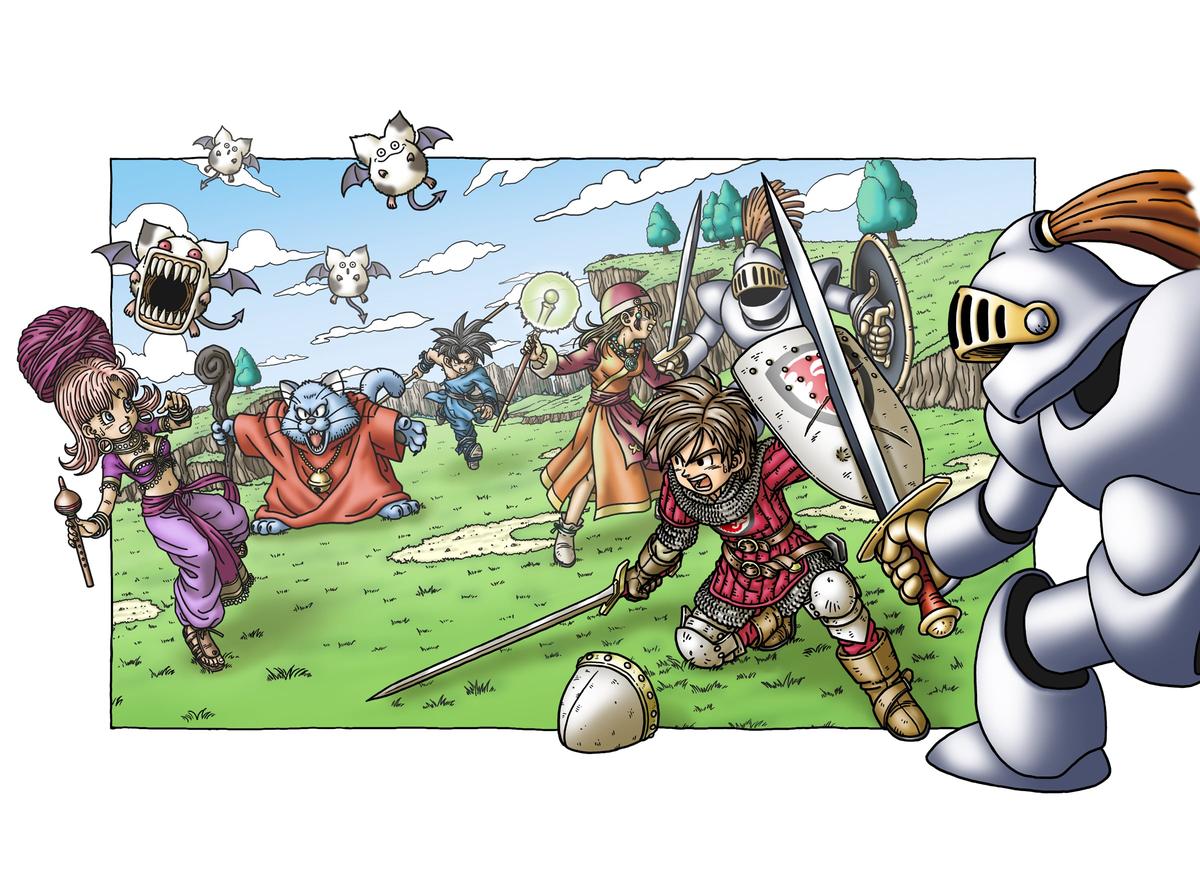
‘It’s Not About the Storyline’: Dragon Quest 9 Director Says the Hardest Thing Isn’t to Make Players Cry, but Surprised
Why It Matters
The interview highlights a core shift in RPG design toward experiential surprise, influencing how future games engage players beyond traditional storytelling. It signals industry leaders prioritizing interactive novelty, which can drive higher retention and differentiate titles in a crowded market.
Key Takeaways
- •Yuji Horii prioritizes player experience over storyline in Dragon Quest.
- •Surprise gameplay, not emotional tears, is the hardest design challenge.
- •Marriage choice in Dragon Quest 5 creates unique player-driven narratives.
- •Fujisawa's new visual novel Pain Pain Go Away releases May 20 on PC.
- •Dragon Quest X remains Japan‑only despite multi‑platform presence since 2012.
Pulse Analysis
Yuji Horii’s design philosophy—favoring the journey over the plot—has long shaped the Dragon Quest franchise, and Jin Fujisawa’s recent interview underscores its continued relevance. By treating surprise as a core mechanic, developers can craft moments that feel fresh, prompting players to stay engaged long after the initial story hook fades. This approach aligns with broader trends in role‑playing games where emergent gameplay and player agency increasingly define success, rather than linear narrative arcs alone.
A concrete example is Dragon Quest 5’s marriage system, which Fujisawa highlights as a surprise element that alters both story tone and combat dynamics. Allowing players to choose a partner not only personalizes the narrative but also directly impacts battle performance, creating a feedback loop where emotional investment translates into strategic advantage. Such design choices illustrate how surprise can be woven into mechanics, delivering a richer, more immersive experience that resonates on multiple levels.
Fujisawa’s upcoming visual novel, Pain Pain Go Away, extends this surprise‑centric mindset into a new genre. By tasking players with typing away patients’ subconscious traumas, the game blends narrative therapy with interactive puzzles, promising an unconventional emotional journey. Its May 20 PC release reflects a growing appetite for experimental titles that challenge conventional storytelling. As developers across the industry seek fresh ways to captivate audiences, the emphasis on surprise over sentiment may become a defining hallmark of next‑generation interactive entertainment.
‘It’s not about the storyline’: Dragon Quest 9 director says the hardest thing isn’t to make players cry, but surprised
Comments
Want to join the conversation?
Loading comments...