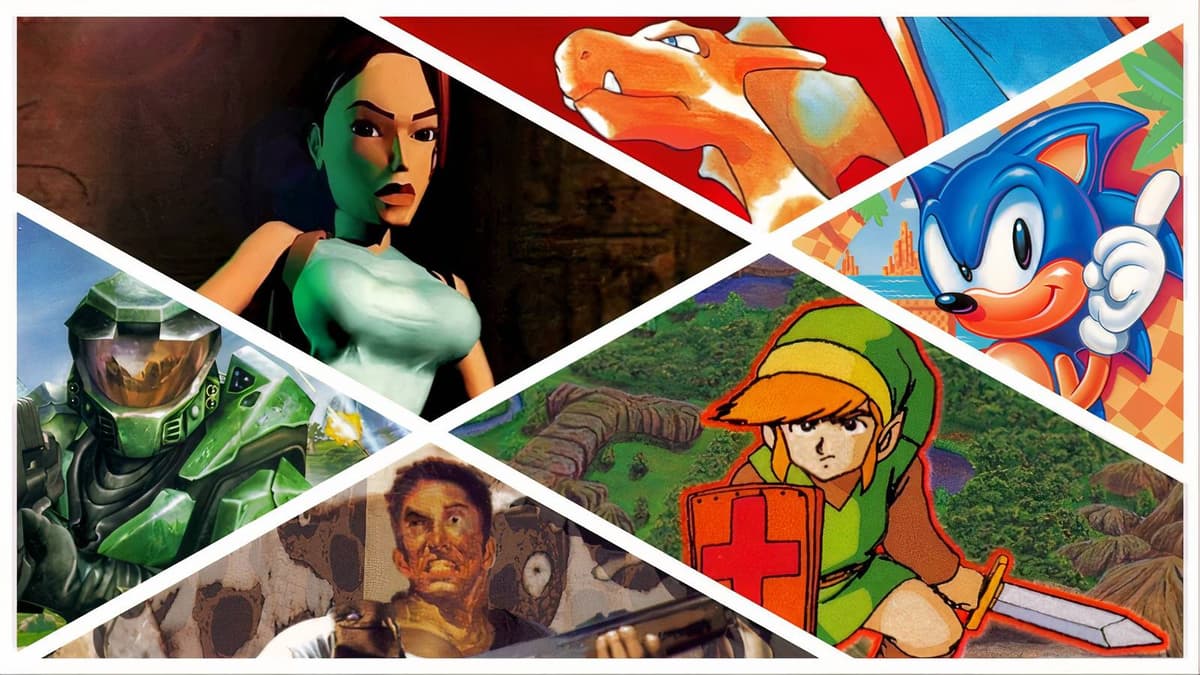
It's Time To Lower Expectations For Gaming's Milestone Anniversaries
•March 9, 2026
0
Why It Matters
Milestone anniversaries shape consumer expectations and marketing strategies, influencing how studios allocate resources and communicate with fans. Recognizing the shift toward sustainable development can reduce hype‑driven backlash and preserve brand equity.
Key Takeaways
- •2026 hosts dozens of major franchise anniversaries
- •Pokémon maintains constant releases, outpacing peers
- •Long development cycles dilute younger audience interest
- •Milestone hype often leads to disappointment without announcements
- •Longevity, not hype, should be celebrated
Pulse Analysis
The sheer volume of 2026 anniversary dates forces publishers to rethink how they leverage nostalgia. Rather than relying on one‑off fireworks, companies like Nintendo are integrating franchise milestones into broader ecosystem plans—cross‑media tie‑ins, live‑service updates, and merchandise drops that keep the brand in constant circulation. This approach mitigates the risk of a silent birthday, which can quickly become a PR nightmare when fan expectations go unmet.
For legacy franchises such as Final Fantasy and Dragon Quest, the challenge lies in balancing reverence for history with modern development realities. Extended production cycles, driven by higher graphical standards and larger team structures, often outlast the original player cohort. As a result, younger audiences may view these series as relics, prompting studios to explore spin‑offs, mobile adaptations, or collaborative events to stay visible without compromising core quality.
The broader industry lesson is clear: longevity should be the metric of success, not the spectacle of a single anniversary reveal. Studios that invest in steady content pipelines and community engagement—exemplified by Pokémon’s year‑round releases—build resilient fan bases that weather market volatility. By shifting focus from calendar‑driven hype to sustained value creation, publishers can turn milestone years into opportunities for genuine innovation rather than fleeting buzz.
It's Time To Lower Expectations For Gaming's Milestone Anniversaries
0
Comments
Want to join the conversation?
Loading comments...