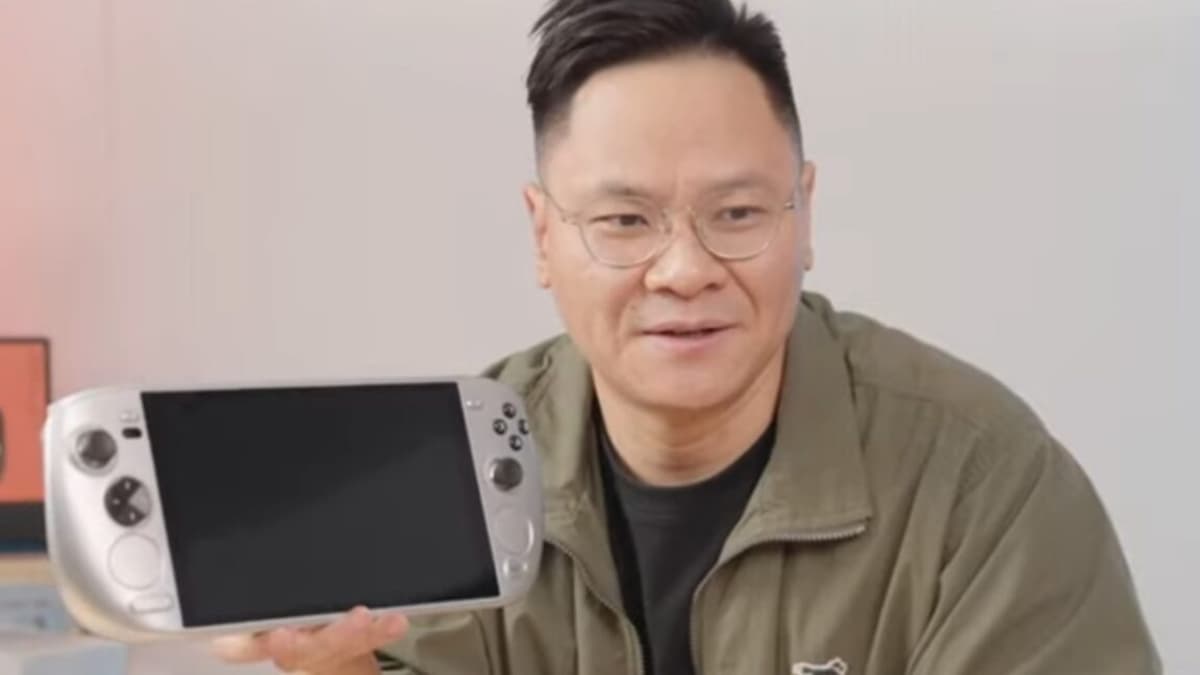
Just Look at Ayaneo's Absolute Unit of a Windows Gaming "Handheld"
Companies Mentioned
Why It Matters
The Next II raises the performance ceiling for handheld PC gaming while highlighting trade‑offs between power, portability, and regulatory constraints, forcing competitors to rethink design priorities.
Key Takeaways
- •Weighs 3.14 lb, far heavier than rivals.
- •9.06‑inch OLED, 165 Hz, 1,155 nits brightness.
- •Powered by Ryzen AI Max+ 395, RTX 4060‑level performance.
- •116 Wh battery exceeds airline carry limit.
- •Starts $1,999, high‑end $4,299 targets gaming whales.
Pulse Analysis
The handheld PC market has accelerated since the Steam Deck’s debut, with manufacturers chasing the sweet spot between console‑grade performance and true portability. Ayaneo’s Next II pushes the envelope by embracing a laptop‑like form factor, signaling that a segment of gamers values raw horsepower over the convenience of a pocket‑sized device. This shift mirrors broader consumer trends where high‑end mobile workstations and gaming rigs are gaining traction, especially among users who demand desktop‑level graphics for cloud‑agnostic titles.
Technically, the Next II’s Ryzen AI Max+ 395 SoC, paired with a Radeon 8060S GPU, offers a performance tier that rivals mid‑range gaming laptops and even some desktop GPUs such as the RTX 4060. The 9.06‑inch OLED panel, with a 165 Hz refresh rate and 1,155 nits peak brightness, provides a premium visual experience rarely seen in handhelds. However, the 116 Wh battery, while delivering extended playtime, breaches the 100 Wh airline limit, introducing logistical hurdles for travelers. Ayaneo’s dual centrifugal fans and vapor‑chamber fins aim to mitigate thermal throttling, but the sheer size and weight may limit adoption among users who prioritize ergonomics.
From a business perspective, Ayaneo’s pricing strategy clearly targets the “gaming whale” demographic—enthusiasts willing to invest upwards of $4,000 for top‑tier performance. By launching on Indiegogo, the company gauges demand while offsetting inventory risk. Competitors like OneXPlayer and GPD will need to either upscale their own specs or differentiate through price, battery compliance, or form‑factor innovation. As handheld PCs continue to blur the line between console and laptop, the Next II could catalyze a new tier of premium, albeit bulky, devices, prompting regulators and retailers to adapt to larger, higher‑capacity batteries in consumer electronics.
Just look at Ayaneo's absolute unit of a Windows gaming "handheld"


Comments
Want to join the conversation?
Loading comments...