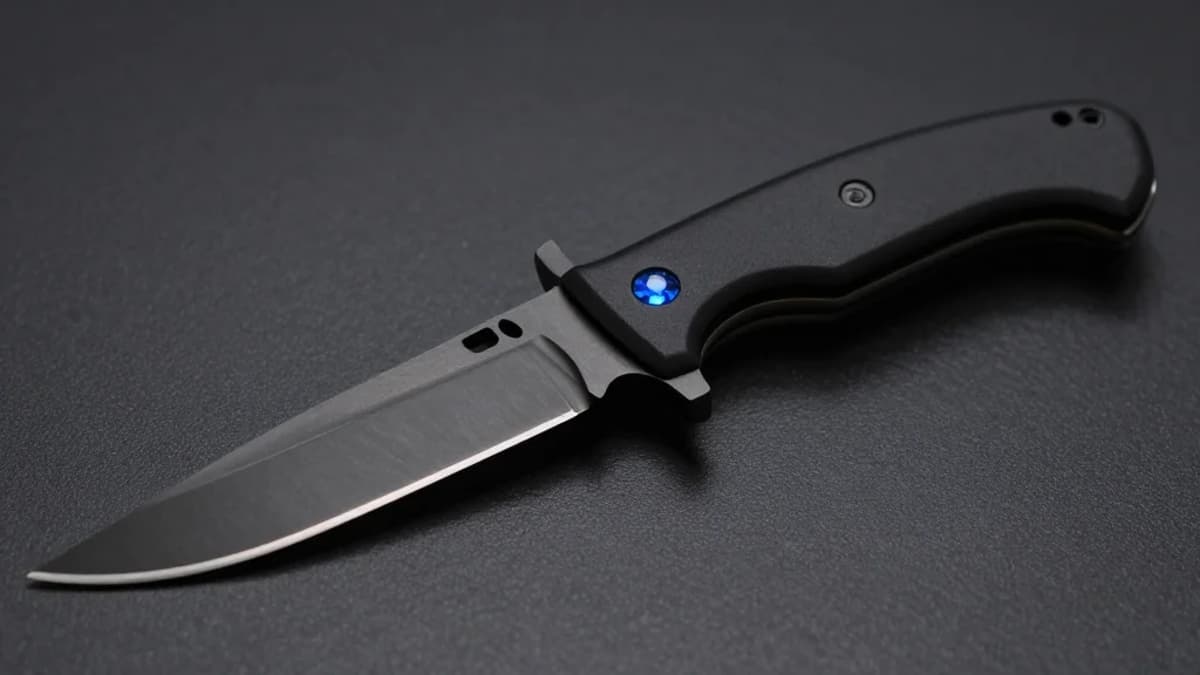
Karambit Case Hardened Blue Gems: Patterns, Prices, and History
•March 5, 2026
0
Why It Matters
Blue Gem Karambits illustrate how digital scarcity drives extreme valuations, shaping the broader virtual‑goods market and influencing trader behavior across esports ecosystems.
Key Takeaways
- •Only <50 Blue Gem Karambits exist, S‑Tier #387 unique.
- •Pattern #387 can fetch $1.5‑$2 million, never sold at that price.
- •Unboxing odds for FN #387 approx 1 in 131 million.
- •Float influences wear, not blue coverage percentage.
- •Secondary market remains only realistic acquisition method.
Pulse Analysis
The emergence of the Karambit Case Hardened in 2013 marked the birth of weapon skins as tradable assets in Counter‑Strike. Over time, the community’s obsession with pattern seeds turned a cosmetic item into a high‑stakes collectible, especially when the Case Hardened finish produced a blade awash in blue. This visual rarity, combined with the limited supply of under‑50 Blue Gem knives, has created a niche market where pattern #387 is treated as a digital masterpiece, akin to a rare baseball card or a limited‑edition sneaker.
Economic dynamics around Blue Gem Karambits reveal classic supply‑demand mechanics amplified by blockchain‑like provenance. Prices surge with each tier upgrade, and a sub‑0.01 float can add a 20‑40% premium, reflecting buyer willingness to pay for pristine condition. The 2025 Trade‑Up system introduced new knife supply, briefly depressing overall knife prices, yet the top‑tier Blue Gems have retained their value, underscoring the resilience of perceived rarity. High‑profile offers—such as the €1.2 million Bitcoin deal mediated by ohnePixel—serve as price anchors, even though no transaction has reached the theoretical $2 million ceiling.
Looking ahead, the Karambit Case Hardened Blue Gem will continue to influence virtual‑goods valuation models. As esports platforms explore tokenization and NFT‑style ownership verification, the market for ultra‑rare skins could become more transparent, attracting institutional investors. However, the fundamental barrier remains the scarcity of verified Factory New copies; any new discovery would likely reshape price expectations dramatically. For traders, monitoring marketplace listings, float data, and community tier consensus will be essential to navigate this volatile yet lucrative segment of the CS2 economy.
Karambit Case Hardened Blue Gems: Patterns, prices, and history
0
Comments
Want to join the conversation?
Loading comments...