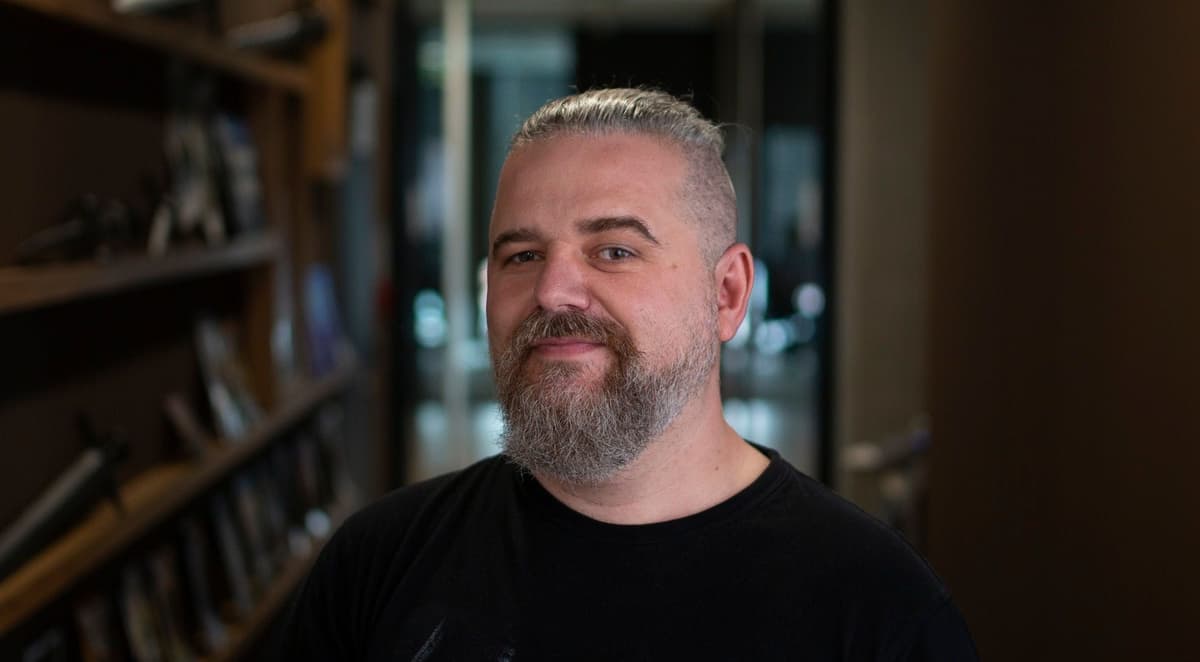
Kingdom Come: Deliverance Director Daniel Vávra Is Stepping Away From Game Development
•February 24, 2026
0
Why It Matters
The transition illustrates how successful game IPs are leveraging transmedia strategies to generate new revenue streams and deepen audience engagement, positioning Warhorse for broader market relevance.
Key Takeaways
- •Vávra shifts to transmedia director for Kingdom Come film.
- •Warhorse confirms draft script and production negotiations underway.
- •Kingdom Come 2 sold 5 million copies first year.
- •Original game reached 8 million sales, doubled studio size.
- •Film aims to complement successful RPG franchise.
Pulse Analysis
The appointment of Daniel Vávra as Warhorse's transmedia director reflects a growing industry trend where studios repurpose hit game franchises into film and television properties. By moving a creative mind known for narrative depth into the cinematic arena, Warhorse aims to preserve the series' storytelling DNA while tapping into the lucrative entertainment pipeline that has benefited titles like The Witcher and Cyberpunk 2077. This strategic pivot not only diversifies revenue but also reinforces brand loyalty among fans who crave immersive experiences across multiple formats.
Warhorse Studios has built a formidable reputation on the back of Kingdom Come: Deliverance's realistic RPG design and strong sales performance. The original title crossed eight million copies, prompting a staff expansion to over 250 employees and a 2019 acquisition by Embracer's Plaion division. Its sequel, Kingdom Come: Deliverance 2, continued the momentum with five million units sold in its debut year and critical acclaim for its gritty aesthetic. These milestones have cemented the studio as a heavyweight in the European development scene, giving it the financial and creative bandwidth to explore cross‑media ventures without jeopardizing its core gaming operations.
The forthcoming Kingdom Come film represents a calculated effort to translate the franchise's rich medieval narrative into a mainstream cinematic experience. If successful, the movie could open ancillary markets such as merchandising, streaming rights, and international distribution deals, amplifying the IP's profitability beyond the traditional game lifecycle. Moreover, a well‑executed adaptation may attract new audiences to the games, creating a virtuous loop of brand exposure. As studios worldwide seek to maximize the value of their intellectual property, Warhorse's transmedia experiment could serve as a blueprint for leveraging game success into broader entertainment ecosystems.
Kingdom Come: Deliverance director Daniel Vávra is stepping away from game development
0
Comments
Want to join the conversation?
Loading comments...