Companies Mentioned

Why It Matters
Understanding the egg pricing and tier structure helps players optimize spending in Knockout’s virtual economy, while developers gain insight into effective micro‑transaction design for Roblox titles.
Key Takeaways
- •Eight egg types range from Tier 1 to Tier 4.
- •Prices start at 75 ice, max 1,850 ice.
- •Higher tiers yield rarer, themed skins.
- •Eggs purchasable with ice or Robux.
- •Daily wheel offers 3% chance to win random egg.
Pulse Analysis
Roblox’s marketplace thrives on cosmetic micro‑transactions, and Knockout exemplifies how tiered loot boxes can drive player engagement. By converting earned "ice" into collectible skins, the game creates a loop where gameplay rewards fuel further personalization. This model mirrors broader trends in live‑service games, where virtual goods generate recurring revenue without altering core mechanics.
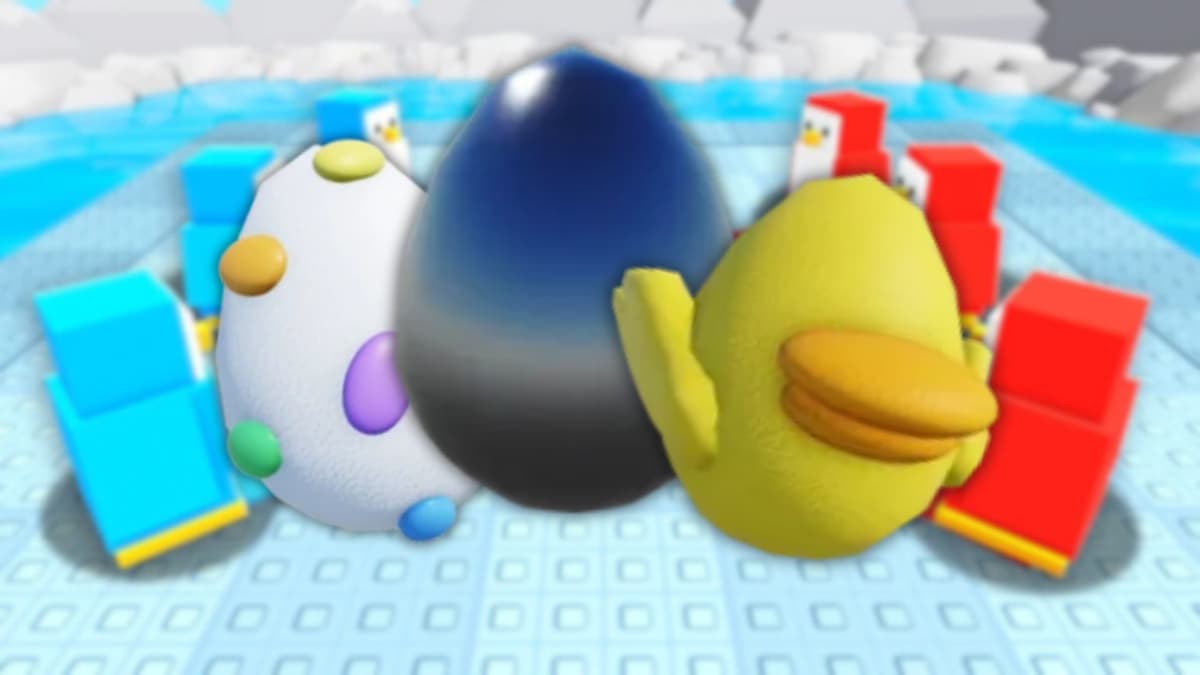
Knockout’s eight eggs are organized into four tiers, each with escalating ice costs and increasingly exclusive skin themes—from the entry‑level Colorful egg at 75 ice to the premium Dinosaur egg at 1,850 ice. The tiered pricing incentivizes players to save or purchase additional ice, while the option to spend Robux provides a direct cash‑to‑cosmetic pathway. The 3% daily‑wheel chance adds a stochastic element, encouraging repeat logins and fostering a sense of anticipation around rare drops.
For both players and developers, the Knockout system highlights the balance between accessibility and exclusivity. Savvy gamers can plan purchases around limited‑time releases, such as seasonal Valentine eggs, to maximize value. Meanwhile, developers can leverage similar tiered structures to test price elasticity and refine reward pacing. As virtual economies mature, transparent tier information—like the detailed guide offered here—will become a key factor in sustaining player trust and long‑term monetization success.
Knockout eggs guide
0
Comments
Want to join the conversation?
Loading comments...