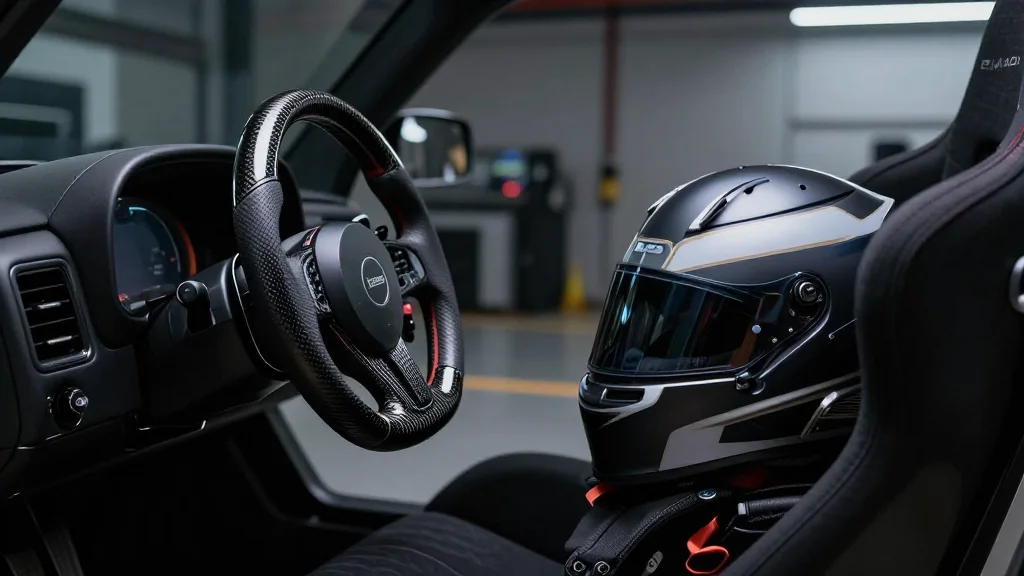
Kyle Busch Unresponsive in Racing Simulator Before Death, Shocking NASCAR Community

Why It Matters
Busch’s death underscores the thin line between competitive gaming and physical health risks, especially for athletes who rely on simulators for training. As racing simulators become more realistic, manufacturers may need to integrate medical oversight, potentially reshaping product design and liability standards across the gaming industry. The incident also highlights how professional sports organizations must balance performance technology with athlete safety, a conversation that could extend to other e‑sports and VR platforms. Beyond NASCAR, the event may influence how leagues and teams adopt immersive training tools, prompting stricter health screening protocols and real‑time monitoring to prevent similar tragedies. The ripple effect could accelerate investment in health‑focused gaming peripherals, creating a new niche at the intersection of sports medicine and interactive entertainment.
Key Takeaways
- •Kyle Busch became unresponsive while testing a Chevrolet racing simulator on May 20, 2026.
- •He was hospitalized in Charlotte and died the following day at age 41.
- •Family statement cited a “severe illness” but no official cause of death has been released.
- •Busch had been dealing with a sinus infection and cough for weeks prior to the incident.
- •The tragedy raises safety and health‑monitoring concerns for high‑intensity gaming rigs.
Pulse Analysis
Kyle Busch’s untimely death is likely to become a watershed moment for the convergence of professional motorsports and gaming technology. Historically, simulators have been treated as low‑risk training tools, but the physical stresses they impose—especially on drivers with underlying health issues—are now being scrutinized. If manufacturers respond with built‑in biometric sensors, we could see a new class of “health‑aware” simulators that feed real‑time data to medical staff, mirroring trends in wearable tech for athletes.
From a market perspective, the incident may accelerate demand for safety‑first hardware, prompting companies like Logitech, Fanatec, and even console makers to differentiate their products with health‑monitoring features. This could open revenue streams for partnerships with sports medicine firms, while also raising the bar for regulatory compliance in e‑sports training environments. Competitors that quickly adopt such standards may gain a reputational edge, especially as leagues and teams look to protect their talent.
Looking ahead, the broader gaming community will watch how NASCAR and its partners address the fallout. Transparent investigations and clear guidelines could set industry precedents, influencing everything from virtual reality fitness apps to high‑performance flight simulators. The balance between immersive realism and player safety will likely become a central narrative in the next wave of gaming innovation.
Kyle Busch Unresponsive in Racing Simulator Before Death, Shocking NASCAR Community
Comments
Want to join the conversation?
Loading comments...