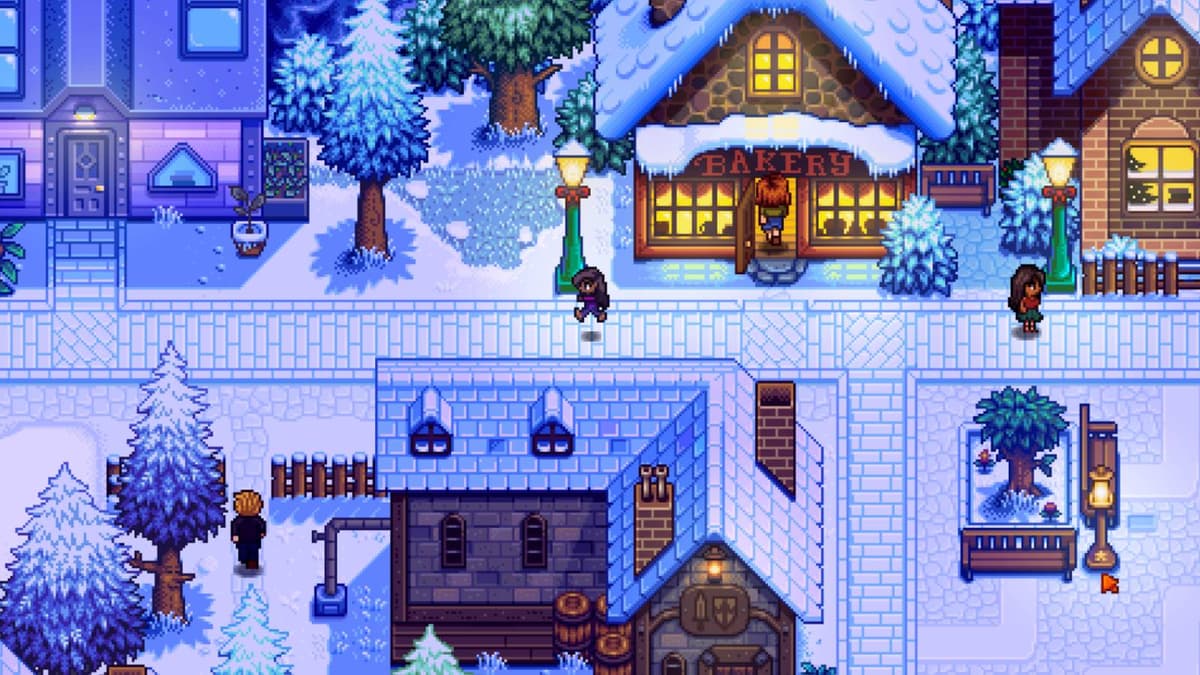
Let Stardew Valley’s Creator Take as Long as He Needs to Finish Haunted Chocolatier
•March 2, 2026
0
Why It Matters
Barone’s stance highlights the tension between indie developers’ creative timelines and fan expectations, influencing how the industry balances transparency with sustainable development. It also underscores the value of free, ongoing support for a low‑cost title in a market dominated by expensive DLC ecosystems.
Key Takeaways
- •Barone admits early announcement was premature.
- •Haunted Chocolatier remains development with no set release date.
- •One‑man studio continues free Stardew Valley updates.
- •Game pricing contrasts sharply with AAA and Nintendo titles.
- •Fans urged to respect developer’s timeline.
Pulse Analysis
The indie development landscape is increasingly fraught with pressure to announce and ship titles quickly, a trend Barone openly pushes back against. By publicly admitting that the early reveal of Haunted Chocolatier was premature, he signals a shift toward prioritizing product quality over hype cycles. This candid communication resonates with a growing segment of gamers who value polished experiences, even if it means waiting longer, and it challenges the industry norm of aggressive marketing timelines.
Barone’s business model stands out in an era where major publishers monetize through costly DLC and season passes. Stardew Valley, priced around $15, receives regular, free content updates—a stark contrast to titles like Pokémon Pokopia or The Sims 4, which can exceed $1,600 for full content. This approach not only builds lasting goodwill but also demonstrates a sustainable revenue strategy that relies on initial sales and community loyalty rather than continual monetization, reinforcing the viability of low‑price, high‑value indie games.
For the broader cozy‑game market, Barone’s request for patience may set a precedent that encourages developers to allocate sufficient time for refinement without fearing backlash. As players increasingly recognize the long‑term benefits of well‑crafted experiences, the industry could see a shift toward more realistic release windows and reduced reliance on rushed launches. Ultimately, respecting developers’ timelines can foster higher quality releases, strengthen brand reputation, and sustain consumer trust in an increasingly crowded gaming ecosystem.
Let Stardew Valley’s creator take as long as he needs to finish Haunted Chocolatier
0
Comments
Want to join the conversation?
Loading comments...