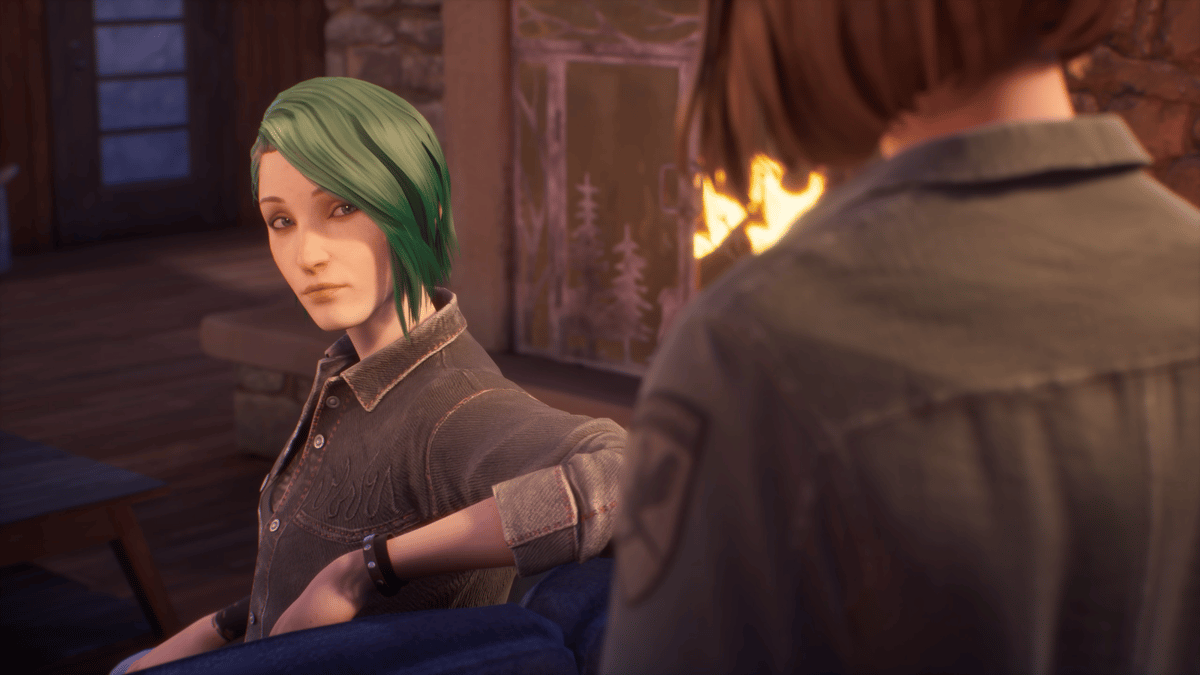
Life Is Strange Reunion Is More of a Double Exposure Sequel than I Expected
•February 24, 2026
0
Why It Matters
Reunion illustrates the high stakes of reviving beloved narrative adventures, where fan expectations and design shortcuts can directly affect brand credibility and future franchise investments.
Key Takeaways
- •Deck Nine builds Reunion on Double Exposure assets.
- •Game reunites Max and Chloe regardless of original ending.
- •New dialogue minigames add interactive depth.
- •Writing includes dated slang, drawing criticism.
- •Fan service debate highlights franchise revival challenges.
Pulse Analysis
The Life is Strange franchise has long been a touchstone for emotionally driven, choice‑heavy gaming, with its 2015 debut setting a benchmark for narrative depth. A decade later, Deck Nine’s Reunion attempts to close the lingering emotional loop left by Max’s impossible decision, offering a canonical reunion that sidesteps the original branching outcomes. By anchoring the sequel in the familiar streets of Arcadia Bay and reusing environments from Double Exposure, the studio accelerates development while preserving visual continuity, a tactic increasingly common among mid‑tier publishers seeking to capitalize on established IPs without massive budgets.
Beyond visual reuse, Reunion introduces fresh mechanics that expand the series’ dialogue system. Players now navigate a cover‑story minigame when Chloe infiltrates campus security and directly shape the tension between the protagonists through dual‑character response choices. These additions provide a more interactive narrative layer, aiming to keep long‑time fans engaged. However, the script’s reliance on outdated slang—such as “sexy ex‑y” and “splooge”—has sparked backlash, suggesting that a focus on fan service can undermine the authenticity that originally defined the series. The mixed reception underscores the delicate balance between nostalgia and innovation.
From an industry perspective, Reunion serves as a case study in how legacy franchises can be resurrected in a crowded market. Asset recycling offers cost efficiencies, but it also risks perceived laziness if not paired with compelling new content. Moreover, the debate over fan‑centric storytelling highlights a broader trend: developers must respect player agency while delivering fresh, resonant narratives. If Deck Nine can refine its writing and leverage its gameplay innovations, Reunion could reaffirm the commercial viability of narrative adventure sequels, influencing how other studios approach beloved IP revivals.
Life is Strange Reunion is more of a Double Exposure sequel than I expected
0
Comments
Want to join the conversation?
Loading comments...