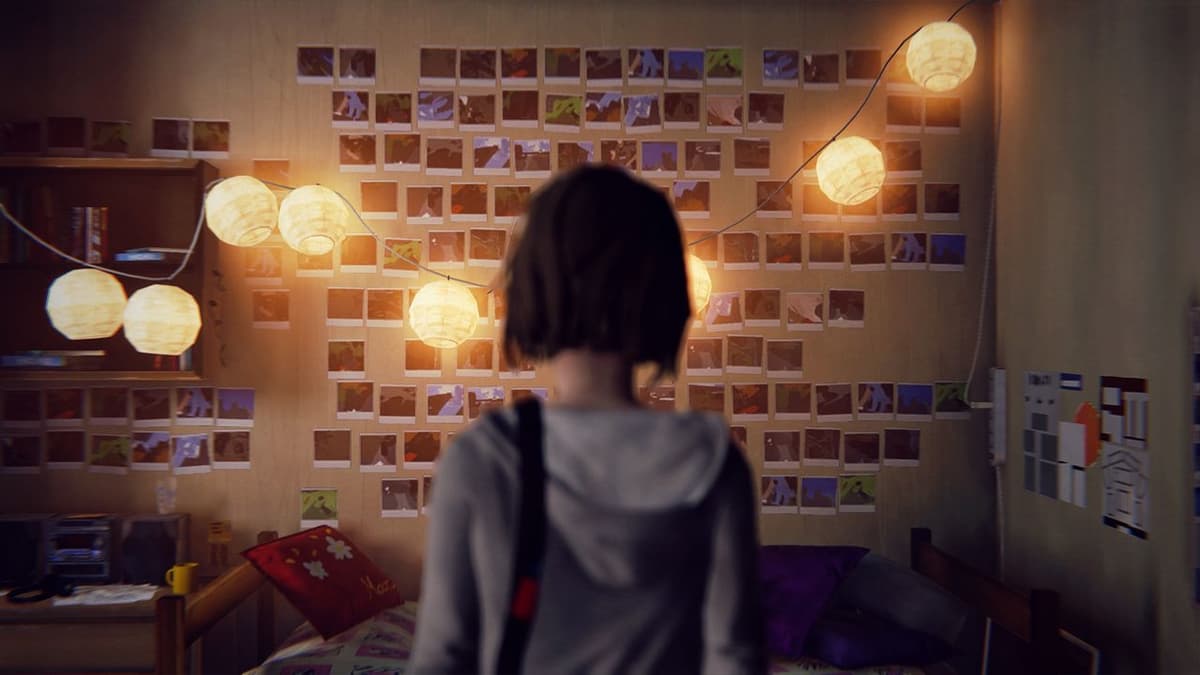
Life Is Strange's Soundtrack Is Full of Licensed Bangers, and Still Hits Even 11 Years Later
Why It Matters
The soundtrack demonstrates how strategic licensing can deepen player immersion and drive a game’s cultural longevity, influencing how developers approach audio storytelling. It signals a shift toward treating music as a core narrative pillar, not just ambience.
Key Takeaways
- •Life is Strange (2015) uses licensed tracks to drive narrative emotion
- •Soundtrack includes indie rock like Foals' “Spanish Sahara” and Girl in Red
- •Telltale’s episodic model treats music like TV show episode cues
- •Deck Nine revived “Spanish Sahara” for the 2024 Reunion finale
- •Licensed music now serves storytelling, not just immersion, in modern games
Pulse Analysis
The early 2000s saw licensed music in video games largely as a flavor‑enhancing layer—think radio stations in Grand Theft Auto or rhythm titles like Guitar Hero. As episodic storytelling gained traction, developers began to treat each installment like a television episode, using songs to underscore plot twists and character arcs. This shift redefined the role of music from background ambience to a narrative catalyst, prompting studios to negotiate more complex licensing deals and allocate larger budgets for soundtrack curation.
Life is Strange exemplifies this evolution. Dontnod’s 2015 debut weaves indie‑rock and alternative tracks into its teenage‑drama narrative, selecting songs that echo the protagonist’s emotional state. The climactic use of Foals’ “Spanish Sahara” anchors the game’s bittersweet ending, while moments like Girl in Red’s “I’ll Die Anyway” in the Reunion sequel reinforce continuity. By aligning music with specific plot beats, the game creates a resonant, almost cinematic experience that rivals TV dramas in its emotional payoff.
The industry impact is measurable. Successful soundtrack integration drives streaming spikes, merchandise sales, and cross‑media promotion, turning songs into ancillary revenue streams. Moreover, the precedent set by Life is Strange encourages newer studios to prioritize music licensing early in development, recognizing its potential to boost player engagement and extend a title’s cultural relevance. As streaming platforms simplify rights clearance, we can expect even tighter synergy between game narratives and popular music, cementing licensed tracks as a staple of immersive storytelling.
Life is Strange's soundtrack is full of licensed bangers, and still hits even 11 years later
Comments
Want to join the conversation?
Loading comments...