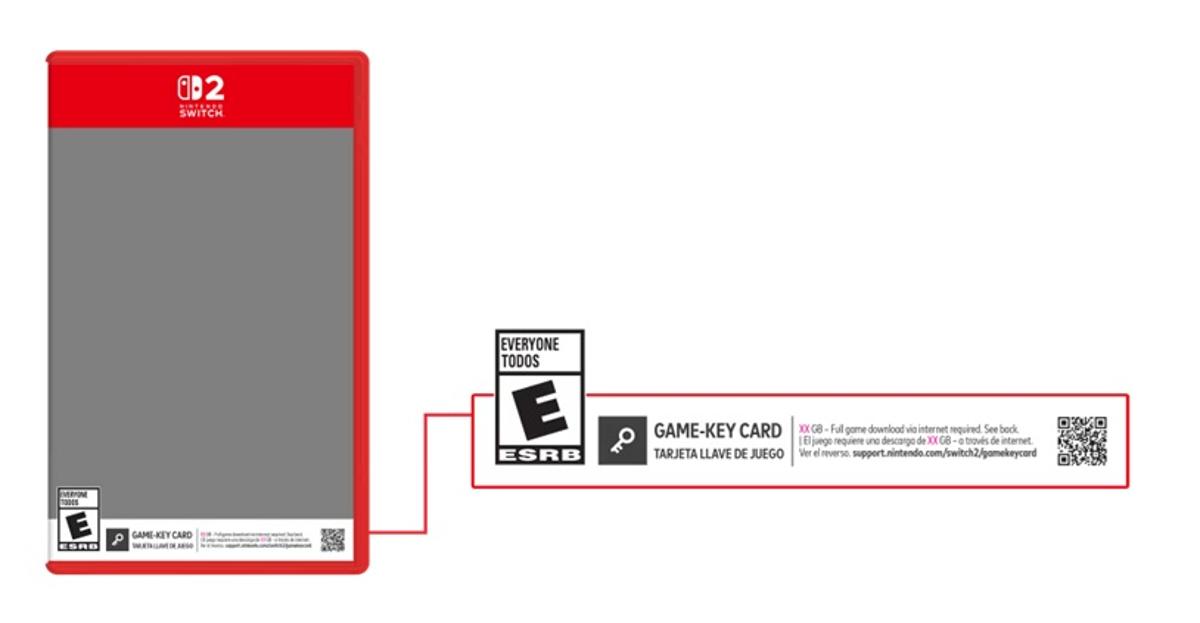
List of All Nintendo Switch 2 Games with a Game-Key Card Release
•February 24, 2026
0
Why It Matters
Game‑key cards could reshape the console physical‑media landscape, affecting retailer inventory, resale markets, and consumer ownership models.
Key Takeaways
- •Hybrid cards need download, then offline play.
- •Physical cartridge enables resale, unlike download codes.
- •Over 50 titles released as game‑key cards.
- •Some regions still digital‑only despite card format.
- •Mixed consumer reaction to hybrid physical media.
Pulse Analysis
Nintendo’s decision to launch game‑key cards for Switch 2 reflects a broader industry trend toward hybrid distribution models. By embedding a cartridge that holds only a download code, Nintendo reduces manufacturing complexity and material costs while preserving a tangible product that satisfies collectors and casual buyers alike. This format also sidesteps the logistical challenges of shipping large ROM‑filled cartridges, enabling faster rollout of new titles and updates. For gamers, the requirement to download the game once before offline play adds a minor friction point, but the ability to insert the card for each session mimics the familiar console experience.
From a market perspective, the game‑key card strategy could revitalize physical retail shelves that have struggled with pure digital sales. Retailers can stock lightweight cards, lowering shipping expenses and shelf space, while still offering a product that can be resold or gifted—capabilities absent from traditional code‑in‑box releases. Publishers benefit from reduced production overhead and the potential to reach audiences that prefer a physical artifact without the cost of full‑cartridge production. However, consumer sentiment remains split; some players appreciate the resale option, while others view the download prerequisite as a step back from true cartridge ownership.
Looking ahead, the success of Nintendo’s hybrid cards will hinge on adoption rates across regions and the depth of title support. If major franchises continue to launch on game‑key cards and third‑party developers embrace the format, it could become a new standard for next‑gen consoles. Conversely, pushback from purists and potential technical issues—such as mandatory online verification for initial downloads—may limit appeal. Stakeholders should monitor inventory turnover, resale market activity, and any shifts in Nintendo’s physical‑media policy as indicators of the model’s long‑term viability.
List of all Nintendo Switch 2 games with a game-key card release
0
Comments
Want to join the conversation?
Loading comments...