Listen to the New Steam Controller Buzz to the Tune of Doom
Companies Mentioned

Valve
GitHub
Why It Matters
The discovery turns a standard gamepad into a low‑cost sound device, expanding interactive possibilities and showcasing the power of community‑driven innovation. It also signals a potential new revenue stream for Valve if official customization tools are introduced.
Key Takeaways
- •Steam Controller’s haptic motors can vibrate at audio frequencies
- •Steam Haptics Singer converts MIDI files into controller vibrations
- •Valve has no official sound‑customization SDK yet
- •Users can program songs like Doom on the controller
- •Hints of future SDK could unlock broader immersive input
Pulse Analysis
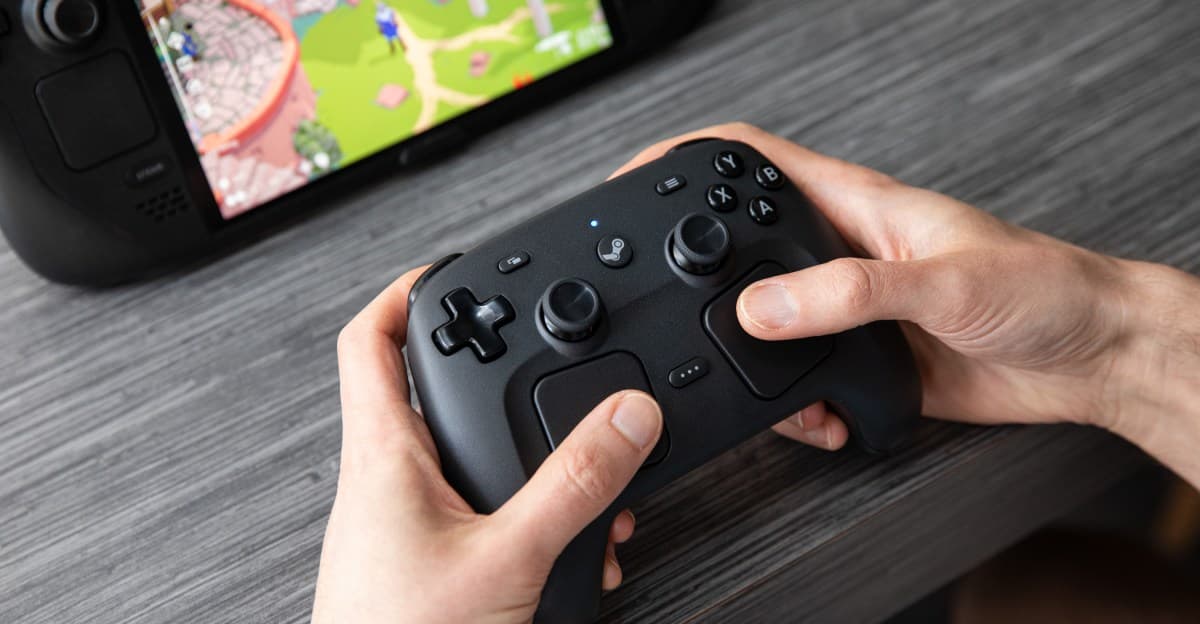
Valve’s latest Steam Controller pushes the boundaries of haptic feedback by using its trackpad motors as a makeshift speaker. While the original controller was praised for its tactile precision, the second‑generation model adds a quirky yet technically impressive ability: reproducing musical notes through vibration. This capability stems from the motors’ capacity to oscillate at specific frequencies, effectively turning a gamepad into a low‑fidelity audio output device.
The breakthrough is largely community‑driven. An open‑source project named Steam Haptics Singer, hosted on GitHub, lets Windows and Linux users feed MIDI files into the controller, translating note data into vibration patterns. Early adopters have demonstrated the tool with iconic tracks such as Super Mario’s ground theme, Portal’s "Still Alive," and the heavy‑metal riff of Doom. Valve’s own stance remains hands‑off; the company has not released an official sound‑customization SDK, though it acknowledges possible future support if user demand grows. This mirrors Valve’s previous response to user‑generated boot videos on the Steam Deck, which later became an official feature.
From a business perspective, the hack highlights a latent market for customizable peripheral experiences. If Valve were to package an SDK or integrate native sound‑design tools, it could monetize a new ecosystem of developers and creators, similar to how custom themes and mods have driven engagement on Steam. Moreover, the ability to embed audio cues directly into a controller opens doors for immersive gameplay, accessibility solutions, and novel marketing collaborations, positioning the Steam Controller as more than a niche input device in an increasingly experience‑focused gaming landscape.
Listen to the new Steam Controller buzz to the tune of Doom
Comments
Want to join the conversation?
Loading comments...