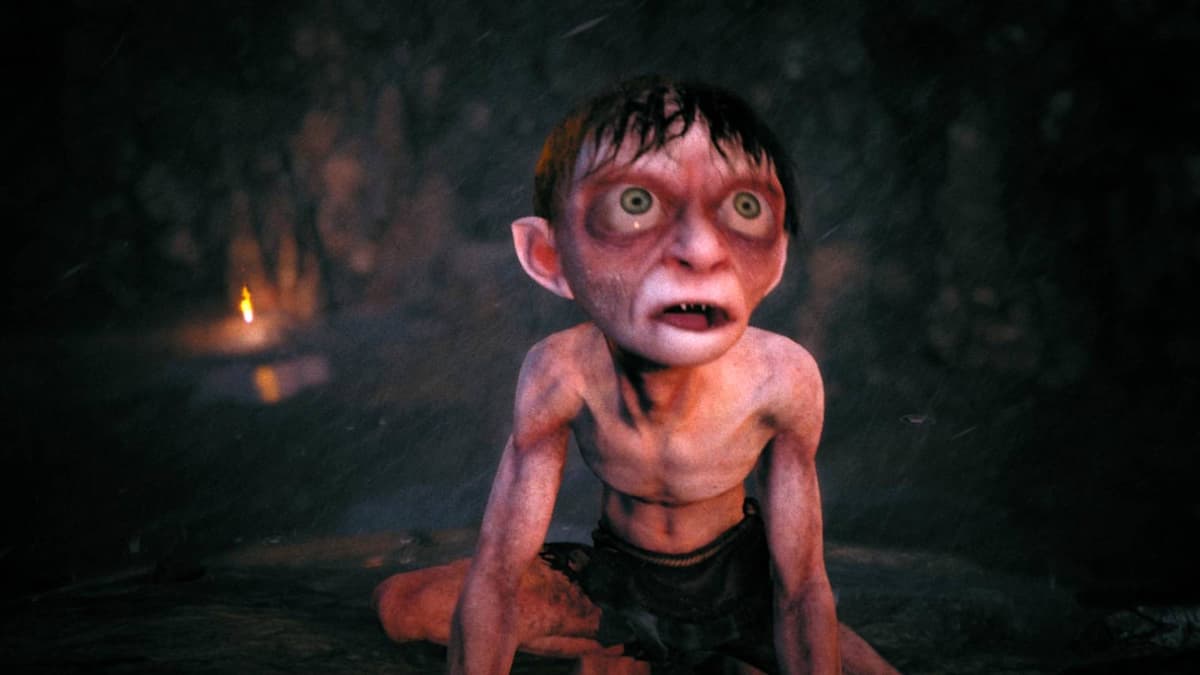
Lord of the Rings' 10-Year Streak of Terrible Games Might Finally Come to an End
Why It Matters
A successful LOTR RPG would restore confidence in licensed fantasy games and could unlock new revenue streams for both publishers and the Tolkien estate. It also signals that modern open‑world technology can finally do justice to iconic literary worlds.
Key Takeaways
- •Warhorse Studios announced an open‑world LOTR RPG, sparking industry buzz
- •Last LOTR title, Shadow of War (2017), faced grind and microtransaction woes
- •New game promises reactive world where attire influences NPC interactions
- •Decade‑long poor performance may finally end with studio’s fantasy expertise
- •Success could revive investor confidence in licensed fantasy game adaptations
Pulse Analysis
The Lord of the Rings video‑game franchise has long been a cautionary tale for publishers. Early attempts like *The Fellowship of the Ring* and *The Two Towers* stumbled on clunky mechanics, while later releases such as *Gollum* and *The Battle for Middle‑earth* failed to capture the narrative depth fans expect. Even *Shadow of War*, praised for its innovative Nemesis System, was tainted by aggressive microtransactions, leaving a lingering perception that Tolkien’s world could not translate into a compelling interactive experience.
Warhorse Studios, known for the critically acclaimed *Kingdom Come: Deliverance*, announced an open‑world RPG that promises a living Middle‑earth where player choices, gear, and dialogue shape NPC behavior. Leveraging next‑gen graphics pipelines and a dynamic quest architecture, the game aims to deliver seamless region transitions and a truly reactive environment—features that were technically out of reach a decade ago. Early teasers highlight a nuanced attire system that alters character interactions, suggesting a deeper role‑playing layer that could set a new benchmark for licensed fantasy titles.
If the project meets its lofty ambitions, it could reshape investor sentiment toward high‑profile IP adaptations. A hit would demonstrate that mature, narrative‑driven open‑world games can thrive alongside battle‑royale and live‑service models, encouraging studios to revisit other dormant literary franchises. Moreover, a successful launch would likely increase licensing fees for the Tolkien estate, prompting a wave of renewed development interest and potentially revitalizing the broader fantasy‑gaming market.
Lord of the Rings' 10-year streak of terrible games might finally come to an end
Comments
Want to join the conversation?
Loading comments...